
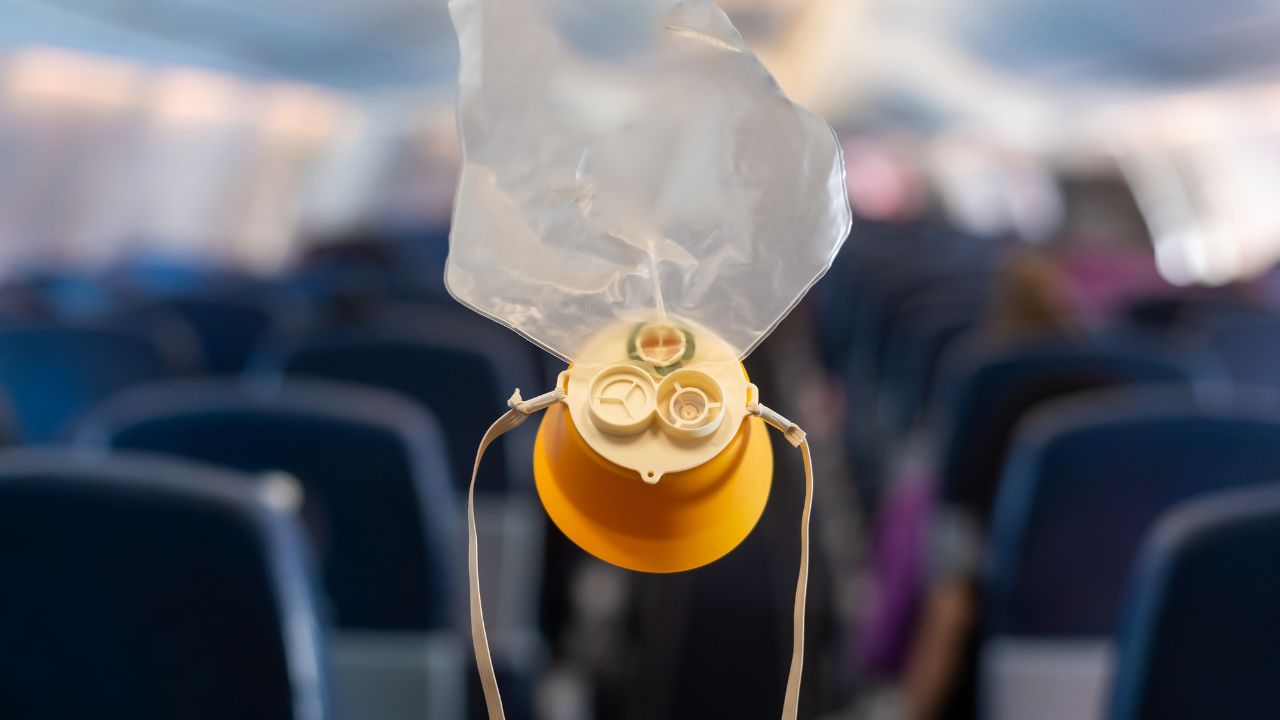
23 Things To Know About Turbulence While Flying From a Traveler Who’s Flown on Over 60 Flights in the Last 5 Years

Despite having flown since I was 2 years old – my first flight ever was from the East Coast of the United States to Singapore – I recently developed a fear of turbulence. After a very bumpy ride to Florida on the tail end of an electrical storm, my subsequent flights were filled with nerves, sweat, and sometimes tears (I’m not proud).
My brain knew that turbulence is a normal part of flying and isn’t usually dangerous, but apparently, my body didn’t.
Yet, I found myself frozen in my seat, unable to even concentrate on an audiobook for months after. My heart would race, and I’d start to panic at the slightest creak or roll. However, with a little bit of education, I was able to equip myself with knowledge for a smoother flight… or at least to help calm my nerves in the moment.
1: What is Turbulence?
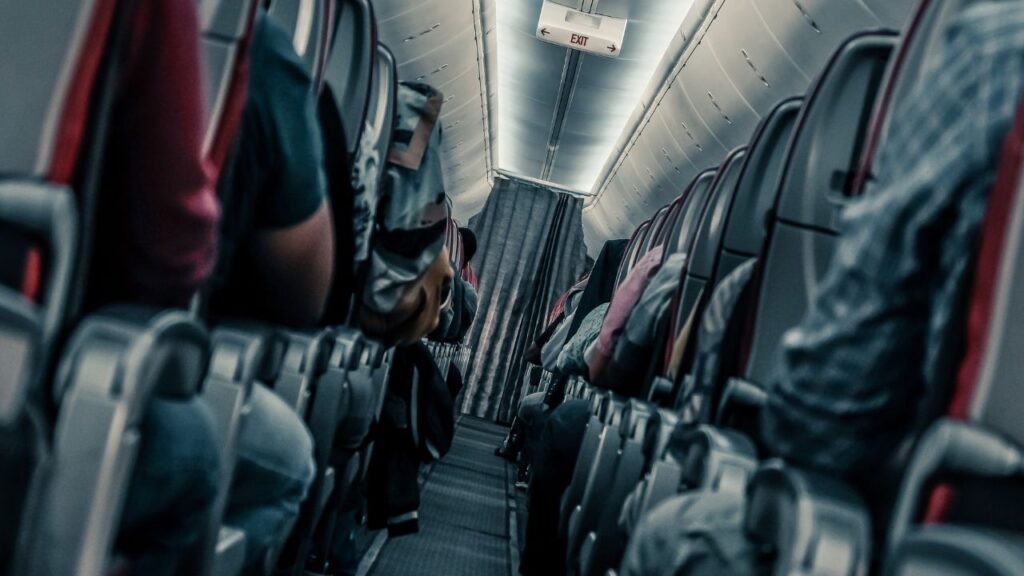
Turbulence is simply the irregular movement of air around your aircraft. It can be likened to ripples in a body of water or waves breaking on a reef. Air also has currents and varying density, which can affect the smoothness of your ride.
Turbulence is caused by a variety of factors, including weather patterns, temperature changes, jet streams, and even mountains and other structures. It’s a normal part of flying and it can range from barely noticeable to extreme.
2: The Danger of Turbulence

In nearly all cases, turbulence is not truly dangerous. Modern aircraft are designed to withstand severe turbulence, and plane wings are meant to flex with stress. Also, and most passengers are not aware of this, airplanes do not have two wings, but one that connects through the entire way through the fuselage, making it nearly impossible for it to break.
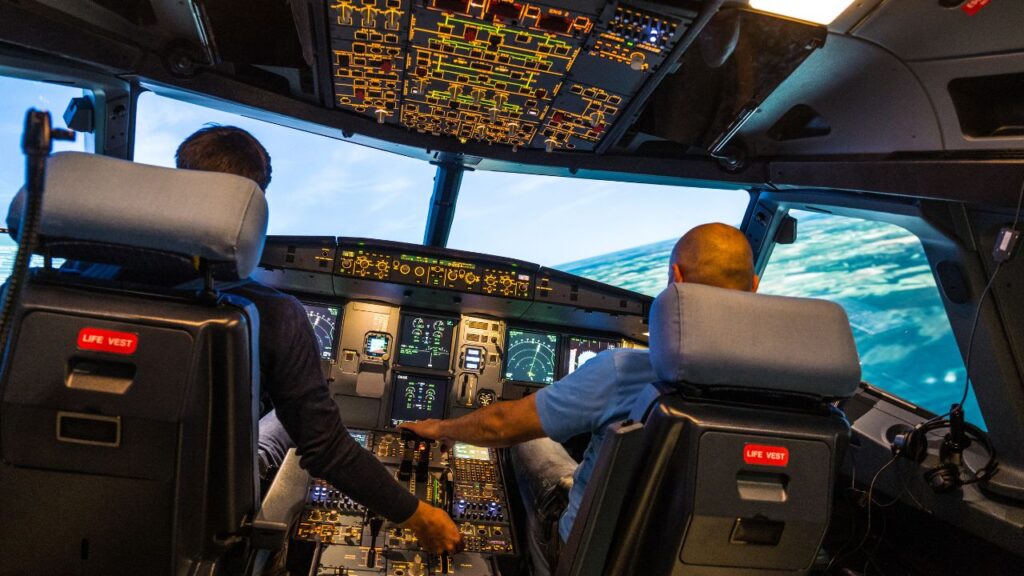
Pilots are highly trained to navigate through turbulence. Even before flying, pilot trainees endure flight simulator training meant to test how they respond to turbulent situations. If you’re experiencing turbulence on your flight, know that this isn’t your pilot’s first rodeo. In fact, they’ve flown more than 1,500 hours to become an airline pilot.
3: The Real Risk
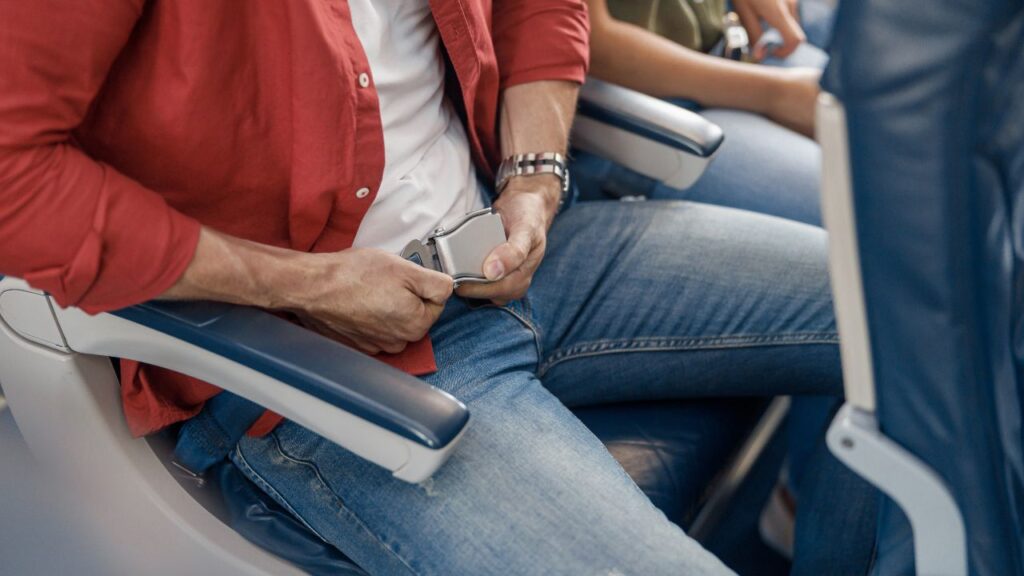
The real risk of turbulence lies in the possibility of injury if passengers aren’t wearing seatbelts. Loose objects can become projectiles, food can be spilled, and unbuckled passengers can be tossed from their seats.
This is why, during the safety demonstration, flight attendants ask passengers to keep their seatbelts fastened when they’re not moving around the cabin. Seatbelts must be worn during takeoff, landing, during turbulence, when the seatbelt sign is on, and any time a flight crew member asks you to wear it.
4: Strength of Turbulence
There’s a scale of turbulence too. Light turbulence causes a bit of strain against your seat belt and does not make walking around the cabin too difficult. The flight crew can continue food service, though the captain may turn on the “fasten seatbelt” sign.
Moderate turbulence causes a noticeable strain against your seat belt. Items in the overhead bins will shift or dislodge and walking will be difficult. Flight attendants will be asked to take their seats.
Severe turbulence is stronger than gravity and can cause serious injuries by throwing passengers around the cabin or pinning them to their seats. Severe turbulence can break bones or cause serious injuries. In 2016, the Federal Aviation Administration reported 44 injuries caused by turbulence, though 932 million passengers flew on domestic flights in the same year.
Extreme turbulence means that the aircraft itself is violently tossed and is nearly impossible to control.
5: Chop
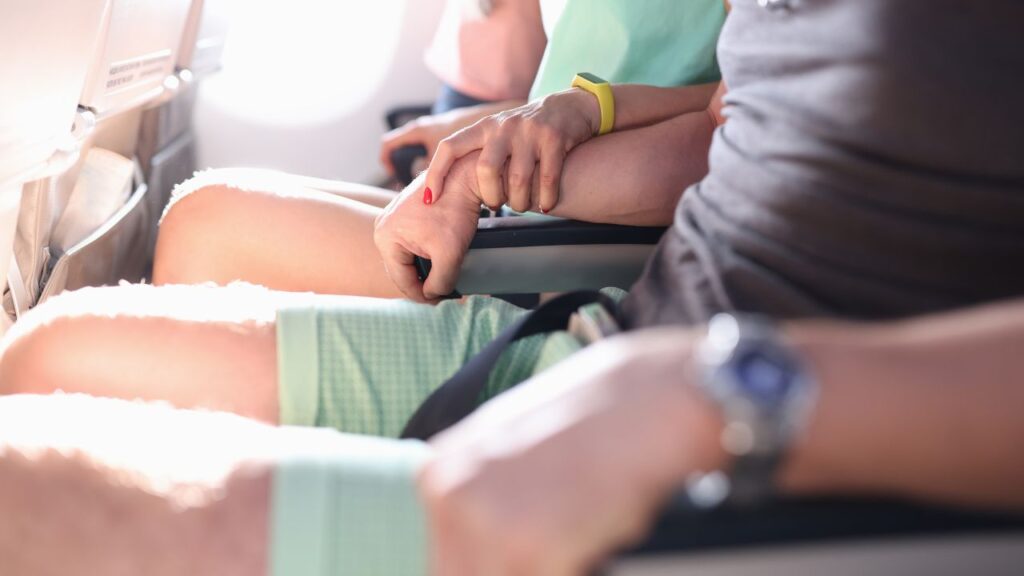
You might also hear the pilot say that the aircraft is experiencing “chop,” often also described as light or moderate. Chop is rapid and rhythmic bumpiness. It won’t cause any discernible changes in altitude for passengers.
More often than not, it’s just annoying. Chop doesn’t cause attitude to change, meaning the pitch, roll, or yaw of the airplane. Experiencing chop means that you’ll have a bit of a bumpy ride, but probably won’t be dealing with too much discomfort.
6: Clear-Air Turbulence
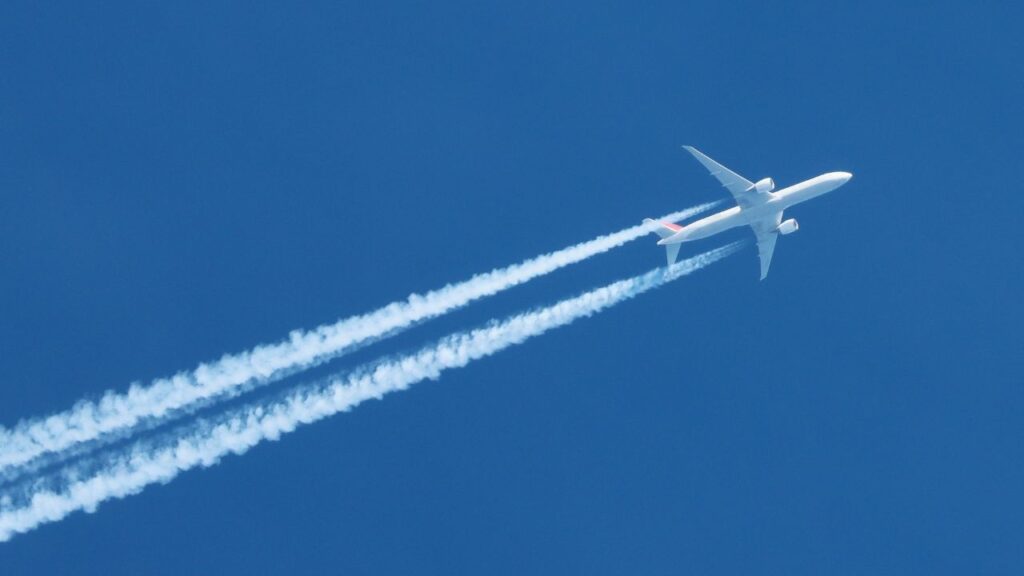
There are three main types of turbulence: clear-air, convective, and mechanical. Clear-air turbulence is caused by changes in wind speed and air currents between 20,000 and 49,000 feet. It occurs in clear skies and is typically unpredictable.
This is the type of turbulence that Singapore Airlines flight SQ321 tragically endured and despite making headlines, is not common. According to CNN, about 5,500 aircraft in the U.S. experience severe turbulence every year, compared to 65,000 aircraft that experience moderate turbulence.
7: Mechanical Turbulence
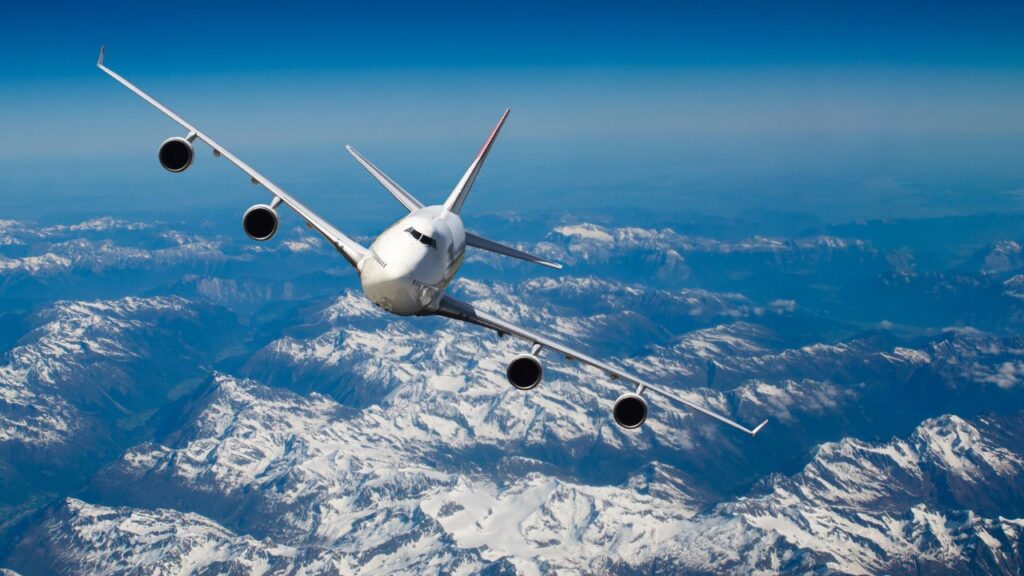
Mechanical turbulence happens when air moves over irregular surfaces, like a mountain range. You may notice that you nearly always experience turbulence when landing at an airport surrounded by mountains, like Denver (DEN), which has been rated number two on the list of North American airports with the highest average turbulence in 2023 by Turbli.
Human-made structures can also cause mechanical turbulence. The best part? You’ll fly out of it in no time.
8: Convective Turbulence
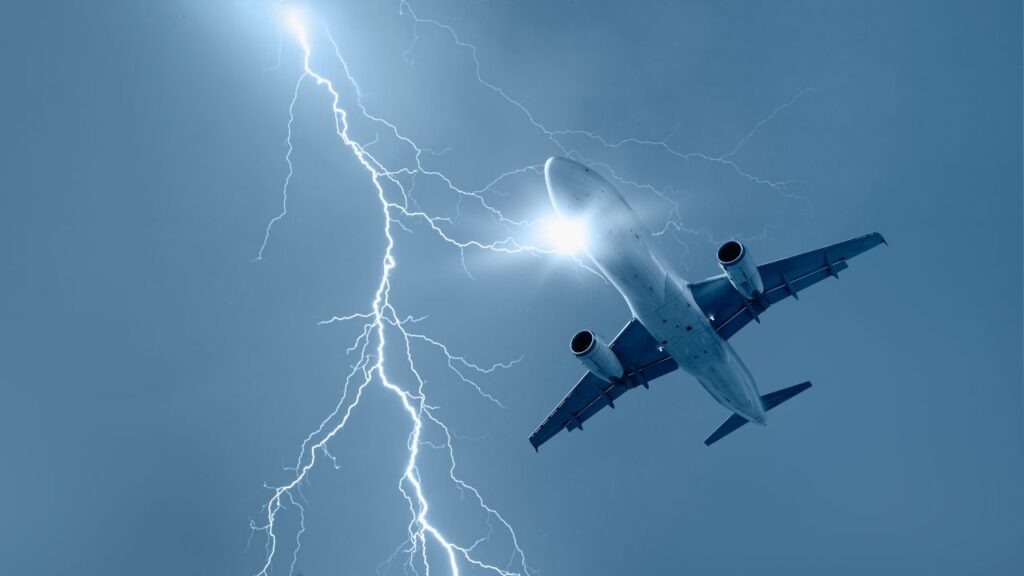
Also known as thermal turbulence, convective turbulence happens when a thunderstorm produces up and down drafts of air. Turbulence is absolutely expected with thunderstorms. Most of the time, thunderstorms are known and can be avoided.
A flight might experience bumps below the clouds but a smoother flight above. On takeoff, you might experience some rough air. But break through those clouds, and hopefully it will be smooth sailing… or flying.
9: Belts Are Your Best Friend
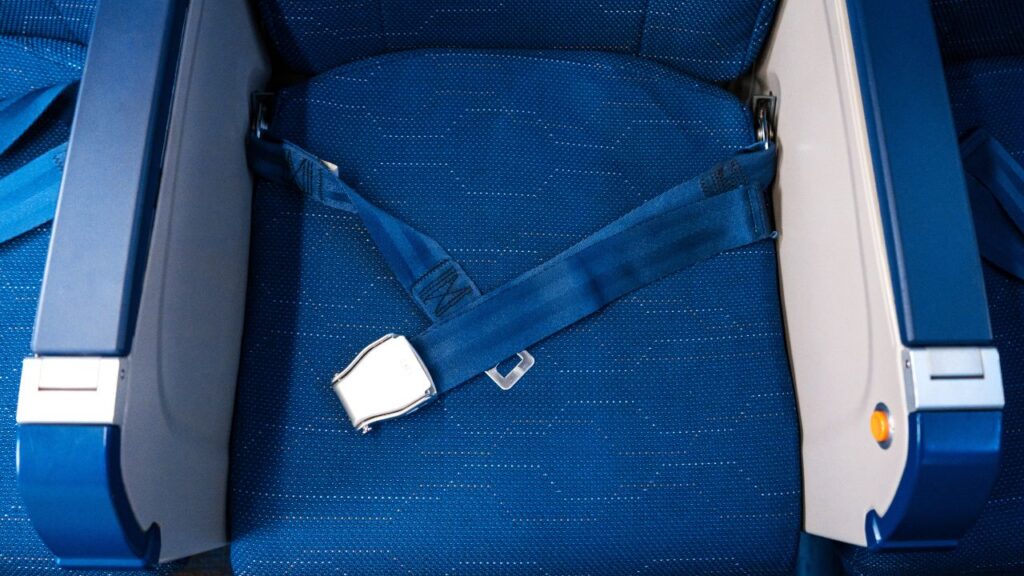
If you’re a nervous flyer and need a bit of control, this is how you can take it. The most important thing you can do to stay safe during turbulence is to keep your seat belt fastened whenever you’re seated. This will keep you securely in your seat, even if the plane experiences unexpected jolts.
If you’re sitting in a seat with a lap belt, fasten it low across your lap and tighten it so it’s a snug, comfortable fit. If the seatbelt does not fit you, ask the nearest flight attendant for an extender. Make sure that your seatbelt is visible to the flight attendants if you’re going to take a nap.
10: Turbulence Forecasting
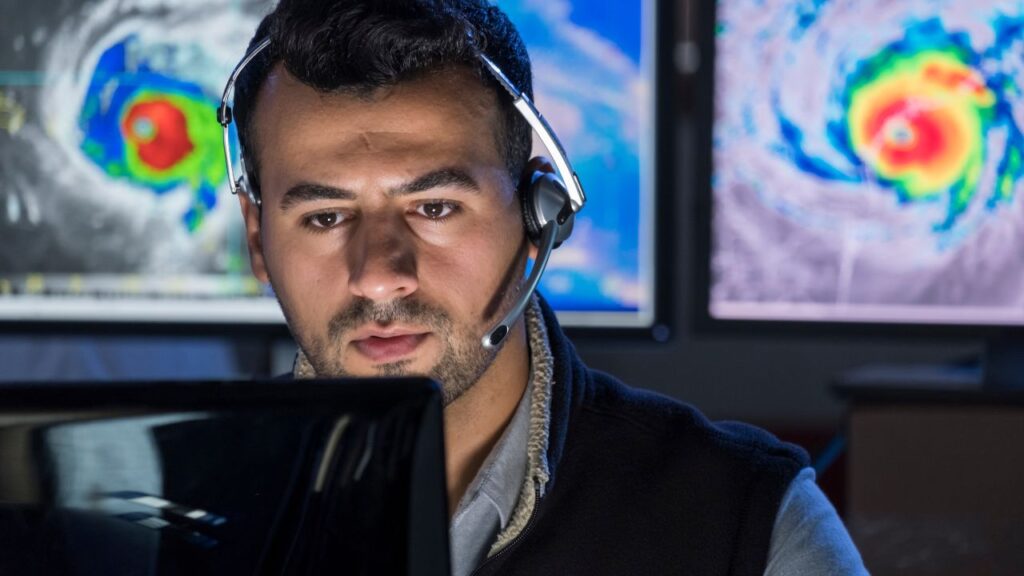
Airlines and pilots have access to sophisticated weather forecasting tools that help them predict areas of potential turbulence. This allows them to plan flight paths that minimize exposure to bumpy air. Before the flight even takes off, ground staff, such as meteorologists and dispatchers, assess the smoothest and safest route for a plane.
While pilots can’t always avoid turbulence entirely, they can often adjust their altitude or route to find smoother air. Other pilots flying ahead may give your pilot a heads-up as well. They’ll also communicate any anticipated turbulence to passengers so you can prepare.
11: Your Own Turbulence Forecasting

You also have tools at your fingertips to help minimize nerves. Try the app Flying Calmly, which pulls data from the National Oceanic and Atmospheric Administration to help passengers stay informed about potential turbulence levels during flight, including real-time in-flight sensor data.
You can also research your flight path and aircraft with the help of Turbli, a website dedicated to providing comprehensive information of all weather conditions that affect flight comfort, including turbulence, weather, thunderstorm, and runway forecasts, and more.
12: Communication Onboard

Pilots will typically announce when turbulence is expected or encountered. Listen carefully to these announcements and follow any instructions given by the crew. They might ask you to return to your seat, fasten your seatbelt, or stow any loose items. These instructions are for your safety and should be followed promptly.
Early in the flight, you can also let a nearby flight attendant know that you get nervous during turbulence. Flight attendants will appreciate the heads-up. The number one priority of the flight crew is to keep passengers safe and knowing that you have flight anxiety will help them keep you safe too.
13: Preparing for Turbulence
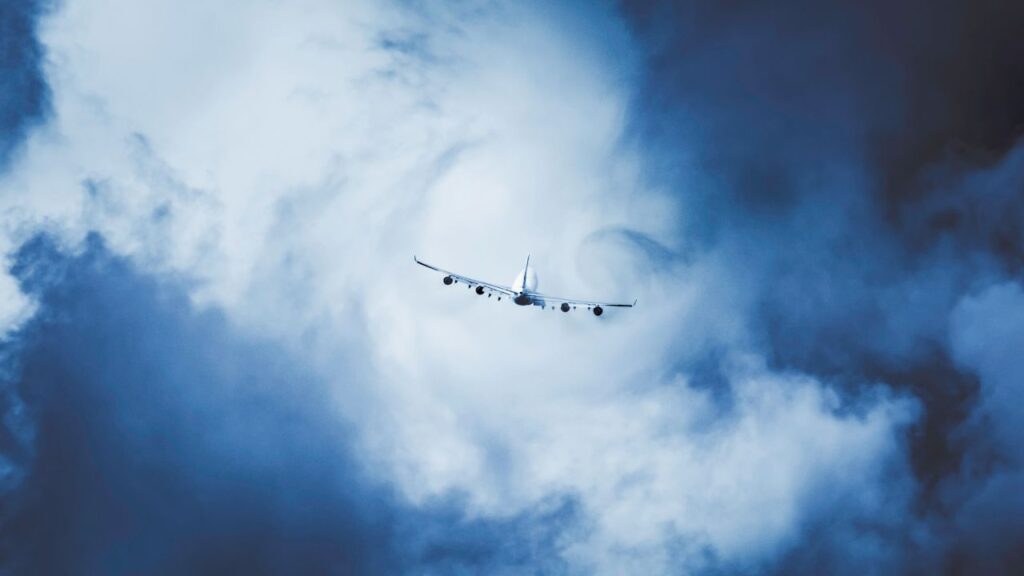
Planes do not crash because of turbulence. While extreme turbulence is harrowing and makes headlines and rightfully so, it’s important to remember that a plane may land after so that passengers can receive medical attention or be rerouted. According to NPR, there is no plane crash on record that was caused only by turbulence.
If your fear of flying is holding you back, seek other resources, like podcasts or a meditation practice specifically for flight anxiety. Many airlines also host online courses to help people conquer their fear of flying. You may want to speak with a professional counselor or therapist who can help you work through your fears and equip you with ways to cope.
14: Know the Jell-O Theory

The Jell-O Theory helps nervous flyers understand how planes are suspended in air. Think of a cup of Jell-O. Press a rock into the center of it. If you tap the rock up and down, it may jiggle, but ultimately stays buoyant.
This represents the pressure on all sides of the plane, keeping it in the air. Just like the rock will not fall to the bottom of the cup, the plane may rock from side to side, but it will not fall to the ground.
15: Stay Calm in the Moment

Turbulence can be unsettling, but it’s important to remain calm for yourself and the passengers around you. It’s a normal part of flying. Your pilots and flight crew are trained to handle it.
If you feel anxious, try taking deep breaths or listening to music. Focusing on something else can help distract you from the bumps and make the experience less stressful. Passengers also find comfort in looking at the flight attendants. If they’re calm, that’s a good indicator that the turbulence is normal.
16: Turbulent Flight Paths

Flight paths are carefully planned to minimize turbulence encounters. However, sometimes it’s unavoidable due to changing weather conditions or unexpected turbulence. Sometimes, pilots just don’t know if they’ll encounter turbulence or not.
A 2023 study ranked the 1,180-mile flight between Santiago, Chile, and Santa Cruz, Bolivia, as the most turbulent in the world, according to the eddy dissipation rate. Milan to Geneva was named the most turbulent route in Europe. No North American routes were named in the top ten.
17: Size and Time of Day
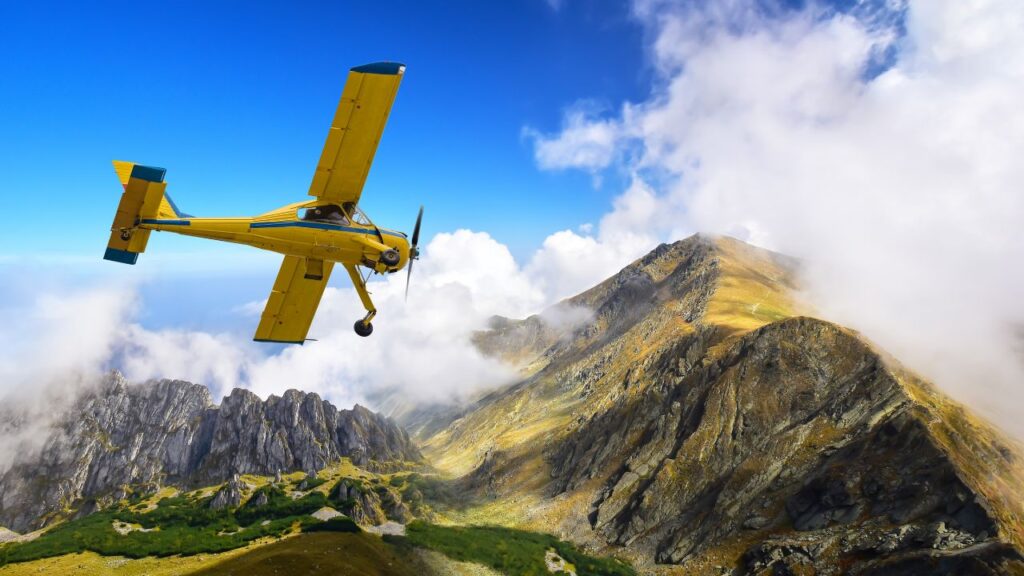
Smaller aircraft tend to be more affected by turbulence than larger ones due to their lower mass and wingspan. However, all modern aircraft are designed and tested to withstand significant turbulence.
Turbulence can occur at any time, but it’s slightly more common in the afternoon and evening. This is due to increased solar heating, which can lead to more convective activity and unstable air. If you want to avoid turbulence, a nighttime or morning flight might be your best choice. However, even afternoon flights are usually safe and comfortable, with only occasional turbulence.
18: Turbulence and Alcohol

Free drinks? No thanks. If you’re worried about turbulence, don’t consume alcoholic beverages before or during a flight. It can dehydrate you and make you more susceptible to motion sickness. It can also worsen anxiety and make turbulence feel more intense.
If you choose to drink alcohol on board, do so in moderation. Staying hydrated by drinking water and eating light snacks can help reduce the physical effects of turbulence on your body. Better yet, wait until your destination for that drink.
19: If You’re Motion Sick-Prone

If, like me, you easily get motion sick, consider these tips. Feeling hot often exacerbates feelings of motion sickness. Layer your clothing so that you can take off a jacket or sweater if needed, and if you start feeling unwell, open the overhead vent so that you can cool down. This is the easiest way to deal with motion sickness when you start to feel it.
When you can, book a window seat so your eyes can still find the horizon. It’s also helpful to choose a seat over the wings, where you may feel less movement than at the nose or tail. When you get motion sick, it’s likely because your brain needs an external reference to understand where you are in space. If you can see land or a line of clouds, that will help your eyes and brain make sense of equilibrium.
20: Before the Flight

Try to get a good night’s sleep before getting on the plane. Steer clear of alcohol before or on the flight, which can dial up your symptoms. In an effort to feel as healthy as possible before boarding, have a lighter meal and skip heavy or greasy foods. You may also want to limit your screen time while on the flight, so stock up on music, audiobooks, or printed reading materials.
Of course, there are plenty of medications and medical aids to help you deal with motion sickness. Over-the-counter medications that deal with air sickness or motion sickness may come in a drowsy or non-drowsy form, so make sure to completely read the label when choosing one. You’ll also find pressure point bands, lollipops, and plenty of other products that might help relieve your symptoms. Make sure to consult with your doctor on the right medication for your situation.
21: Motion Sickness Remedies

If you’re expecting turbulence, or even if you aren’t, there are a few things you can do in the moment to help ease motion sickness in the air. Keep a bottle of water, crackers, and mint gum or ginger candy in your personal item or carry-on luggage. Make sure that you have an airsickness bag in your seat pocket and if it hasn’t been replaced after the last flight, ask a member of the flight crew for a new one.
Dealing with motion sickness is miserable. If you’re really feeling bad, let the crew know, as they’ll be able to help with water, carbonated drinks, or cool compresses. The important thing to remember is that it usually subsides pretty quickly once the turbulence is over or you’re back on the ground.
22: Climate Change Is Linked

Global temperatures are increasing, which means that turbulence may become more common, too. Depending on greenhouse emissions, a study from the University of Reading in England predicted that clear-air turbulence in the Northern Hemisphere could triple in the next 30 to 60 years.
As the planet warms, more carbon dioxide is released. The jet stream will experience more wind shear, or unpredictable changes in wind speed and direction. More turbulence, however, does not mean that flying will be less safe.
23: Flying Is Still Safer

You’ve heard it before. Flying is safer than driving. Does that still hold up? And in those moments of turbulence and anxiety, is it helpful to remember?
In 2022, the International Civil Aviation Organization reported that the aviation industry saw almost a 10% decrease in accidents in just two years. Fatalities from aircraft accidents decreased by more than 65%. So, yes, flying is still the safest form of transportation.
15 “Polite” Things Passengers Do That Flight Attendants Secretly Hate
Flight attendants love polite and considerate passengers, but sometimes good intentions turn into less-than-ideal behaviors. If you want to be seen as an all-star passenger, make sure you avoid these in-flight habits.
15 “Polite” Things Passengers Do That Flight Attendants Secretly Hate
Traveling Without ATM Fees

How does never paying an ATM fee when you travel sound? Discover the trick to doing just that from a traveler who’s saved hundreds of dollars in ATM fees.
