
28 Foods Vermonters Swear Taste Different in Different States

Vermonters love to argue about food, but not all arguments are created equal.
Ask a Texan, a New Yorker, and a Californian about pizza, and you’ll get three different recipes and three death stares.
From sweet tea that could pass for syrup to bagels that allegedly depend on the water, here are the foods Vermonters swear taste completely different depending on the state you’re in.
Sweet Tea
Ask for sweet tea in the South, and you’ll get a glass so sugary it could power a small car. Order it in California, and you’ll probably get unsweetened tea with sugar packets on the side.
Southerners know the secret: dissolve the sugar while the tea’s still hot. That caramel-like sweetness can’t be replicated with cold stirring.
You’ll never convince a Georgian their sweet tea tastes the same anywhere else.
Bagels
New Yorkers will fight to the death over this one. They swear it’s the water.
NYC’s soft, low-mineral water gives bagels that shiny crust and chewy bite. Try the same recipe in Phoenix or Portland, and it just… doesn’t hit the same.
West Coast bakeries add honey or sourdough starters to compensate, but New Yorkers can taste the difference instantly.
They’ll tell you: “It’s not bad. It’s just not ours.”
Pizza
Every state has its version of “the best pizza.” None of them agree.
Chicago builds deep, buttery monuments. New York makes thin, foldable masterpieces. California adds goat cheese and arugula and calls it dinner.
Pizza may be universal, but it’s never identical.
Barbecue
Barbecue is a cultural identity for some parts of the U.S.
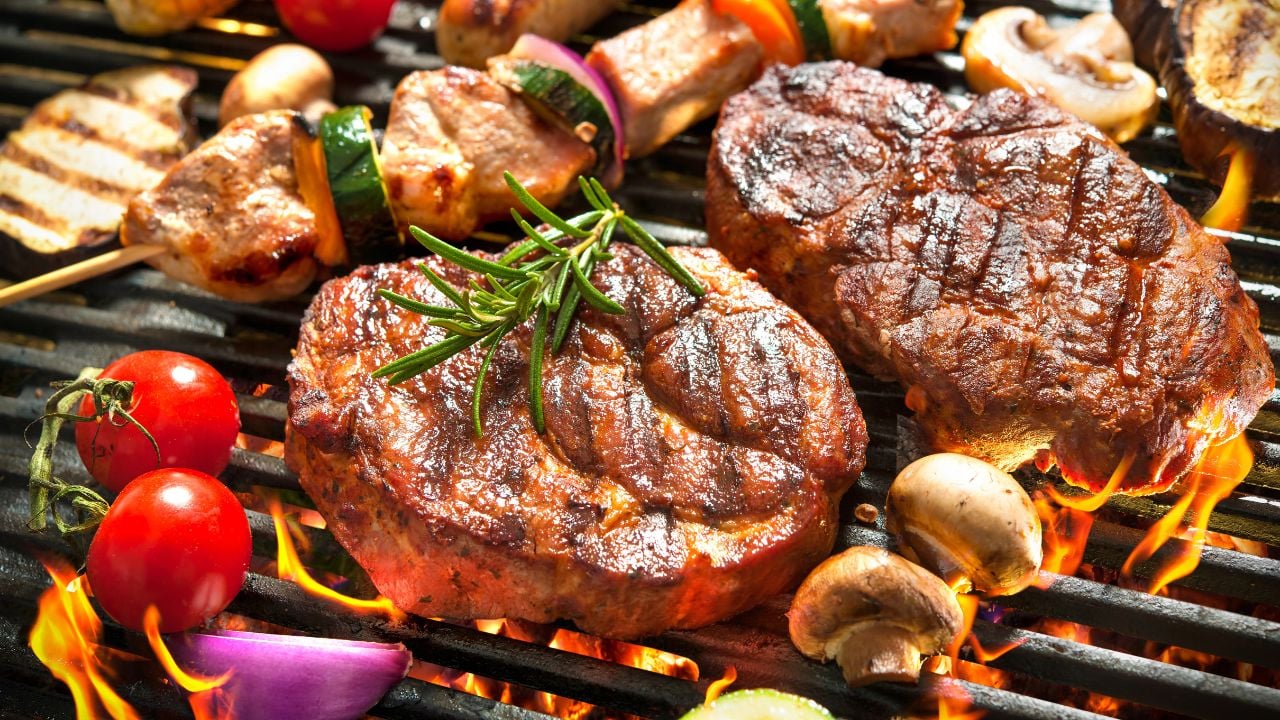
In North Carolina, it’s vinegar and smoke. In Texas, it’s dry rub and brisket. Memphis prefers sticky, sweet glaze. Kansas City goes all-in on molasses.
Ask which one’s best, and you’ll start a small war.
The same ribs could cross three state lines and pick up three different personalities.
Coca-Cola
There’s something about Coke in Georgia. Locals say it’s the freshest batch straight from the source.
Since Coca-Cola’s headquarters are in Atlanta, the syrup ratio and water treatment there might actually make it taste sharper.
Crack one open in Arizona, and it’ll taste flatter. In Georgia, it’s liquid gold. Some people swear you can even taste the pride.
Fried Chicken
Nashville brings the heat. Maryland keeps it classic. Louisiana dunks it in spice you’ll feel tomorrow.
Fried chicken tells the story of who’s cooking it and where. Cast-iron Southern style hits different from an oven-baked version up north.
Even chain restaurants tweak seasoning for local spice tolerance. That’s why a KFC drumstick can taste bold in Texas but bland in Maine.
Ice Cream
A scoop of vanilla in Vermont feels like dessert heaven. The same scoop in Arizona tastes… lighter.
That’s dairy terroir: cows, climate, and cream. The butterfat content varies by region, and local humidity changes the texture.
Ben & Jerry’s tastes richer because Vermont’s milk is denser and fresher.
Ice cream may be frozen, but its flavor definitely moves.
Hot Dogs
Hot dogs carry state pride like flags.
New York’s are snappy and simple. Chicago’s come loaded with toppings (no ketchup, ever). Seattle sneaks in cream cheese.
Even the same brand tastes different when the bun, condiments, and local water shift the flavor. Hot dogs are simple, but they tell big stories.
Donuts
Krispy Kreme in Alabama feels lighter than the one in Denver. It’s science.
Altitude, humidity, and oil freshness all change how dough rises and fries. The same glaze sets differently in mountain air versus muggy heat.
Boston Dunkin’ fans swear their donuts are fluffier.
They might be right. It’s all about freshness, and nobody eats donuts faster than New Englanders.
Coffee
Coffee shouldn’t taste this personal, but it does.
Seattle roasts lean dark and smoky. New England keeps it medium and smooth. Midwest diners? Light, creamy, and nostalgic.
Even Starbucks’ water filtration changes by location, subtly tweaking the bloom of the beans.
No wonder your usual latte tastes “off” when you travel.
Bread
Even sliced bread has a regional accent.
Coastal humidity keeps loaves softer and slightly sweet, while desert air makes them denser.
The same brand—Wonder, Sara Lee, you name it—varies from state to state.
Some bakeries adjust yeast levels for altitude. That’s why your toast might crunch more in Colorado than in Carolina.
Pickles
Texas pickles bite back. New York pickles bite first.
Salt levels, vinegar ratios, and garlic amounts all vary regionally. Southern brands often add heat, while East Coast jars lean briny and classic.
Even the cucumbers differ. Grown in different soils, they soak up local flavor like tiny edible souvenirs.
Cheese
Cheddar from Vermont, Colby from Wisconsin, and Pepper Jack from California. Each one carries its home’s DNA.
The cows eat different grass, the humidity shifts fermentation, and bacteria strains change the funk.
Even if the label’s the same, the flavor never is. That’s why locals defend their dairy like it’s a state secret.
Tap Water
This one surprises people, but it shouldn’t.
Tap water shapes nearly everything: coffee, dough, soup, soda. States like Oregon have soft, clean water that enhances taste. Hard or chlorinated water adds a faint metallic edge.
Locals stop noticing, but visitors taste it immediately. It’s the invisible ingredient that changes everything.
Burgers
A burger in Texas tastes like smoke and pride. In California, it tastes like avocado and restraint.
Even McDonald’s and Burger King quietly adapt to regional tastes. Salt levels, bun texture, and even lettuce type can vary.
Your favorite burger might be a brand name, but its personality changes zip codes right along with you.
French Fries
The secret isn’t just the potato, it’s the air.
Altitude changes how oil heats. Humidity affects crispness. Even the salt blend can vary.
Some states like seasoned salt, others keep it classic. That’s why fries in Denver crunch differently than fries in Miami.
Chili
No two states agree on chili.
Texas bans beans completely. Cincinnati uses cinnamon. Up north, they drown it in cheddar.
Even canned chili brands alter recipes regionally. Same can, different vibe. Chili might be comfort food, but it’s also identity politics.
Beer
West Coast IPAs are bold and bright. Midwest lagers are mellow and malty. East Coast ales ride the line.
Even mainstream beers like Bud Light and Coors can taste different because each brewery uses local water.
Beer loyalty runs deep, but switch states and you’ll notice. It’s the same label, just a different hometown heartbeat.
Chocolate
Chocolate’s flavor doesn’t just depend on cocoa. It depends on climate.
Pennsylvania-made Hershey’s tastes richer than Nevada’s because of humidity and storage temps. Chocolate absorbs nearby odors and reacts to heat.
That’s why “same brand” chocolate feels creamier in cooler, wetter places. Geography has a sweet tooth.
Chips
Lay’s Salt & Vinegar in New York burns your tongue. In California, it barely whispers.
Manufacturers tweak seasoning intensity for local preference. East Coasters like salty punch; West Coasters prefer subtle.
Even air pressure during transport affects crispness. Your road-trip snack might literally lose flavor crossing a mountain pass.
Bacon
Smoke a pig in Texas and you’ll taste mesquite. Smoke it in the Carolinas, and you’ll taste applewood.
Woods, humidity, and even pig diet change bacon flavor. Some brands blend their smoking woods differently by region.
That’s why breakfast in Kentucky tastes richer than the same plate in Oregon. It’s all in the smoke.
Milk
Milk’s flavor depends on feed, processing, and freshness.
California milk often tastes “cooked” because of higher pasteurization temps. Vermont milk tastes creamier and sweeter.
Even if it’s the same brand, the cows’ diet and distance from store to shelf change everything. Locals swear they can tell blindfolded.
Sandwiches
A turkey sandwich isn’t the same sandwich in every state.
In Maine, it’s thick deli slices with cheddar and mustard. In Florida, it’s lighter, maybe avocado or aioli.
Local bread, produce, and condiments change the entire experience. It’s like food translation, same sentence, different accent.
Maple Syrup
Vermont’s syrup is deep and robust. New York’s is light and buttery.
The difference lies in soil, weather, and timing of the sap run. Even neighboring farms produce subtly unique flavors.
Once you’ve had real maple syrup fresh from a Vermont sugarhouse, grocery syrup just tastes like a memory.
Hot Sauce
Louisiana brings vinegar and bite. Texas brings smoke and fire.
The same brand can vary batch to batch depending on where it’s bottled or stored. Capsaicin stays constant, but flavor balance shifts.
It’s why Tabasco in New Orleans hits differently than Tabasco in Las Vegas. It’s a matter of climate and chemistry.
Peanut Butter
Peanuts grown in Georgia taste different from those grown in Oklahoma.
That alone shifts the flavor of major peanut butter brands. Add in regional storage temperatures and humidity, and you’ve got variation even before the jar’s opened.
The same Jif tastes nuttier in the South and smoother in the North. It’s peanut geography in action.
Cornbread
Cornbread divides the country like politics.
Northern cornbread is sweet, soft, and cake-like. Southern cornbread is savory, crumbly, and baked in cast iron.
Same ingredients, different ratios, and a fierce sense of ownership. Tell a Southerner you like sugar in your cornbread and watch their soul leave their body.
Burgers (Local Edition)
Every diner claims “the best burger,” but the toppings give away the zip code.
Oklahoma does onion burgers. New Mexico loves green chile. Wisconsin adds butter, of course.
Each one captures its state’s flavor DNA. The burger might be universal, but the accent is unmistakable.
24 Facts About Spam Most Americans Don’t Know

Love it or hate it, Spam is a cultural staple. If you’re still hesitant about the so-called mystery meat, these facts might make you realize it’s not (quite) as bad as you think.
24 Facts About Spam Most Americans Don’t Know
25 British Foods Americans Are Missing Out On

From traditional meat pies to newer inventions, like Monster Munch, the United Kingdom is full of food-based treasures that Americans are missing out on. These are some foods you shouldn’t miss the next time you’re in England.
25 British Foods Americans Are Missing Out On
Which Classic American Decade Is Totally You?
Take a quick break and discover which classic American era matches your personality and old-school soul. Our Decade DNA Quiz is fast, fun, and full of feel-good retro energy.
Meet Your Match. Discover Your Decade DNA. (Your Vintage Roots Are Showing)

