
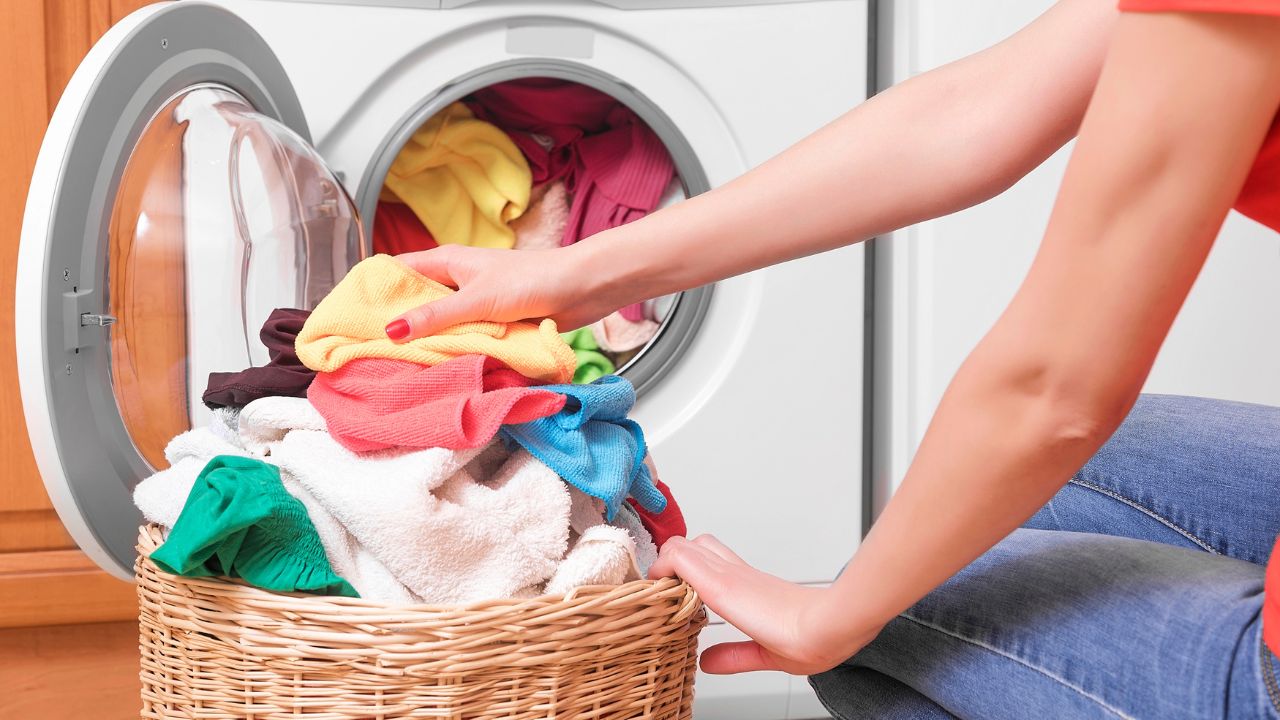
27 Ways Oregonians Ruin Their Laundry Without Knowing It

Many people think laundry’s foolproof. Toss it in, hit start, move on.
But somewhere between “wash” and “dry,” the damage begins. Clothes shrink, colors fade, and towels turn scratchy, long before anyone realizes why.
These are the sneaky mistakes quietly wrecking Oregonians’ laundry rooms, one spin cycle at a time.
Using Way Too Much Detergent
More soap doesn’t mean cleaner clothes. It means residue city.
Many people pour detergent like they’re seasoning fries, convinced more equals better.
The truth? That buildup traps dirt, stiffens fabric, and makes your washer work overtime. Those faded tees and dull towels? Blame your heavy hand with the liquid lid.
High-efficiency machines only need about two tablespoons of detergent. That’s it. The rest just goes straight to waste, or into your clothes.
Ignoring the Care Labels
We all think we’re laundry rebels until our favorite hoodie turns doll-sized. Care tags exist for a reason, yet people love to treat them like polite suggestions.
Those tiny icons that look like hieroglyphics? They’re your clothing’s survival guide.
When you toss “dry clean only” into a hot cycle, you’re not saving money, you’re planning a textile funeral.
If you can’t decode the label, a quick search saves you heartbreak. Or at least your favorite pair of jeans.
Overstuffing the Washer
Everyone’s guilty of it. You think, “Just one more shirt won’t hurt.” Then suddenly, your washer sounds like a freight train.
Cramming too many clothes leaves no room for water or detergent to circulate. The result?
A half-clean, half-wrinkled mess that smells faintly of gym locker.
Smaller loads actually save energy and time since clothes dry faster. Think of it like cooking, crowding the pan never ends well.
Forgetting to Clean the Washer
Ironically, the machine that’s supposed to make things clean is often disgusting. The hidden grime, lint, and detergent sludge create a bacterial paradise.
Most Americans never think to wash their washer. But a simple monthly rinse with vinegar or a washing machine cleaner keeps mold and odor away.
That funky smell when you open the lid?
That’s your sign it’s been way too long.
Mixing Towels with Everything Else
Towels are laundry’s heavyweight champions. Thick, absorbent, and determined to ruin every delicate in their path.
When you toss them in with lighter fabrics, they rub, shed lint, and trap moisture.
The result is pilling sweaters, linty leggings, and dull-colored shirts.
Wash towels separately with warm water, and skip fabric softener if you want them to stay absorbent.
Using Fabric Softener on Everything
Fabric softener feels fancy, but it’s quietly wrecking half your closet.
It coats clothes with a waxy film that kills moisture-wicking ability and reduces absorbency.
Activewear, towels, and microfiber cloths especially hate it. The residue clogs fibers and locks in stink.
If you love softness, switch to wool dryer balls or white vinegar instead. Your yoga pants will thank you.
Drying Everything on High Heat
The “high” setting is people’s favorite laundry sin. It’s quick, it’s hot, and it’s ruining your clothes one shrink at a time.
Cotton tees, jeans, and synthetics all degrade faster under intense heat.
Elastic waistbands lose stretch, colors fade, and that perfect fit vanishes forever.
Air dry whenever possible, or at least use medium heat. It takes a few more minutes, but your clothes will last years longer.
Leaving Wet Clothes Sitting in the Washer
We’ve all done it, start a load, forget about it, and find a swampy, sour-smelling mess hours later.
Leaving damp clothes trapped in a closed washer turns it into a mildew incubator.
Even one forgotten cycle can make clothes stink permanently.
Set a timer or use your phone alarm. The laundry gods reward punctuality.
Ignoring Stains Until It’s Too Late
“Eh, it’ll come out in the wash.” Famous last words. Stains love procrastinators.
Once they set, they become part of the fabric’s DNA.
Pretreating takes 30 seconds and saves hours of regret. A quick dab of detergent or stain remover before washing makes all the difference.
And stop rubbing, dab gently, or you’ll spread it further and grind it in.
Not Sorting by Fabric Type
Color sorting gets all the attention, but fabric weight matters just as much.
Heavy items like jeans beat up lighter clothes during washing.
That’s why your thin T-shirt starts looking threadbare after just a few spins with denim.
Keep delicate fabrics together and heavier ones separate. Your wardrobe will stay wearable way longer.
Forgetting About Lint Filters
Dryers have a simple request: please clean the lint trap.
Yet somehow, this one-minute task becomes America’s seemingly most ignored safety tip.
A clogged lint filter reduces airflow, makes clothes take longer to dry, and even risks fires. Plus, it leaves fuzz on everything.
Clean it after every single load. Your dryer (and electric bill) will breathe easier.
Washing in Cold Water Only
Cold water saves energy, but it doesn’t always save cleanliness.
It’s fine for light loads, but cold alone can’t dissolve certain detergents or remove body oils.
Over time, clothes start smelling musty and looking dingy.
Use warm water occasionally for towels, sheets, or workout clothes. Balance is everything.
Not Turning Clothes Inside Out
Friction is the enemy of fashion. When clothes tumble in the washer, the outer layer takes all the abuse.
Turning items inside out preserves color, prints, and fabric texture.
It also reduces pilling, especially on leggings, dark denim, and graphic tees.
A tiny flip makes a big difference, yet most people skip it because “it’s just laundry.”
Neglecting the Dryer Vent
The lint trap catches a lot, but not all. Every year, thousands of dryer fires start from clogged vents full of lint dust.
Beyond safety, a blocked vent makes drying take forever. It also bakes your clothes longer, meaning more wear and tear.
Vacuum or brush it out every few months. It’s an easy weekend chore with huge payoffs.
Using Bleach Too Often
Bleach feels powerful, but it’s the bull in the shop of cleaning agents.
Overuse weakens fibers, fades colors, and causes holes.
For whites, oxygen-based bleach is safer and just as effective. For colors, skip bleach altogether and use a brightening booster instead.
Bleach should be your last resort, not your default setting.
Skipping the Dryer Sheet Alternatives
Dryer sheets smell great, but they’re basically perfume-covered plastic.
They coat fabrics in chemicals that trap residue and reduce breathability.
Over time, that buildup attracts dust and irritates sensitive skin. Not exactly the “fresh and clean” vibe people expect.
Natural alternatives like wool dryer balls or reusable sheets work just as well without the mystery film.
Forgetting to Separate Pet Hair Loads
If you have pets, you already know the battle. But washing fur-covered clothes with everything else only spreads the fluff around.
Pet hair clings to wet fabric, embedding deeper during the spin. The solution?
Run a quick “air dry” or “no heat” tumble before washing to loosen fur first.
You’ll save your lint roller, and your sanity.
Not Prepping New Clothes Before Wearing
That crisp “new clothes” smell? It’s not freshness, it’s leftover dye and finishing chemicals.
Skipping the first wash can transfer dyes to other clothes or cause skin irritation.
Always give new garments a solo rinse before they join the regular rotation.
Bonus: pre-washing helps clothes fit better after that first inevitable shrink.
Using the Wrong Water Temperature for Stains
Hot water doesn’t fix every mess. In fact, it can lock in protein-based stains like blood or sweat.
Cold water, on the other hand, barely touches grease.
Knowing which to use is half the battle. Cold for blood, warm for grease, hot for whites. Simple, but rarely followed.
That mystery stain that “just won’t budge”? It’s probably been cooked in permanently.
Ignoring Zippers and Buttons
Open zippers snag fabrics; closed buttons stretch thread holes.
Either way, neglecting closures causes quiet chaos in the wash.
Zip up jeans and hoodies before washing, but unbutton shirts. It’s a small prep step that prevents long-term wear.
Think of it as putting your clothes in seatbelts before the spin ride.
Hanging Heavy Sweaters to Dry
You’re trying to be gentle, but gravity disagrees. Hanging wet sweaters stretches them into new and unflattering shapes.
Instead, lay them flat on a towel to dry.
Reshape gently while damp, and they’ll keep their form, and your dignity, intact.
Bonus: they’ll dry faster and feel softer.
Neglecting Pillowcases and Bedding Frequency
People remember to wash their clothes, but forget what their faces touch every night.
Pillowcases and sheets quietly collect oil, drool, and bacteria.
Waiting weeks between washes leads to breakouts and a musty smell that even Febreze can’t fix.
Wash bedding weekly in hot water. It’s the difference between “clean laundry smell” and “someone’s been sleeping here since July.”
Treating Workout Clothes Like Normal Clothes
Athletic fabrics trap sweat and bacteria in ways cotton can’t. Regular detergent often can’t cut through it.
Washing activewear with heavy loads or using softeners only makes it worse. It locks in odor and ruins stretch.
Use sports detergent, skip softeners, and hang to dry.
Otherwise, that gym smell becomes a permanent feature.
Forgetting the Sun’s Power
The dryer isn’t your only option. Line-drying outside naturally whitens, sanitizes, and freshens clothes, no bleach needed.
Yet most Americans overlook it for convenience.
But the sun’s UV rays kill odor-causing bacteria and can preserve fabric life.
Plus, nothing beats that crisp, line-dried smell.
Not Adjusting for Hard Water
Hard water, loaded with minerals, leaves residue that dulls colors and stiffens clothes.
Many people don’t even realize it’s a problem.
If your laundry feels scratchy or gray, a water softener or a cup of vinegar per load helps neutralize the minerals.
Your fabrics will thank you with actual softness again.
Treating the Laundry Room Like Storage
When baskets, clutter, and random bottles pile up, laundry stops being efficient.
You can’t fold properly, find supplies, or even see your lint trap.
A clean, organized laundry area makes the chore faster, and safer. Plus, you’re less likely to grab the wrong product at 11 p.m.
Sometimes it’s not the clothes that need a refresh. It’s the space.
Forgetting Laundry’s Golden Rule: Less Is More
The final, ultimate mistake: overcomplicating it.
People often chase hacks and gadgets, but most laundry success comes from simplicity.
Fewer products, smaller loads, cooler temps, and a little patience. That’s it.
Your clothes don’t need a miracle, they just need you to stop doing too much.
Remember When Everything Had Color? These 18 Things Definitely Did
There was a time when even the most ordinary things were bursting with color.
But now?
We’ve swapped charm for minimalism, and for some reason, we all agreed to pretend it’s better. Here are some everyday things that used to be colorful but aren’t anymore.
Remember When Everything Had Color? These 18 Things Definitely Did
17 Life Hacks That Are Harder Than the Non-Hack

Life hacks are supposed to make your life easier, and sometimes they really do. However, the internet is rife with hacks that aren’t actually effective.
17 Life Hacks That Are Harder Than the Non-Hack
Think You Belong in a Different Decade?
From big bands to big hair, our playful Decade DNA Quiz reveals which classic American era fits your personality best. It’s fast, fun, and full of vintage flair.
Meet Your Match. Discover Your Decade DNA. (Your Vintage Roots Are Showing)

