
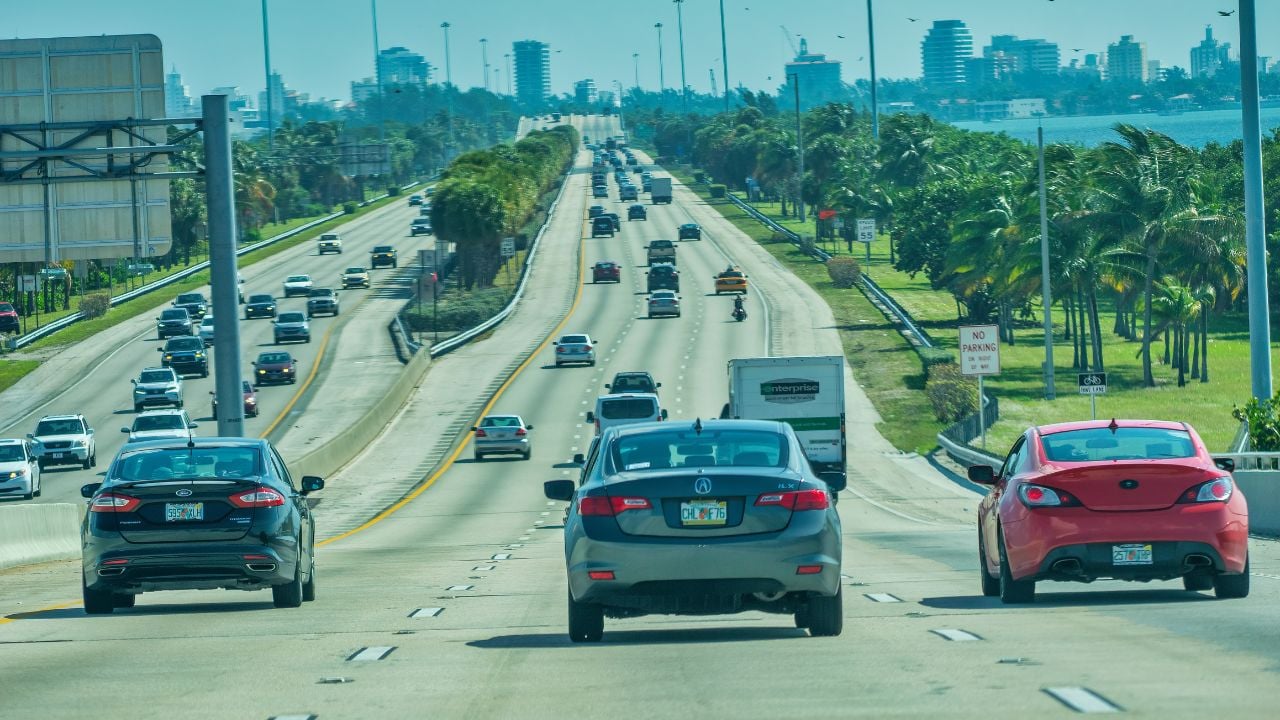
12 Driving Habits That Reveal You’re Driving Behind a Florida Snowbird

Every winter, Florida roads get a seasonal personality shift. The traffic gets thicker, the turn signals get earlier, and the left lane gets a lot more… slow.
Snowbirds arrive with good intentions, careful driving habits, and navigation apps working overtime.
Locals can usually spot them within minutes, not by the license plate, but by the way they handle merges, turns, and green lights.
These driving habits are the giveaways that a local is witnessing a Florida snowbird in action.
Driving 10 Miles Under the Speed Limit in the Left Lane
Florida locals treat the left lane like a mission. It’s for passing, moving, and getting where you’re going today, not eventually.
Snowbirds often settle into the left lane and cruise comfortably below the speed limit like they’re on a scenic tour.
Meanwhile, a growing parade of increasingly frustrated locals stacks up behind them.
In Florida traffic, it’s one of the biggest tells on the road that you’re behind a snowbird.
Treating Every Merge Like a Four-Way Stop
On many Florida highways, merges are fast and continuous. Drivers are expected to adjust speed and slide in smoothly.
Snowbirds often slow way down or nearly stop before merging, waiting for a giant opening that could fit a parade float.
The intention is safety; the effect is mild chaos behind them.
Locals tend to merge like a zipper. Snowbirds merge like they’re entering a live runway.
Braking Early and Often for No Visible Reason
Florida drivers are used to steady flow and late braking.
Snowbirds prefer generous braking cushions that begin far earlier than expected.
They tap the brakes for gentle curves, distant red lights, and situations that might someday become situations.
Drivers behind them sometimes can’t see the cause and start imagining a ghost crossed the road.
Signaling for Extra Long
Turn signals are good. Florida locals use them.
But snowbirds often turn their signals on extremely early and leave them blinking like a holiday decoration.
Half a mile before the turn, the signal begins. It continues through several unrelated intersections and possibly a change of plans.
By the time the actual turn happens, everyone within a three-car radius has been emotionally preparing for it.
Slowing to Read Every Street Sign
Snowbirds are often navigating unfamiliar territory, so they read every sign thoroughly.
Street names, plaza signs, and community entrance markers all get full attention.
This leads to gradual slowdowns while rolling past signs that locals stopped noticing in 1998. The car might not stop, but it definitely lingers.
Locals know their turns in advance. Snowbirds confirm them three times.
Being Extremely Polite at Four-Way Stops
At a four-way stop, Florida locals usually follow the normal order with confident hand waves if needed.
Snowbirds often insist everyone else goes first. Then second. Possibly third.
They wave people through who arrived later just to be nice.
It’s courteous but confusing to locals.
Avoiding Left Turns at Busy Intersections at All Costs
Rather than turn left across traffic, many snowbirds will go straight, turn right, turn right again, then right again, and call it strategy.
They build box turns to avoid pressure.
Navigation apps get very creative during snowbird season.
Locals will wait for the gap and go. Snowbirds will redesign the route.
Driving With Both Hands Locked at Ten and Two
There’s nothing wrong with proper hand position. Snowbirds just tend to use the full driver’s ed posture at all times with intense focus.
Locals are more likely to steer casually with one hand and a sub from Publix in the other.
The contrast is easy to spot at stoplights.
When someone looks fully prepared for a driving test at every moment, odds are good they’re seasonal.
Hesitating at Green Lights Just in Case
When the light turns green, Florida locals usually move quickly.
Snowbirds often pause, scan, re-scan, and then proceed carefully to ensure nobody is running the red.
It’s defensive driving turned up a notch.
It’s smart, but the extra delay is noticeable to the five cars already leaning toward the gas pedal behind them.
Using Hazard Lights During Normal Rain
Florida rain can be heavy but brief. Locals slow down and keep moving.
Snowbirds frequently turn on hazard lights during regular rain showers, creating a blinking convoy effect down the highway.
It’s more common in some northern states, which is why it stands out here.
In Florida, flashing hazards usually mean something is actually wrong.
Treating Toll Roads Like a Surprise
Florida has a lot of toll roads. Locals roll through without thinking.
Snowbirds sometimes react to toll signs like unexpected math problems. Last-second lane changes, sudden slowdowns, and booth confusion follow.
By March, many of them are pros. In December, it’s a learning curve.
Driving Golf Cart Speeds in Beach Town Traffic
From coastal towns to city highways, snowbirds often drive at ultra-relaxed speeds, enjoying the scenery, the palm trees, and the sunshine.
Meanwhile, locals behind them are trying to get to work before lunch.
The vibe mismatch is strong but predictable every winter season.
Why Locals Still Secretly Like Snowbird Drivers Anyway
For all the teasing, many Florida locals don’t actually mind snowbirds on the road. The slower pace, extra caution, and polite gestures are better than reckless driving any day.
Snowbirds bring business, stories, and a different rhythm to winter life in the Sunshine State.
Their driving habits might stand out, but so does their enthusiasm for being there.
And by the end of the season, many of them drive just like locals anyway… until next winter resets the pattern.
18 Funny Things Florida Snowbirds Do at Publix

We have nothing against snowbirds. But ask any year-round Publix regular, and they’ll tell you that these seasonal visitors have some… unique… shopping habits.
18 Funny Things Florida Snowbirds Do at Publix
11 Mistakes People Make When Shopping at Winn-Dixie

It always starts the same. You walk into Winn-Dixie for “just a few things,” and 45 minutes later, you’re wheeling out two bags of chips, a frozen shrimp tray, three kinds of cereal, and a receipt long enough to use as a scarf.
Whether you’re a loyal weekly shopper or just stopping in for a few things, chances are you’ve made at least one of these common Winn-Dixie mistakes.
