20 Common Kitchen Mistakes That Ruin the Flavor of Your Minnesota Meals Every Time

We’ve all been there, following a recipe to the letter, only to end up with something that tastes like it came out of a school cafeteria tray.
From rushing through steps to skipping the “boring” details, these slip-ups can leave your home-cooked Minnesota meal tasting bland or downright gross.
Using Dull Knives
Cutting with dull knives doesn’t just slow you down; it changes how ingredients cook. Unevenly chopped vegetables and proteins affect texture and flavor.
A dull blade bruises herbs and crushes produce instead of slicing cleanly. That leads to bitterness and loss of freshness.
It also creates frustration in the kitchen. Simple prep becomes harder than it needs to be.
Sharpening knives regularly keeps cuts clean and flavors intact. It’s one of the easiest ways to improve your cooking.
Skipping the Resting Time for Meat
Pulling meat straight from the stove or grill to the plate is a common mistake. Without resting, juices spill out and leave the dish dry.
The flavor you worked to build stays on the cutting board instead of in the food. Even the best seasonings can’t make up for the loss.
The habit usually comes from impatience. People are eager to serve right away.
Letting meat rest for a few minutes makes it juicier and more flavorful. That pause pays off every time.
Overseasoning with Salt
Salt enhances flavor, but too much of it overwhelms a dish. Instead of balance, you end up with a meal that tastes one-dimensional.
The mistake often happens when people season blindly without tasting. It’s easy to shake in more than needed.
Once food is oversalted, it’s hard to fix. The flavor lingers no matter what else you add.
Season gradually and taste as you go. A lighter hand keeps dishes flavorful without going overboard.
Overcrowding the Pan
When too much food goes into a pan at once, it steams instead of sears. The result is bland, soggy texture instead of golden, flavorful bites.
This mistake is common when trying to cook quickly. It feels efficient to pile everything in.
But overcrowding prevents the heat from circulating properly. Food loses its chance to caramelize.
Cooking in smaller batches creates better flavor. It’s worth the extra time for the results.
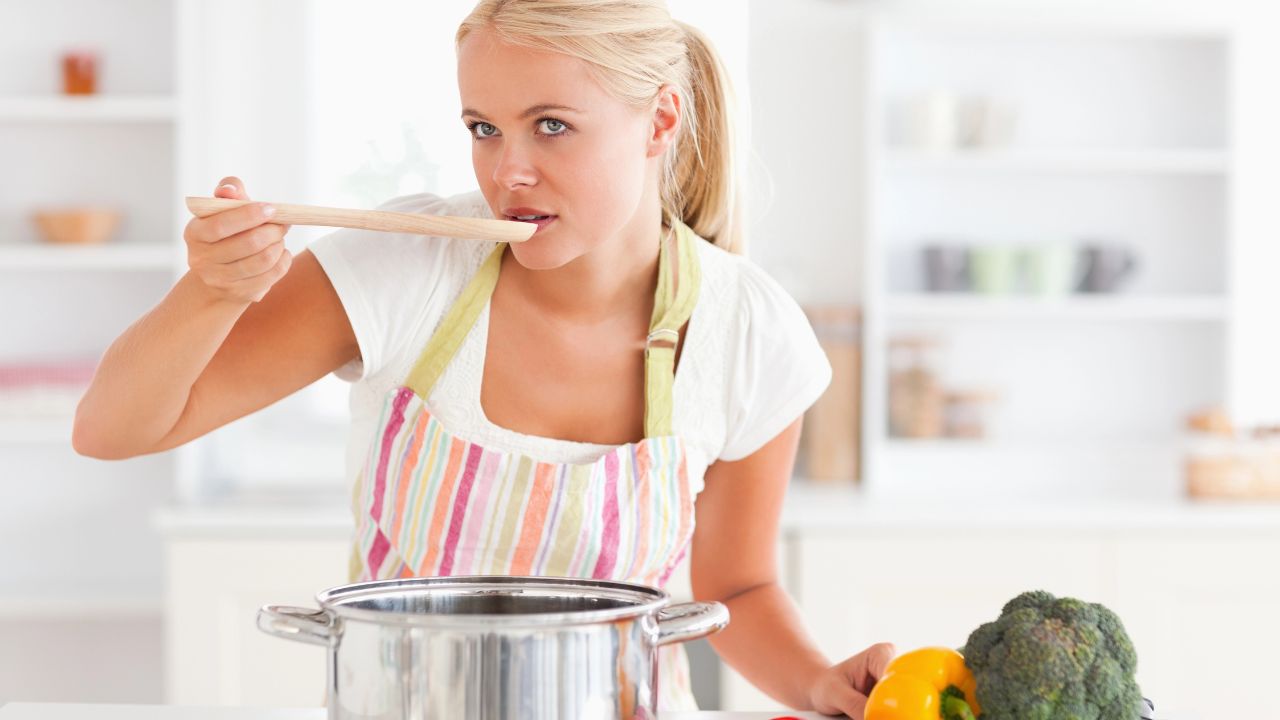
Forgetting to Taste as You Cook
One of the simplest mistakes is waiting until the very end to taste a dish. By then, it’s too late to make meaningful adjustments.
Seasoning needs to be layered throughout the cooking process. Skipping this step often leaves meals flat or unbalanced.
Even small changes, like adjusting salt, acid, or spice along the way, make a big difference.
Tasting often keeps flavors consistent and ensures the dish turns out the way it should.
Cooking Pasta in Too Little Water
Using a small pot or not enough water makes pasta clump together and cook unevenly. The starch concentration becomes too high.
This mistake leaves noodles sticky and heavy, which impacts the sauce later. The dish never feels as smooth as it should.
Plenty of water allows pasta to move freely. It cooks evenly and tastes better.
A large pot with a good amount of salted water avoids this problem entirely.
Burning Garlic
Garlic adds depth to dishes, but it burns in seconds if left unattended.
The mistake usually happens when you add garlic too early to hot oil. The flavor changes quickly from fragrant to bitter.
Even a small amount of burnt garlic spreads bitterness through the food. It’s nearly impossible to mask.
Adding it later or cooking it at a lower heat preserves its flavor.
Ignoring Acid Balance
Many dishes taste bland not because they lack seasoning, but because they lack acid. Forgetting to add lemon juice, vinegar, or tomatoes makes flavors feel dull.
Without acidity, rich or heavy foods become overwhelming. They lack brightness and freshness.
This mistake is easy to make when focusing only on salt and fat. Acid often gets overlooked.
Balancing a dish with just a splash of acid transforms the flavor instantly.
Overcooking Vegetables
Cooking vegetables too long strips them of both flavor and texture. Instead of crisp and bright, they end up mushy and bland.
This often happens when people boil vegetables and forget to check them. The color fades, and so does the taste.
Overcooked vegetables also lose nutrients, leaving the meal less satisfying overall.
Quick steaming or roasting preserves freshness and brings out natural sweetness.
Not Preheating the Pan
Putting food into a cold pan stops it from developing flavor. Instead of searing, ingredients release liquid and turn soggy.
Preheating allows proteins and vegetables to caramelize properly. Without it, dishes miss out on depth.
The mistake often comes from rushing or not wanting to wait. But skipping this step changes the outcome entirely.
Giving the pan a few extra minutes ensures flavor develops the way it should.
Measuring Baking Ingredients Incorrectly
In baking, even small mistakes in measuring throw off the balance. Too much flour or sugar changes both flavor and texture.
Scooping directly from the bag often packs ingredients too tightly. The recipe ends up denser than intended.
Unlike cooking, baking doesn’t allow for much correction once ingredients are mixed. The results speak for themselves.
Using proper measuring tools keeps flavors consistent and reliable.
Using Old Spices
Spices lose potency over time, but many people keep them for years without realizing. Dull spices make dishes taste flat.
The mistake happens because spices sit tucked away in cabinets, rarely checked for freshness.
Even if they look fine, the flavor is gone. Recipes that should be bold come out lifeless.
Replacing spices every year or two ensures flavor stays sharp and vibrant.
Adding Too Many Ingredients
Sometimes less really is more. Piling in extra spices, herbs, and sauces muddies the flavor instead of enhancing it.
The mistake usually comes from wanting to boost taste. Instead, it overwhelms the palate.
Dishes end up confused, with no single flavor standing out. What should be balanced turns chaotic.
Sticking to fewer, quality ingredients creates stronger results every time.
Not Letting Bread Dough Rise Enough
Cutting corners on rising time leads to heavy, dense bread. The flavor never develops fully without patience.
The yeast needs time to create air pockets and deepen the taste. Rushing it stops that process.
Impatience often comes from wanting fresh bread faster, but the sacrifice shows in the final loaf.
Allowing dough to rise properly gives both flavor and texture the chance to shine.
Using Cold Butter When Softened Is Needed
Recipes that call for softened butter depend on the butter’s texture. Using cold butter throws everything off.
Cookies and cakes end up dense instead of light. The butter doesn’t cream properly with sugar.
Many bakers make this mistake when they forget to prep ingredients ahead of time.
Taking the time to let butter warm to room temperature ensures baked goods have the right structure and flavor.
Forgetting to Deglaze the Pan
After cooking meat or vegetables, the flavorful bits left in the pan are often ignored. Skipping deglazing wastes that flavor.
Those browned pieces, called fond, hold concentrated taste. Without liquid, they stay stuck to the pan.
The mistake usually happens because people rush ahead to the next step. They miss the opportunity.
Deglazing with wine, broth, or even water turns those bits into a rich sauce that elevates the dish.
Using Too Much Oil
Adding extra oil may seem like it will make food tastier, but it often leaves dishes greasy instead of flavorful. The richness overshadows other ingredients.
This mistake usually happens when people don’t measure carefully or think more oil means better cooking.
Instead of crisp and light, vegetables or proteins turn heavy and unbalanced. The texture suffers too.
Measuring oil and using only what’s needed helps flavors stand out cleanly.
Not Toasting Spices First
Throwing spices directly into a dish without warming them up dulls their impact. The flavors don’t reach their full potential.
A quick toast in a dry pan or with a little oil wakes up the natural oils inside spices. Without it, they taste flat.
People often skip this step to save time. The result is food that lacks depth.
Taking a minute to toast spices transforms the entire dish.
Adding Dairy Too Early
Cooking cream, milk, or cheese at high heat for too long causes them to curdle or separate. Instead of creamy flavor, you get lumps.
This mistake often comes from tossing dairy in at the start of a recipe. Heat breaks it down quickly.
The texture ruins the dish and the taste turns unpleasant.
Adding dairy at the end, once the heat is lower, keeps it smooth and rich.
Using Water Instead of Stock
When recipes call for broth or stock, swapping in water weakens the flavor. The dish ends up tasting plain.
The mistake seems harmless, but stock adds layers that water can’t. Soups, stews, and sauces all suffer from the shortcut.
People often do this when they don’t have stock on hand, but the result is noticeable.
Keeping bouillon or store-bought stock available ensures dishes stay flavorful.
18 Recipes Grandmas Always Took to Church Potlucks

In old-school America, your grandma didn’t need a crown to rule the church potluck. She just needed a slow cooker and a handwritten recipe card.
18 Recipes Grandmas Always Took to Church Potlucks
25 Traditions Young Americans Have No Interest In Keeping Alive

These days, many young people aren’t clinging to the same customs their parents and grandparents swore by.
From hosting formal dinner parties to sending holiday cards, these are the traditions that just don’t feel as relevant anymore.
25 Traditions Young Americans Have No Interest In Keeping Alive
What Decade Were You Really Meant For?
Whether you’re dreaming of bell-bottoms or soda fountains, our Decade DNA Quiz will match you with the decade that fits your personality. No work deadlines here, just a fun escape when you need it most.
Meet Your Match. Discover Your Decade DNA. (Your Vintage Roots Are Showing)