29 Habits That Make Washingtonians Think You’re Richer (or Poorer) Than You Really Are

Money talk in Washington is often more about appearance than reality.
From the car you drive to the way you order at Starbucks, people are constantly reading financial cues.
Some make you look flush with cash. Others signal penny-pinching, and sometimes they’re flat-out misleading.
Let’s break down the everyday habits that can shift how fellow Washingtonians size up your bank account.
Driving a New Car Every Few Years
Nothing screams “disposable income” like pulling up in a brand-new car. Leasing especially gives the impression you’re always on the cutting edge.
But plenty of Americans lease because they don’t want to deal with repairs, not necessarily because they’re rich.
Ironically, the guy in the 10-year-old Toyota with a dented bumper might actually have the bigger savings account.
Still, to many of us, the shine of your car body acts like a rolling financial résumé.
Using Cash Instead of Cards
Handing over crisp bills at checkout has an old-school prestige to it. It suggests you don’t need to rely on credit.
On the flip side, some see it as a sign you’re avoiding overdraft fees or don’t have good enough credit to own a credit card.
Cash habits confuse the financial signals. Are you affluent, disciplined, or barely scraping by?
Either way, people definitely notice.
Tipping Generously, Or Barely at All
Servers, bartenders, and baristas can peg your “perceived income” within seconds of seeing the tip you leave.
Leaving 30% makes you seem like you’ve got money to spare, even if you don’t.
Leaving coins or rounding down screams the opposite, fair or not.
Your generosity—or lack of it—becomes a financial label others quietly stick on you.
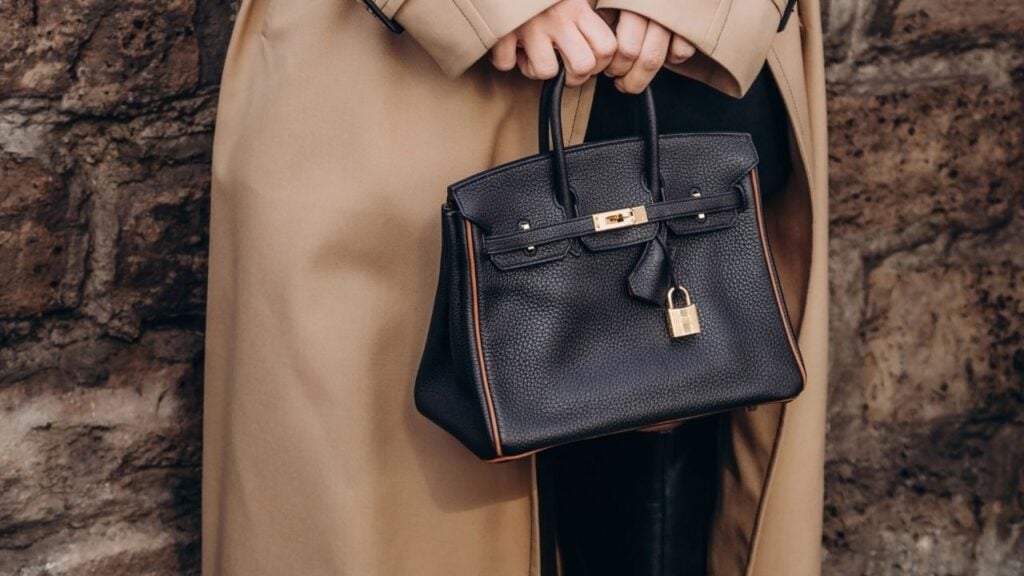
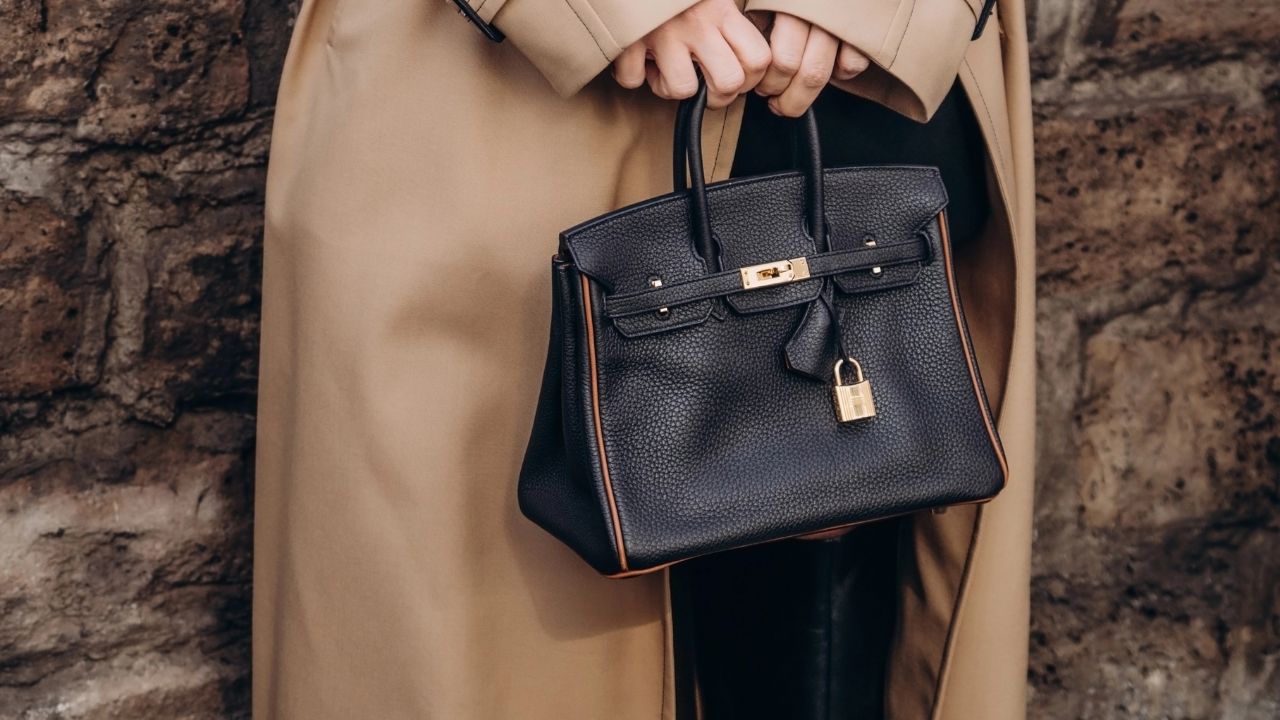
Carrying a Designer Handbag
Luxury logos on your shoulder instantly raise eyebrows.
Some will think you’re well-off, while others suspect it’s a knockoff bought online.
Either way, a flashy bag changes the way strangers read your lifestyle.
It’s a portable signal of wealth, or attempted wealth.
Driving a Pickup Truck in the Suburbs
Pickups are expensive now, and many assume a shiny F-150 means you’ve got cash.
But sometimes it’s a work expense, not a lifestyle splurge.
For suburban Americans, though, a truck often signals “comfortably middle-class with wiggle room.”
It’s one of those status reads that can go either way depending on context.
Wearing Brand-New Sneakers
Sneakers aren’t just footwear; they’re financial indicators.
A fresh pair of Jordans says you’re spending freely on style.
Worn-out soles, on the other hand, read as frugal or strapped.
Shoes are one of the first things people glance at to size up your income level.
Talking About Vacations Constantly
Dropping details about ski trips or European getaways suggests you have disposable income.
But Americans also know credit cards make those trips possible.
It’s one of those areas where you can look rich while carrying debt.
Still, in conversation, frequent travelers get filed under “comfortable earners.”
Cooking at Home vs. Dining Out
Friends, take note if you’re always suggesting home-cooked meals.
Some see it as disciplined saving, others assume it’s financial necessity.
Meanwhile, eating out several nights a week signals financial breathing room, even if it’s fast food.
Meal habits quickly get mapped to money status in people’s minds.
Wearing Jewelry Beyond a Wedding Ring
Simple studs or a wedding band barely register for most Americans.
But big chains, chunky watches, or diamond bracelets scream “look at me.”
Sometimes it reads as wealthy; other times, it reads as “trying too hard.”
Jewelry is one of those habits where perception outweighs reality every time.
Shopping Exclusively at Whole Foods
Carrying a paper bag with the green logo is basically shorthand for affluence.
Whole Foods has become the cultural symbol of “I can afford it.”
Even if you only bought a single avocado, people assume your grocery budget is padded.
Your shopping bag can work harder than your paycheck in shaping impressions.
Using Coupons at Every Store
Pulling out coupons at checkout makes fellow shoppers instantly size you up.
Some admire the discipline; it signals savvy frugality.
Others assume you’re stretched thin financially.
Couponing is one of those polarizing habits that puts you in the “poor” or “clever” category, depending on who’s watching.
Owning Multiple Streaming Subscriptions
Mention that you pay for Netflix, Hulu, Disney+, and Max, and people assume you’re comfortable.
Cancel them all to save money, and you’ll get pegged as pinching pennies.
Ironically, both choices may simply be about personal preference.
But your TV bill can become a quick shortcut for financial judgment.
Driving a Luxury SUV to the Gym
Rolling up in a Mercedes or Lexus SUV to a suburban gym changes how many people perceive you instantly.
Even if your vehicle is used, people file you under the “wealthy person” category.
Arrive in a beat-up sedan, and the assumptions swing the other way.
Parking lots are unspoken financial scoreboards.
Talking Casually About College Tuition
Mentioning you’re paying private school or out-of-state tuition signals wealth right away.
Even if you’re drowning in loans, the perception sticks.
For Americans, education costs are one of the sharpest class dividers.
Conversations about tuition instantly recalibrate how rich or poor others think you are.
Wearing Subtle but Expensive Clothes
Some Americans flex with loud brands, others with understatement.
A plain sweater that costs $300 is invisible wealth, but fashion-savvy people notice.
Meanwhile, bargain finds can be mistaken for higher-end if styled well.
Clothing habits constantly shift perceptions of your financial standing.
Driving Long Distances to Save Money
Bragging about crossing town for cheaper gas or groceries gets noticed.
Some will admire the hustle, others assume you’re financially tight.
It paints a picture of someone prioritizing savings over time.
Habits around “small money” send big messages about your overall situation.
Always Having the Newest iPhone
Pulling out the latest model on launch week looks rich, even if it’s financed.
Holding onto an older phone reads as budget-conscious, even if it’s intentional minimalism.
Americans instantly measure your financial health by what’s in your hand.
It’s one of the most visible wealth signals in daily life.
Hosting Dinner Parties Regularly
Inviting friends over with wine, appetizers, and full meals suggests extra room in the budget.
Some may assume you’re living large, while others think you’re saving compared to restaurants.
Either way, hosting frequently reads as stability and comfort.
Hospitality is a wealth indicator in its own subtle way.
Driving Without Stress About Gas Prices
When gas spikes, some Americans complain constantly.
Others shrug and fill up without a word.
That nonchalance is read as financial breathing room.
The way you react at the pump is a surprisingly loud indicator of how “rich” people think you are.
Skipping Brand Names for Generic Goods
Piling your cart with store-brand products signals careful budgeting.
Some read it as smart, others as broke.
Meanwhile, filling your cart with name brands, even on sale, reads as middle-class comfort.
Grocery choices are some of the most scrutinized financial cues.
Paying With Apple Pay Everywhere
Tapping your phone instead of swiping a card feels sleek and modern.
It suggests you’re keeping up with tech trends, which some associate with money.
Older Americans might read it as “fancy,” while younger ones shrug.
Either way, digital pay habits shift how people peg your finances.
Having a Dog Walker or House Cleaner
Mentioning that you pay for services like dog walking or house cleaning instantly changes assumptions.
Outsourcing chores is often equated with disposable income.
But sometimes it’s more about a lack of time than an abundance of money.
Still, fellow Americans quickly file it under “you must be doing well.”
Talking About Credit Card Rewards Constantly
Bragging about maximizing points for flights and hotels can backfire.
Some see it as clever wealth management, others as stretching every dollar.
It depends on whether your audience views rewards as “bonus money” or “desperate savings.”
Your credit card chatter shapes your perceived financial status.
Boasting Perfectly White Teeth
A bright smile suggests regular dentist visits or cosmetic work.
People often connect white teeth with affluence.
Skip whitening or dental checkups, and assumptions tilt toward lower income.
Oral care habits end up broadcasting more than you’d expect.
Always Offering to Split the Bill Evenly
When friends go out, the way you handle splitting the check matters.
Suggesting exact math reads as thrifty or strapped.
Easily agreeing to an even split, no matter what you ordered, reads as financially relaxed.
It’s a small social habit with a big impact on how people gauge your wealth.
Owning “Weekend Toys”
Boats, RVs, jet skis, or even a fancy grill count as lifestyle luxuries.
You might be in debt to own them, but Americans see them as status markers.
Even neighbors who never see your paycheck will peg you as well-off.
Weekend toys often tip the balance of perception more than your actual savings account.
Owning a Second Refrigerator in the Garage
A garage fridge stocked with drinks or bulk groceries is a subtle wealth marker.
It signals extra space and the ability to buy in large quantities.
Neighbors often interpret it as comfort, even though it’s sometimes just practicality.
That second fridge says more than you think.
Flying First Class or Business Class
Even if it’s a once-in-a-lifetime splurge, people remember it.
Posting a photo from the first-class cabin makes you look wealthy instantly.
Others may not know if it was points, a work perk, or pure cash.
The perception, though, is automatic affluence.
Always Having Fresh Flowers at Home
A vase of fresh flowers seems small, but it carries weight.
It signals that you have money for non-essentials.
Some guests read it as elegance, others as unnecessary spending.
Either way, flowers quietly upgrade your financial image.
15 Times Banks Failed American Customers

Many Americans put their trust in banks, depositing their hard-earned money to grow their savings. But some have had the wool pulled over their eyes.
15 Times Banks Failed American Customers
34 Cities With Sky-High Rent Prices

Apartment finder platform Zumper ranked the top 35 cities with high rent prices for a one-bedroom apartment. If you’re curious how much money fellow Americans pay to rent a one-bedroom apartment, or if you’re thinking of moving soon, you need to see the results.
34 Cities With Sky-High Rent Prices for 1 Bedroom Apartments
Think You Belong in a Different Decade?
From big bands to big hair, our playful Decade DNA Quiz reveals which classic American era fits your personality best. It’s fast, fun, and full of vintage flair.
Meet Your Match. Discover Your Decade DNA. (Your Vintage Roots Are Showing)