
22 Once-Common Professions That Young Delawareans Don’t Realize Existed

Every era has its “can’t live without it” jobs. The twist is that many of them didn’t make it to the modern world.
From unusual helpers to downright strange roles, these careers quietly vanished as the world changed. Now they survive only as curious pieces of history.
Here are the jobs people once relied on but many young Delawareans don’t realize existed.
Knocker-Ups
In the days before reliable alarm clocks, some towns employed knocker-ups to wake people for work. They tapped on windows with long sticks until someone stirred.
This profession was common in industrial areas where workers had strict shift schedules.
It might seem unusual now, but it was an essential service before technology made self-waking easier.
Eventually, cheap alarm clocks made the job unnecessary, and it quietly disappeared.
Town Criers
Before newspapers and radios, town criers walked the streets announcing the day’s news. They rang bells, shouted headlines, and shared important updates with the public.
Communities depended on them for information about politics, laws, and local events.
The role was as much about performance as it was about communication. People gathered to listen to the announcements each day.
With modern media, the job disappeared entirely.
Leech Collectors
In the past, leeches were commonly used in medicine, and someone had to gather them. Leech collectors waded into ponds and streams, letting the creatures attach to their legs before pulling them off.
It was messy, uncomfortable work, but the demand for leeches made it worthwhile at the time. Doctors believed they helped balance the body and cure illness.
Collectors often faced health risks from infection and constant exposure to cold water.
As medical practices changed, this strange profession vanished completely.
Ice Delivery Workers
Before refrigerators were common, households relied on ice delivery workers to keep food from spoiling. Large blocks of ice were cut, stored, and delivered by hand.
Workers carried heavy chunks into kitchens, often several times a week, and placed them into “iceboxes.”
Families depended on these deliveries, especially in warmer months, and the job was physically demanding.
As electric refrigerators became standard, ice delivery faded into history.
Lamp Lighters
Before electric streetlights, cities employed lamp lighters to keep public spaces illuminated at night. They carried long poles to ignite gas lamps one by one.
It was evening work that required consistency and stamina, since entire blocks depended on their efforts.
The job also involved extinguishing lamps in the morning, making it a daily routine.
When electricity took over, lamp lighters quickly became obsolete.
Switchboard Operators
Before automated phone systems, switchboard operators connected every call by hand. They sat at large boards, plugging wires into the right slots to link one line to another.
It was considered steady work, and thousands of people, often women, held these jobs across the country.
The role required focus, speed, and politeness, since operators were sometimes the only human link between two callers.
Once technology advanced, the profession disappeared almost entirely.
Milkmen
Before supermarkets and refrigerators were common, milkmen delivered fresh bottles of milk right to people’s doors. Families relied on these daily or weekly deliveries to keep their households stocked.
It wasn’t just about convenience. Milk spoiled quickly, so this service was essential for families with children.
Milkmen often became familiar figures in neighborhoods, remembered for their routine visits.
As grocery stores expanded and refrigeration improved, the profession slowly disappeared.
Elevator Operators
In the early days of elevators, riding one wasn’t as simple as pressing a button. Buildings hired operators to control the machinery, guide passengers, and make sure rides were safe.
The job required training, since early elevators were more complicated than today’s.
Many operators became a regular presence in office buildings and hotels, greeting riders and adding a personal touch.
Automatic systems eventually replaced them, leaving the job behind.
Gong Farmers
In earlier centuries, especially in cities without proper sewage systems, gong farmers were responsible for cleaning out cesspits and privies.
The work was unpleasant, physically demanding, and socially looked down upon, but it was essential for public health.
These workers often went out at night to avoid attention, hauling waste away by hand.
Modern plumbing and sanitation systems made the job obsolete.
Rat Catchers
Before modern pest control, towns and cities relied on rat catchers to keep rodent populations under control. They used traps, dogs, and sometimes even their bare hands to do the job.
Communities hired them to protect food supplies and reduce the spread of disease.
Though dangerous, the profession was considered vital in both cities and rural areas.
Today, pest control companies have replaced this once common role.
Lectors in Cigar Factories
In cigar factories of the early 20th century, workers spent long hours hand-rolling tobacco. To keep them entertained, lectors were hired to sit and read aloud.
They read newspapers, novels, and sometimes political writings while employees worked. It boosted morale and kept workers informed.
The tradition was respected in many factories, and lectors often became community figures.
As radios and other forms of entertainment entered the workplace, the job disappeared.
Telegraph Operators
Before telephones became widespread, telegraph operators were the main link for long-distance communication. They translated messages into Morse code and transmitted them over wires.
It was a skill-based profession that required training and precision. A single mistake could change the meaning of an entire message.
Telegraph offices were once bustling hubs of activity in cities and small towns alike.
With the rise of telephones and later the internet, the role of telegraph operators disappeared entirely.
Soda Jerks
In the 20th century, soda jerks were a familiar sight at drugstore counters, mixing fountain drinks and milkshakes for customers.
They weren’t just servers, they became cultural icons, known for their upbeat personalities and quick service.
Teenagers and young adults often worked as soda jerks, making it a social hub as much as a job.
Once fast food restaurants and bottled sodas took over, the profession faded away.
Linotype Operators
Linotype operators played a critical role in the newspaper industry. They used large machines to set type for printing presses, arranging letters into lines of text.
It was a technical job that required patience and accuracy, since newspapers relied on speed and precision.
For decades, thousands of people earned steady work through this craft.
Computerized typesetting eventually replaced the machines, and the job disappeared.
Bowling Alley Pinboys
Before automatic machines, bowling alleys hired pinboys to reset pins and return balls. They sat at the end of the lane and quickly arranged everything between turns.
It was fast-paced, physical work that often went to teenagers looking to earn extra cash.
While it kept games moving, the job was tiring and sometimes even dangerous.
With the arrival of mechanical pinsetters, pinboys became unnecessary almost overnight.
Typists and Stenographers
Offices in the early and mid-20th century relied heavily on typists and stenographers to handle paperwork. They transcribed dictation, prepared documents, and managed records.
Being a skilled typist was considered a respectable office career, especially for women entering the workforce.
As computers and word processors became standard, these specialized jobs vanished.
Today, everyone is expected to type their own documents, making the role obsolete.
Lamplighters on Railroads
Railroads once needed workers to maintain and light lanterns that signaled train movements. Lamplighters ensured signals were visible to keep operations safe.
It was hands-on work that required attention to detail and consistency.
With electric lights and automated signaling systems, the profession disappeared.
Railroads still need technicians today, but lamplighters are a relic of the past.
Film Projectionists
Movie theaters once relied on trained projectionists to operate film reels and keep shows running smoothly. They loaded reels, adjusted focus, and made sure the movie played without interruption.
It was a specialized skill, and mistakes could ruin an entire screening.
The job was steady work in towns where theaters were a main form of entertainment.
Digital projectors eventually replaced the need for human operators in most theaters.
Switchmen for Manual Railroads
Railroads once depended on switchmen to manually operate track switches and signals. These workers ensured trains were directed onto the correct tracks at junctions.
It was demanding, outdoor work that required precision and quick decisions to avoid accidents.
Switchmen were essential during the height of rail travel, when thousands of trains ran daily across the country.
Today, automated systems and centralized controls have made the role unnecessary.
Fuller Brush Salesmen
Traveling salesmen were a common sight in mid-20th-century America, and Fuller Brush salesmen were among the most famous. They went door-to-door selling brushes, brooms, and household cleaning tools.
The job was about charm and persistence, as sales depended on personal connections with customers.
They became cultural icons, often featured in jokes and stories about American life.
As retail stores and online shopping took over, the profession disappeared.
Telegraph Boys
Before phones and email, urgent messages were delivered by telegraph boys. They carried handwritten telegrams directly to homes and businesses.
The job required speed and reliability, as people counted on them for important news.
They were often young teens who earned extra income by sprinting through busy city streets.
With the decline of telegrams, their role vanished along with the technology they served.
Ice Cutters
Before refrigeration, ice had to be harvested directly from frozen lakes and rivers in the winter. Ice cutters used saws and horses to haul massive blocks for storage and later delivery.
It was exhausting, dangerous work that required strength and endurance.
Entire communities depended on this system to preserve food through warmer months.
Modern refrigeration and artificial ice production ended the need for ice cutters.
20 Nostalgic Things Americans Could Buy for Under $1 Back in the Day
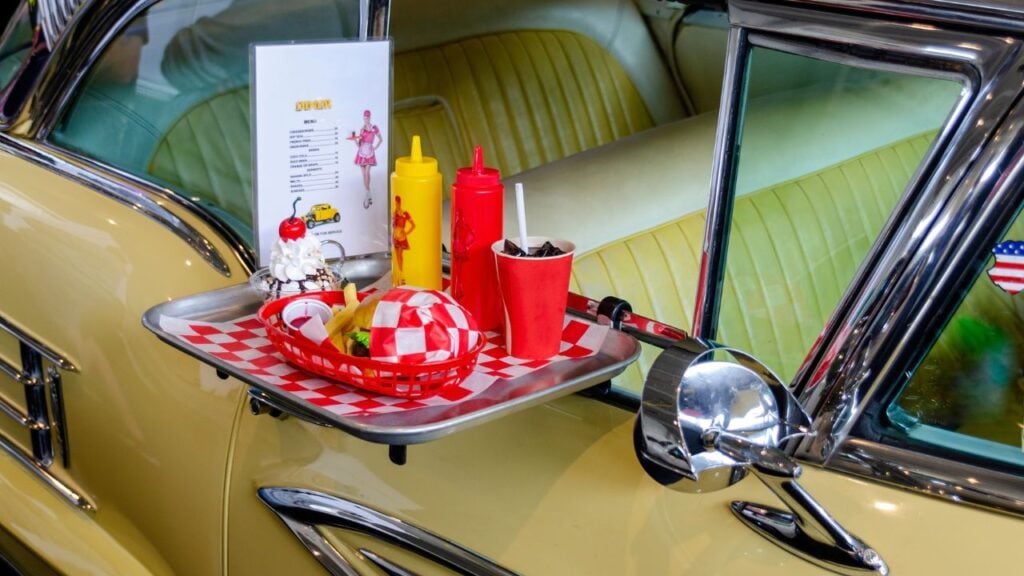
It’s hard to believe now, but there was a time when $1 could buy something meaningful.
Let’s take a trip back to the days when Americans’ pockets didn’t need much cash to bring home something fun, useful, or just plain delicious.
20 Nostalgic Things Americans Could Buy for Under $1 Back in the Day
Remember When Everything Had Color? These 18 Things Definitely Did

There was a time when even the most ordinary things were bursting with color.
But now?
We’ve swapped charm for minimalism, and for some reason, we all agreed to pretend it’s better. Here are some everyday things that used to be colorful but aren’t anymore.
Remember When Everything Had Color? These 18 Things Definitely Did
Think You Belong in a Different Decade?
From big bands to big hair, our playful Decade DNA Quiz reveals which classic American era fits your personality best. It’s fast, fun, and full of vintage flair.
Meet Your Match. Discover Your Decade DNA. (Your Vintage Roots Are Showing)