21 World War II Slang Terms Oregonians Use Without Realizing

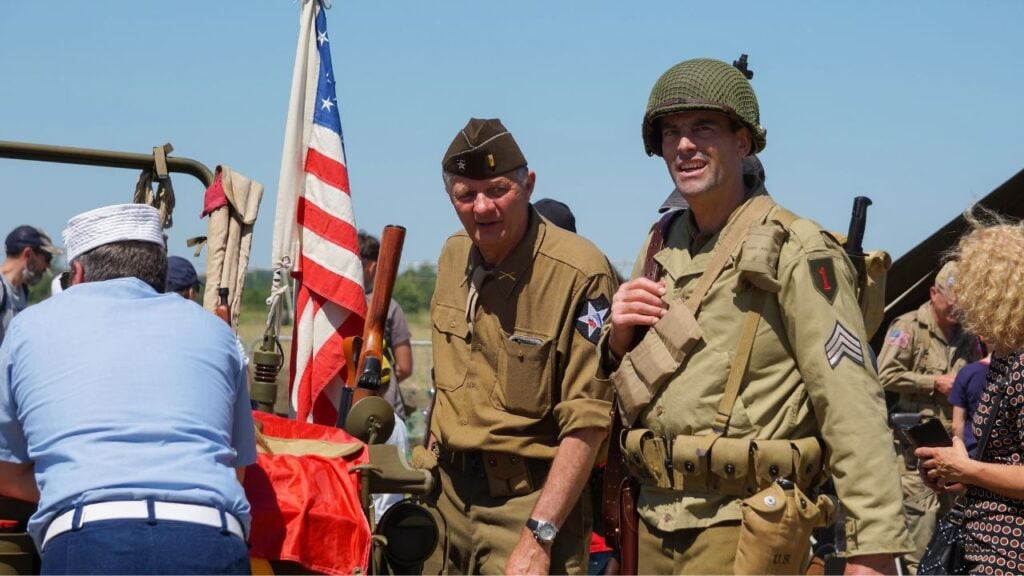
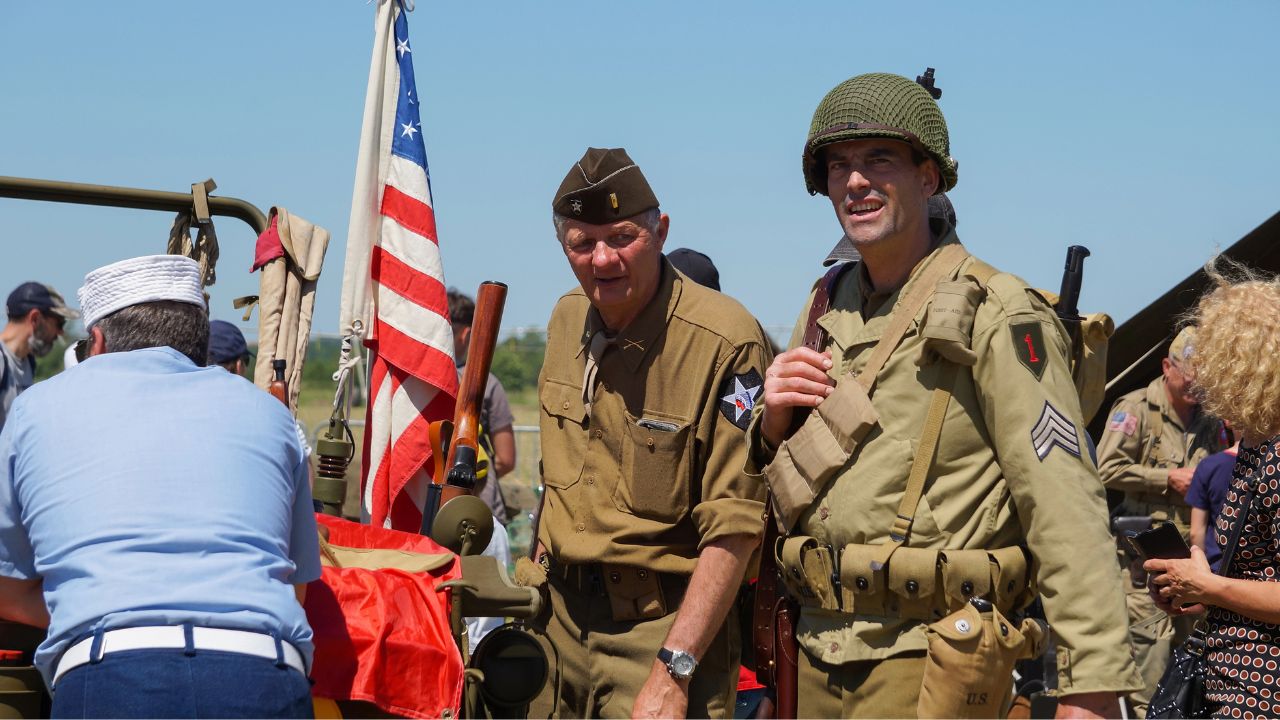
World War II didn’t just change borders. It changed the way Americans talked.
Troops came home with slang that slipped into daily speech, and most younger Oregonians don’t even realize we’re still using it.
From “snafu” to “blockbuster,” these words outlived the battlefield and landed in office meetings, grocery aisles, and Netflix nights.
Jeep
The name of America’s most famous off-road vehicle didn’t start as a car brand.
Soldiers originally used “jeep” to describe any military utility vehicle, especially the GP (General Purpose) trucks.
The nickname stuck so hard that it eventually turned into a Chrysler-owned brand.
Even if you don’t own one, you’ve probably used “jeep” generically to describe any small rugged vehicle, whether it’s actually a Jeep Wrangler or a Subaru Outback.
People still love saying it because it carries that mix of toughness and casual cool that started in WWII.
Snafu
Short for “Situation Normal, All Fouled Up” (originally with a stronger F-word), snafu was classic GI sarcasm.
It meant the usual bureaucratic mess, the kind of screw-up so common that it stopped being surprising.
If you’ve ever said, “Well, that meeting was a snafu,” you’re borrowing from WWII soldiers.
The word still works today because life hasn’t gotten any less messy.
It’s basically the perfect word for when your Amazon package gets delivered to the wrong house for the third time.
Spam
Before it became the butt of Monty Python jokes, Spam was wartime survival food.
Hormel’s canned meat was shipped overseas in staggering quantities, feeding soldiers who needed protein that wouldn’t spoil in a backpack.
By the end of the war, more than 100 million pounds of Spam had been eaten by Allied troops.
When veterans came home, the word stuck in the American diet and later got recycled for junk email.
You might love it in Spam musubi or hate it in your inbox, but either way, that’s a WWII hand-me-down.
Hit the Sack
Soldiers weren’t snoozing on plush Serta mattresses. They were literally sleeping on canvas sacks filled with hay or straw.
So when they said they were going to “hit the sack,” it meant collapsing into whatever counted as a bed after a long day.
The phrase worked its way into everyday talk after the war, and it’s still around because “I’m off to hit the sack” sounds much better than “I’m about to scroll TikTok in bed for an hour and then pass out.”
It’s homespun, direct, and somehow timeless.
Blockbuster
Originally, a blockbuster wasn’t a summer movie. It was a bomb big enough to destroy an entire city block.
When these massive explosives were dropped on enemy targets, newspapers called them “blockbusters.”
Hollywood later borrowed the term to describe big-budget movies that “blew away” audiences. Now we mostly associate it with popcorn and Marvel marathons.
But every time you say “blockbuster,” you’re echoing a phrase forged in destruction.
Radar
Radar, short for “Radio Detection and Ranging”, was top-secret military tech in the early 1940s.
By the end of the war, it was saving lives by spotting incoming planes and submarines.
Soldiers brought the word home, and it quickly became part of everyday American language.
Now, “on my radar” is just as likely to describe a new Netflix show as an enemy aircraft.
That’s one heck of a vocabulary glow-up.
Gizmo
When soldiers didn’t know the name of some gadget or contraption, they called it a “gizmo.”
The word was so flexible it could describe anything: a gun part, a radio knob, or a weird tool nobody recognized.
Veterans brought it home, and suddenly Americans everywhere had a handy word for “thingamajig.”
Next time you say, “Pass me that gizmo so I can fix this IKEA chair,” remember it came from the battlefield.
Boondocks
American soldiers in the Pacific picked up “boondocks” from the Tagalog word bundok, meaning “mountain.”
It became GI slang for remote, wild, or backcountry places. Veterans brought it back, and it slipped into everyday U.S. vocabulary.
Now, “the boonies” is just as American as apple pie.
If you’ve ever complained about your friend’s new house being “way out in the boondocks,” you’re speaking WWII slang with Filipino roots.
Chow Down
“Chow” was Army slang for food, and “chow down” meant to eat heartily.
Mess halls ran on strict schedules, and when the call came to chow down, soldiers didn’t waste time.
Back home, the phrase came with them. Today, it’s still one of the friendliest ways to invite someone to dig in.
Grandma still says it, barbecue pitmasters shout it, and you probably do too.
G.I.
The letters G.I. started as a military abbreviation for “Government Issue,” stamped on everything from uniforms to boots.
Soon it became shorthand for the soldiers themselves.
“G.I. Joe” wasn’t just a toy. It was a nickname born in barracks and foxholes.
People still say “G.I.” to describe military service, and even outside that, it lingers in our culture as a symbol of duty and grit.
Nose Dive
A nose dive in WWII meant exactly what it sounds like: a plane plunging straight down, usually in combat.
After the war, the term spread into everyday English to describe any sudden drop.
Stock prices, diets, or your energy level at 3 p.m., all of them can take a nose dive.
It’s one of those phrases that sounds dramatic but is still easy to toss into casual conversation.
Cushy
Borrowed from British troops but widely used by Americans, “cushy” came from Hindi and Urdu words meaning soft or comfortable.
Soldiers used it sarcastically to describe an easy assignment compared to front-line duty.
Now, we use it to describe everything from a lazy Sunday to a well-paying desk job.
That cozy vibe is straight out of a soldier’s vocabulary.
Doughboy
World War II soldiers borrowed “doughboy” from their World War I predecessors.
It was a nickname for American infantrymen, and while it faded after the 1940s, echoes of it remain.
Even if you’ve never called a soldier a doughboy, you’ve probably eaten a Pillsbury crescent roll and seen the little Doughboy mascot giggle on TV.
That’s a direct descendant of a wartime nickname.
Bail Out
In WWII, to “bail out” meant to jump from a damaged plane using a parachute.
Back home, Americans adopted it to describe pulling someone out of financial trouble.
By the 2008 housing crisis, “bailout” was one of the most common words on the evening news.
Every time you say it, you’re echoing the language of midair emergencies.
Dig It
Soldiers used “dig” to mean understand, agree, or appreciate.
By the time veterans came home, it slid easily into jazz clubs and later into 1960s counterculture.
Now, we still say “I dig it” when we vibe with something.
From foxholes to Instagram captions, the word stuck because it just feels cool.
Bombard
Yes, “bombard” existed long before WWII, but the war supercharged its everyday use.
The sight of bombers raining explosives gave the word fresh urgency.
Soon, Americans were using it in non-military ways: bombarded with questions, bombarded with ads, bombarded with notifications.
The intensity of the original meaning still sneaks into the way we use it.
Tailspin
In combat, a tailspin meant an out-of-control spiral dive.
After the war, the metaphor became part of American culture, describing any chaotic downward spiral.
Your budget, your weekend, or your favorite football team, they can all go into a tailspin.
The imagery is so strong that the word never faded.
Kraut
While it was a derogatory slang for German soldiers during WWII, “kraut” leaked into everyday use, especially in reference to sauerkraut.
Most Americans today don’t even think about the WWII connection. They just think hot dogs.
It’s an example of how wartime slang sometimes softened into everyday food vocabulary.
Foxhole
The dirt trenches soldiers dug for cover were called foxholes.
After the war, the term became a metaphor for loyalty and survival.
“Foxhole friends” are people you’d trust under fire, or at least during a stressful Costco run.
It’s a phrase that still signals trust forged under pressure.
Bombshell
In WWII, a bombshell was literally an explosive shell. But the press soon used it for glamorous actresses who “dropped jaws” like bombs.
That’s how we got the “blonde bombshell” image of Hollywood.
Now, it describes shocking news or surprising revelations.
Every time you hear a “bombshell report,” you’re hearing echoes of 1940s slang.
Ammo
Short for ammunition, “ammo” was pure soldier shorthand.
By the time soldiers came home, civilians had adopted it too.
Even people who’ve never fired a gun know what “ammo” means.
It’s direct, punchy, and impossible to replace.
14 Restrictions American Men Faced in the Early 1900s

One hundred years ago, there were many things men weren’t allowed to do from a legal or societal perspective.
Whether it was about fashion, feelings, or family roles, these are some of the strict rules that governed men a century or more ago.
14 Restrictions American Men Faced in the Early 1900s
19 Historical U.S. Myths That Annoy History Buffs to the Core

If your teacher taught it in history class, it’s normal to assume it’s true. Ask any historian, though, and you might be surprised to learn the stuff of school history lessons is often riddled with inaccuracies.
19 Historical U.S. Myths That Annoy History Buffs to the Core
Think You Belong in a Different Decade?
From big bands to big hair, our playful Decade DNA Quiz reveals which classic American era fits your personality best. It’s fast, fun, and full of vintage flair.
Meet Your Match. Discover Your Decade DNA. (Your Vintage Roots Are Showing)