
21 Everyday Habits That Instantly Date a Delawarean as Over 40

You can spot it from a mile away: the little habits that give away someone’s age faster than a birthday cake with too many candles.
It’s not always the wrinkles or the gray hairs that do it, but the everyday things Delawareans say or do without even realizing.
Think flip phones, certain Facebook habits, or insisting on voicemail like it’s still 1998.
These quirks aren’t bad, but they definitely scream “over 40” the second they appear.
Wearing a Wristwatch for Time
Before smartphones, a wristwatch was the go-to tool for checking the time. For many over 40, it still feels natural to wear one.
Younger people often skip watches unless they’re fitness trackers or fashion accessories. Their phones tell them everything.
Glancing at a traditional watch quickly marks someone as older, even if the style is timeless.
Paying Bills With Paper Checks
Writing out checks used to be the most common way to handle bills. It was part of every household routine.
Today, most payments happen online or through automatic transfers. Younger generations barely use checkbooks.
Seeing someone reach for a check is an instant giveaway of their age group. It feels tied to an earlier time.
While secure, the process takes longer than modern options.
Listening to CDs in the Car
Car stereos once held stacks of CDs in glove compartments and visors. It was the ultimate way to bring music along.
Now, streaming and Bluetooth have replaced discs almost completely. Younger drivers never bother with physical media.
Pulling out a CD case or flipping through albums instantly shows someone is from an older generation.
The habit remains for those who enjoy the feel of music collections.
Still Leaving Voicemails
For many people over 40, leaving a voicemail feels polite and normal. They want to explain why they called in detail.
Younger generations rarely listen to voicemails. They see missed calls and return them if needed based on the quick text message they expect you to send.
This difference instantly reveals a generational gap. To younger people, voicemails feel outdated and unnecessary.
The habit continues mostly because it was once the standard way to communicate.
Printing Out Directions
Before smartphones, printing directions was the only way to navigate a new route. Websites like MapQuest made it easy.
Today, most people use GPS apps in real time, adjusting as traffic changes. Printed maps feel clumsy by comparison.
Spotting someone with a stack of directions in the passenger seat is an immediate sign they’re over 40.
The practice lingers among those who trust paper more than apps.
Using Cash for Everyday Purchases
Many people over 40 still prefer to carry and use cash for groceries, gas, or small items. It feels reliable and straightforward.
Younger generations almost always skip cash altogether, relying on cards or mobile payments instead.
Pulling out a wallet full of cash at the register instantly hints at an older age group.
The habit reflects a time when cash was the most trusted way to pay.
Using Email for Casual Conversations
Email became the standard way to communicate in the 1990s and early 2000s. Many people over 40 still use it for everyday chats.
Younger generations save email for school or work. They prefer messaging apps and social media for quick conversations.
Sending long, detailed messages to friends or family is an instant sign of age.
It reflects a time when email felt like the most efficient way to stay in touch.
Carrying a Physical Address Book
For decades, people wrote phone numbers and addresses in small pocket-sized books. It was the only way to keep track of contacts.
Now, phones store everything digitally, making address books nearly obsolete.
Seeing someone flip through a paper book for a phone number is a clear marker of being over 40.
The habit endures for those who value the feel of pen and paper.
Still Reading Printed Newspapers Daily
For many over 40, starting the morning with a physical newspaper is a familiar routine. The feel of the paper and the layout bring comfort.
Younger generations rarely subscribe to printed editions. They scroll headlines on their phones instead.
Unfolding a newspaper on a train or at a coffee shop immediately signals an older habit.
The tradition lingers because it was once the main way to keep up with the world.
Saving Plastic Bags for Later Use
Generations over 40 grew up reusing plastic bags for lunches, small trash cans, or storage. It was second nature to keep a stash.
Younger people are more likely to use reusable totes or avoid plastic altogether. The pile of bags under a sink is less common now.
Spotting someone carefully folding and storing plastic grocery bags often gives away their age.
The habit reflects a time when frugality and practicality guided every purchase.
Watching Network TV at Scheduled Times
Many over 40 still tune in to watch shows as they air. Sitting down at a set time for a program feels natural to them.
Younger people binge-watch on streaming platforms whenever they choose. Scheduled viewing feels restrictive.
Mentioning plans around a specific TV lineup often signals an older generation. It shows the influence of a pre-streaming world.
The habit continues because it was once how everyone shared entertainment.
Carrying Loose Change
People over 40 often keep coins handy, remembering when they were essential for calls or meters. It feels natural to them.
Younger generations rarely think about coins, since cards and apps handle most small transactions.
Pulling out quarters from a pocket or glove box instantly hints at an older age group.
The habit remains from a time when coins were a lifeline in daily routines.
Using Landline Phones at Home
Having a landline phone once defined every household. People over 40 often still maintain one for security or habit.
Younger people rely only on cell phones, skipping home phones entirely.
Seeing a corded phone or hearing someone give out a “home number” quickly signals age.
The tradition stays alive because it was once a fixture in every living room.
Printing Photos to Put in Albums
Photo albums filled with prints were once the main way to preserve memories. People over 40 often still enjoy them.
Younger generations leave most pictures stored on phones or online. Physical albums feel old-fashioned.
Flipping through a printed album instantly marks someone as from an earlier time.
The habit endures because it was once the only way to revisit special moments.
Carrying a Wallet Stuffed With Receipts
Older adults often keep receipts tucked into their wallets, saving them “just in case.” It’s a habit from decades of careful budgeting.
Younger people rely on digital records or apps to track spending. Their wallets are slimmer as a result.
A wallet stuffed with slips of paper is an unmistakable sign of age.
The habit reflects a time when every purchase was carefully documented.
Using Formal Sign-Offs in Texts
People over 40 often end texts with “Sincerely,” “Regards,” or even their full name. To them, it feels polite and complete.
Younger generations see texting as casual and rarely bother with endings at all. They use emojis or nothing at all.
A formal sign-off in a text instantly signals an older communication style.
The habit comes from years of writing letters and professional emails.
Owning a Separate Camera for Everyday Photos
Carrying a small digital camera or even an older film camera was once common. People over 40 often still reach for one on trips.
Unless they do photography for a hobby or income, most younger people rely completely on their phones, snapping pictures without extra gear.
Pulling out a separate camera marks someone as older, even if the photos are great.
The habit sticks because it was once the best way to capture memories.
Keeping a Rolodex or Business Card Holder
For years, professionals relied on Rolodexes or card books to track contacts. People over 40 may still keep them on desks.
Younger generations save numbers directly in their phones or use apps to manage networks.
Flipping through cards feels slow and unnecessary to younger eyes.
The habit reflects a time when physical organization was the only option.
Listening to the Radio for News and Traffic
Tuning in to the radio during commutes was once standard. People over 40 often still do it out of routine.
Younger people use apps for traffic updates and podcasts for entertainment. Radio feels dated to them.
Reaching for a dial or preset button on the drive is an instant sign of age.
The habit continues because it was once the only reliable source of updates.
Carrying Printed Coupons to Stores
For people over 40, clipping coupons from newspapers and bringing them to checkout still feels normal. It was once the best way to save money.
Younger shoppers rely on apps or digital discounts linked to store accounts. Paper coupons seem slow and outdated.
Watching someone flip through an envelope of clipped deals is an instant age giveaway.
The habit remains because it was once part of every shopping trip.
Printing Boarding Passes for Flights
Air travel has gone digital, but many over 40 still prefer to print paper boarding passes. It feels safer and more reliable than phone screens.
Younger travelers load passes onto their apps, scanning directly at the gate. Paper copies seem old-fashioned to them.
Spotting someone holding a printed pass often gives away their age group.
The habit persists because it was once the only option at airports.
20 Nostalgic Things Americans Could Buy for Under $1 Back in the Day
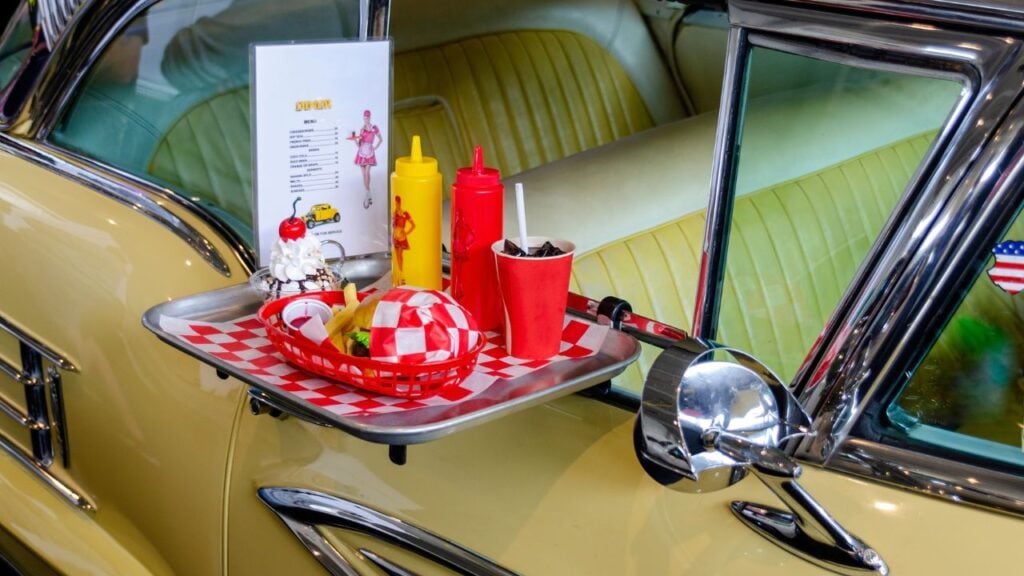
It’s hard to believe now, but there was a time when $1 could buy something meaningful.
Let’s take a trip back to the days when Americans’ pockets didn’t need much cash to bring home something fun, useful, or just plain delicious.
20 Nostalgic Things Americans Could Buy for Under $1 Back in the Day
14 Restrictions American Men Faced in the Early 1900s

One hundred years ago, there were many things men weren’t allowed to do from a legal or societal perspective.
Whether it was about fashion, feelings, or family roles, these are some of the strict rules that governed men a century or more ago.
14 Restrictions American Men Faced in the Early 1900s
Think You Belong in a Different Decade?
From big bands to big hair, our playful Decade DNA Quiz reveals which classic American era fits your personality best. It’s fast, fun, and full of vintage flair.
Meet Your Match. Discover Your Decade DNA. (Your Vintage Roots Are Showing)