21 Everyday Objects That Looked Completely Different in 1970s Kentucky Catalogs

Flip through a 1970s catalog, and you’ll feel like you’ve landed on another planet. The colors were louder, the shapes were funkier, and the patterns seemed to dance right off the page.
Even the most ordinary objects, like lamps and kitchen gadgets, were turned into bold statements. The point was not to blend in.
Here are some objects from the 1970s that young Kentuckians barely recognize compared to their modern counterparts.
Televisions With Wood Paneling
Today’s televisions are sleek and flat, but in the 1970s they were built into large wooden cabinets. They looked more like furniture than electronics.
Families often placed them as centerpieces in living rooms. The heavy sets blended with the décor of the time.
Catalogs showcased them as stylish investments, not just entertainment devices. They were meant to match sofas and tables.
Looking back, the design feels bulky compared to the minimal screens we use now.
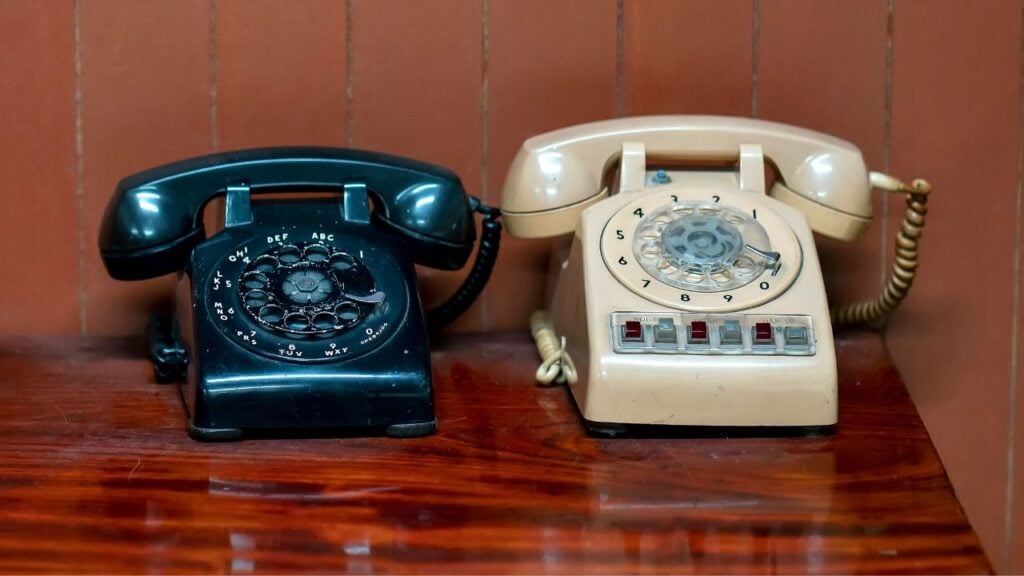
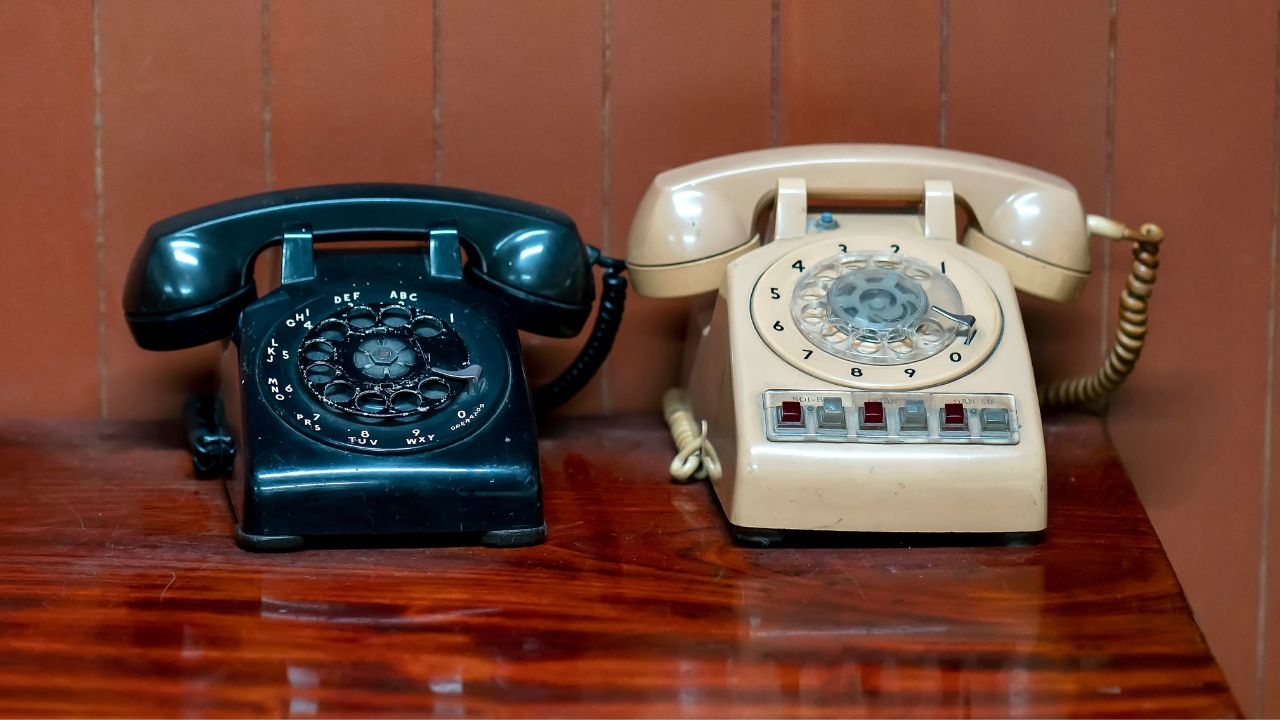
Rotary Phones in Bold Colors
Phones today are slim and cordless, but in the 1970s, the rotary dial was everywhere. Catalogs offered them in avocado green, mustard yellow, and bright orange.
The dial itself required patience, with each number taking a full spin to enter. It was a slower process than modern devices.
Despite the extra effort, people loved having a phone that doubled as a statement piece. Color was part of the fun.
Now, those bold designs feel like collectibles instead of practical tools.
Shag Carpeting in Every Room
Flooring in the 1970s was all about texture. Catalogs promoted shag carpeting in deep oranges, browns, and greens.
The thick fibers gave rooms a cozy look, but they were hard to keep clean. Vacuuming often left marks instead of results.
Families loved the comfort underfoot, especially in living rooms and bedrooms. The style screamed “modern” at the time.
Today, that same carpet feels more like a retro throwback than a household staple.
Kitchen Appliances in Harvest Gold and Avocado
Kitchen catalogs of the 1970s featured bright colors instead of the stainless steel people expect now. Harvest gold and avocado green dominated the pages.
Refrigerators, stoves, and blenders all matched the same palette. It was considered the height of fashionable design.
Families proudly displayed their kitchens in these bold shades, believing they looked modern.
Looking back, the colors feel dated, yet they perfectly capture the spirit of the decade.
Living Room Stereos the Size of Furniture
In the 1970s, stereos weren’t small boxes tucked on a shelf. Catalogs showed them as massive console systems built into wooden cabinets.
They often stretched across an entire wall, complete with record players, radios, and large speakers. Music felt like an event.
Families treated them as showpieces, proudly placing them in their main living spaces.
Today’s compact speakers make those oversized consoles feel almost unthinkable.
Watches With Calculator Functions
Digital watches were a novelty in the ’70s, and catalogs made sure to highlight them. Some even came with tiny calculator buttons.
The design looked futuristic at the time, even if the buttons were difficult to press. Students loved showing them off at school.
It was a blend of fashion and function that felt cutting-edge.
Now, those watches look chunky compared to sleek smartwatches.
Lamps With Sculptural Bases
Lighting was more than functional in the 1970s. Catalogs offered lamps with bold ceramic shapes and bright patterned shades.
Bases often came in unusual forms, from abstract swirls to textured pottery. They were meant to draw attention.
The shades added even more flair, often in matching oranges, yellows, or browns.
Today’s simpler designs make those 1970s lamps stand out as retro art pieces.
Typewriters as Household Staples
Before computers, ’70s catalogs showcased typewriters as essential home tools. Every household with students or office work wanted one.
They came in bright colors and bulky cases, ready to be carried to class or tucked on a desk.
Typing was noisy, but it felt professional and efficient. People took pride in owning one.
Now, typewriters are more of a collector’s item than a daily necessity.
Dining Sets With Chrome and Vinyl
Catalogs of the 1970s loved showcasing shiny dining sets. Tables with chrome legs and vinyl chairs in bold colors were everywhere.
The look was modern for the time, combining durability with style. Families felt proud of their futuristic dining rooms.
The materials were easy to clean but often less comfortable than traditional wood furniture.
Today, those sets look more like retro diner pieces than everyday household staples.
Alarm Clocks With Flip Numbers
Instead of glowing digital displays, 1970s catalogs advertised clocks with numbers that flipped over with each passing minute.
The design was mechanical and mesmerizing to watch. It gave mornings a distinctive sound and look.
These clocks came in bright plastics or wood panel finishes, matching bedroom décor.
Modern alarm clocks make them look clunky, yet they remain symbols of the era.
Cameras With Flash Cubes
Photography catalogs in the 1970s featured cameras that needed disposable flash cubes for extra light. Each cube offered just a few shots.
Families stocked up on them for vacations, birthdays, and holidays. It felt high-tech at the time.
The cubes made a popping sound when used, adding drama to every picture.
Now, digital cameras and smartphones have erased the need for separate flash attachments.
Record Players With Stackable Features
1970s catalogs showed record players designed to stack several albums at once. The records would drop automatically after each finished playing.
It was a way to keep music going without getting up constantly to flip sides. Families loved the convenience.
The machines were bulky, but they looked stylish in wooden cabinets or atop stereo consoles.
Today, turntables exist, but the stackable design feels like a relic of another era.
Bathroom Scales With Needle Dials
Catalogs in the 1970s showed bathroom scales with big metal frames and needle dials. They looked heavy and industrial compared to today’s sleek versions.
The numbers were sometimes hard to read, especially if the dial stuck or shifted. Accuracy wasn’t always guaranteed.
Still, they were considered must-have household items, often advertised as tools for healthy living.
Modern digital scales make those clunky designs feel old-fashioned.
Suitcases Without Wheels
Travel catalogs in the ’70s often featured luggage sets in bright colors and bold patterns. What they lacked, though, were wheels.
Travelers carried heavy cases by hand, which made long walks through airports tiring. Strength was part of the journey.
Matching sets were advertised as symbols of sophistication, despite their inconvenience.
Today, rolling suitcases highlight how different travel once looked.
Hair Dryers With Hoods
Beauty catalogs in the ’70s promoted hooded hair dryers that looked like small space helmets. Women sat under them at home as if they were at a salon.
The bulky machines promised professional results but took up a lot of space.
They were popular because they fit the beauty trends of the time, with big hair and styled curls.
Handheld dryers soon replaced them, making hooded versions rare outside salons.
Wall Clocks With Sunburst Designs
Catalogs of the 1970s loved to feature wall clocks that doubled as statement décor. The sunburst design, with sharp rays shooting outward, was especially popular.
These clocks often came in gold or bronze finishes, standing out as bold pieces in living rooms.
They were more about appearance than subtlety, meant to catch the eye of guests.
Today’s minimalist clocks make the 1970s versions look more like art than timekeepers.
Telephones With Long Spiral Cords
Catalogs in the 1970s often highlighted phones with extra-long spiral cords. They stretched across rooms, tangling along the way.
The cords were seen as convenient since they allowed more movement during conversations. Families could talk while cooking or tidying up.
Over time, the cords knotted and frayed, but they were still considered modern upgrades.
Today’s cordless and mobile phones make those dangling spirals look like relics.
Eyeglasses With Oversized Frames
Eyewear catalogs in the ’70s showed frames that were large, round, or square, often taking up half a face. They were meant to make a fashion statement.
Bright colors and bold plastic designs were common, giving glasses an unmistakable 1970s look.
The trend made eyewear feel less like a necessity and more like an accessory.
Today’s slimmer frames make those oversized designs feel distinctly retro.
Dining Room Hutches
Catalog spreads of the 1970s frequently showcased large hutches filled with china and glassware. They were symbols of status and tradition.
The designs were heavy and ornate, with dark woods and carved details. Families displayed them proudly.
They took up entire walls, dominating dining spaces. Storage and display mattered just as much as function.
Modern furniture trends have shifted toward simpler, smaller pieces.
Vacuum Cleaners With Bag Attachments
Household ’70s catalogs featured upright vacuums that relied on disposable bags. Emptying them was messy, but it was the standard of the time.
The machines were heavy and often loud, with cords that limited movement. Still, they were prized for their power.
Replacement bags were even advertised alongside the vacuums, emphasizing the ongoing expense.
Bagless designs today make those older models feel clunky and inconvenient.
Televisions With Built-In Knobs
Before remotes were common, 1970s catalogs showed televisions with large knobs right on the front. Changing the channel meant getting up and turning them by hand.
The knobs often doubled as volume controls, with a heavy click as they turned. Kids in many homes became the “remote” for parents.
The bulky controls matched the equally bulky sets, making the design feel more mechanical than digital.
Today’s slim remotes and touch controls make those knob-filled screens seem almost antique.
16 Things Every American Kitchen Had in 1975

Step into an American kitchen in 1975, and you’d find the same comforting sights and sounds no matter where you were.
It wasn’t fancy, but sometimes we wish we could go back to those days.
16 Things Every American Kitchen Had in 1975
10 Things Every 1970s Living Room Had (And We Secretly Miss)

If you walked into a typical American living room in the 1970s, you’d notice a few things right away. The patterns were bold, the furniture was chunky, and the carpet went all the way to the wall.
Styles have changed, but a part of us still misses that warm, lived-in feel.
10 Things Every 1970s Living Room Had (And We Secretly Miss)
Think You Belong in a Different Decade?
From big bands to big hair, our playful Decade DNA Quiz reveals which classic American era fits your personality best. It’s fast, fun, and full of vintage flair.
Meet Your Match. Discover Your Decade DNA. (Your Vintage Roots Are Showing)