
12 Things Miami Newcomers Learn the Hard Way

Miami welcomed over 26 million visitors last year, but the version of the city tourists experience has almost nothing to do with what it’s actually like to live here.
The beaches and nightlife make the brochure. The traffic, the humidity, and the 9 p.m. dinner reservations don’t.
If you’ve recently moved to Miami, or you’re considering it, there’s a learning curve that no Florida apartment listing or travel blog can prepare you for.
Here are 13 lessons that newcomers only pick up with time.
1. Nobody Is On Time, and That’s Normal
Miami runs on its own clock.
Dinner reservations at 8 p.m. mean arriving at 8:30. A party that starts at 9 won’t get going until 10:30. Meetings start late. Events run behind.
This isn’t carelessness. It’s cultural.
Newcomers from cities where punctuality is sacred will find this infuriating at first. Eventually, most of them adapt and stop showing up to things on time.
The ones who don’t adapt spend a lot of time sitting alone at restaurants, checking their phones.
2. Spanish Isn’t Optional
In most American cities, hearing a second language is a novelty. In Miami, Spanish is the default in many neighborhoods, businesses, and social settings.
You’ll hear it at the doctor’s office, the grocery store, the bank, and the drive-through.
Conversations switch between English and Spanish mid-sentence, and nobody thinks twice about it.
You don’t need to be fluent to live here. But picking up basic phrases goes a long way, and assuming everyone speaks English first is a fast way to feel like an outsider.
3. The Traffic Isn’t Exaggerated
Miami traffic is genuinely as bad as people say. The I-95, the Palmetto, the Dolphin Expressway.
All of them can turn a 20-minute drive into an hour without warning.
Aggressive driving is the norm. Lane changes happen without signals. Horns are instruments of expression, not just warning.
Newcomers usually try to fight the traffic for a few months before accepting that planning your life around rush hour is the only sane strategy.
4. The Heat Doesn’t Take a Break
Miami’s average temperature from June through September hovers in the low 90s, with humidity that makes it feel closer to 100.
But unlike cities with four seasons, Miami doesn’t cool down much in winter either.
December might hit the mid-70s, and locals will put on jackets.
Newcomers from up north are excited about the warm weather for about three months. Then the reality of year-round heat, constant air conditioning, and sweat as a lifestyle sets in.
5. Neighborhoods Change Block by Block
You can walk two blocks in Miami and feel like you’ve crossed into a different country.
Little Havana, Wynwood, the Design District, Overtown, Brickell, Coconut Grove, Little Haiti. Each one has its own culture, language mix, architecture, and pace.
The diversity isn’t just demographic. It’s experiential.
Newcomers who stick to one part of town miss what makes Miami remarkable.
The city rewards exploration more than almost any other metro in the country.
6. The Beach Isn’t the City
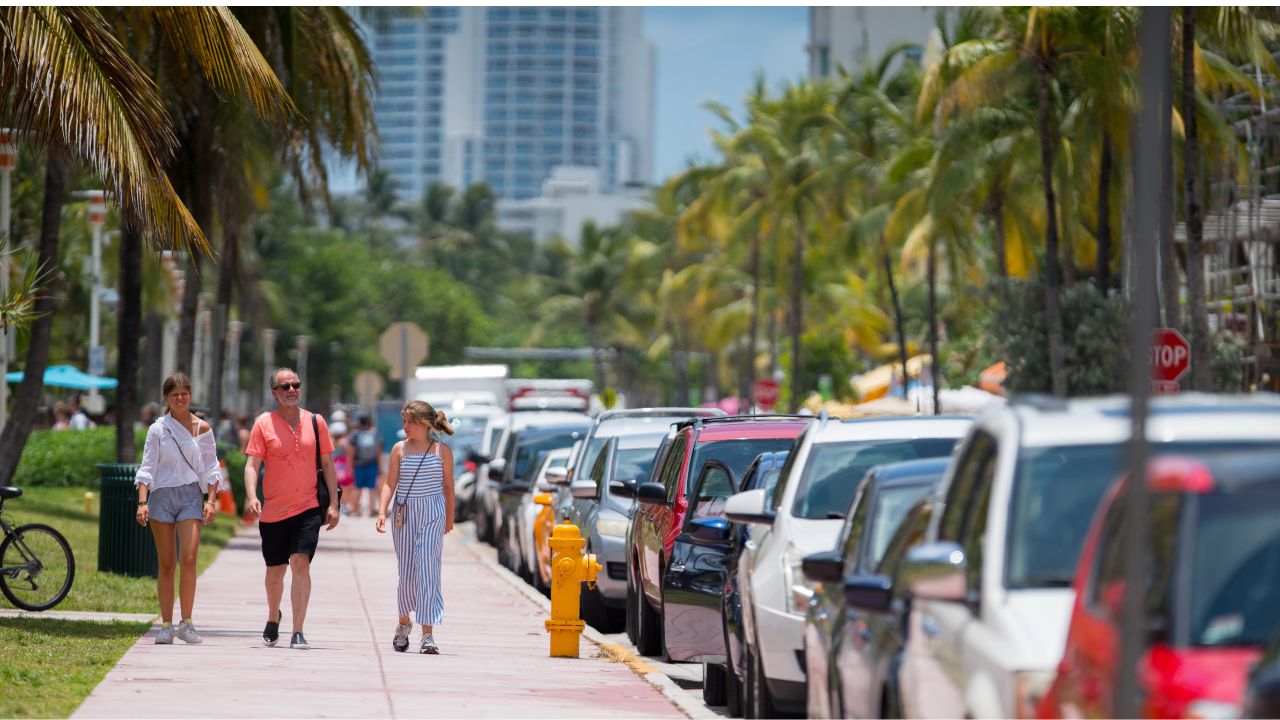
South Beach is not Miami. It’s a sliver of barrier island that happens to be the most photographed part of the metro area.
Locals know that the real Miami is inland.
It’s in the neighborhoods, the strip malls with the best food, the cultural centers, and the residential streets where the actual community lives.
If all you know about Miami is Ocean Drive and Collins Avenue, you don’t know Miami yet.
7. Cuban Coffee Is a Daily Ritual
Cafecito, colada, cortadito. These aren’t just coffee orders. They’re social currency.
Ventanitas, the little walk-up windows at Cuban cafes, are where locals gather every morning.
You order a colada, it comes with small plastic cups, and you share it with whoever’s standing next to you.
It’s sweeter and stronger than what you’re used to.
Newcomers who try to substitute Starbucks learn fast that it doesn’t carry the same cultural weight.
8. Hurricane Season Is Taken Very Seriously
From June through November, Miami residents are on alert. They check the National Hurricane Center updates the way other people check the weather forecast.
Newcomers sometimes laugh off the preparations.
Residents who’ve been through Category 4 or 5 storms don’t.
Stocking water, securing windows, knowing your evacuation zone, and having a plan are basics. If you live here and don’t have a hurricane kit by July, you’re behind.
9. Dining Starts Late
If you show up to a restaurant at 6 p.m. in Miami, you’ll have the place to yourself.
The real dinner crowd doesn’t arrive until 8 or 9 p.m.
Brunch, on the other hand, is an all-day event that sometimes doesn’t start until noon.
The food scene here is world-class, with Latin, Caribbean, Haitian, Brazilian, and fusion cuisines at every price point.
But the timing takes adjustment for newcomers used to eating dinner at 6:30.
10. The Cost of Living Is Not Tropical-Paradise Cheap
Miami’s housing market has become one of the most expensive in the country.
Rent, insurance, property taxes, and the general cost of living have climbed sharply over the past decade.
Newcomers who move here expecting affordability based on Florida’s lack of state income tax are in for a surprise.
The sunshine comes with a price tag.
Many locals spend a larger portion of their income on housing than the national average.
11. You Will Get Lost in the Numbering System
Miami’s street grid is divided into quadrants: NW, NE, SW, SE.
Streets run east-west. Avenues run north-south. And terraces, courts, places, and lanes are thrown in just to keep things interesting.
Newcomers inevitably end up at the wrong address at least once because they typed “NW” instead of “SW.”
GPS helps, but it can’t always save you from a numbering system that was designed to make sense on paper and doesn’t in practice.
12. Flip-Flops Are Year-Round Footwear
In Miami, flip-flops aren’t casual. They’re standard.
People wear them to brunch, to the store, to meetings. Some people wear them everywhere except actual formal events, and even then, there are exceptions.
Newcomers from colder climates pack real shoes for their move to Miami.
Within a year, most of those shoes are gathering dust in a closet.
Miami Grows on You Differently Than Other Cities
Miami doesn’t try to impress you with convenience or ease.
It’s not the most organized city. It’s not the most affordable. The traffic is punishing and the heat is relentless.
But it gets under your skin. The energy, the food, the music, the water, the way a random Tuesday night can turn into something you’ll remember for months.
Newcomers who expect Miami to be easy leave within a year.
The ones who let it be what it is tend to never leave at all.
Quirky Florida Laws You Didn’t Know Existed

Ready for a good laugh? From outdated ordinances to downright bizarre rules that are still technically on the books, these quirky laws will make you wonder what Floridian lawmakers were thinking.
Quirky Florida Laws You Didn’t Know Existed
6 Surprising Facts About Florida That Non-Locals Can’t Believe

Think you know Florida? These are some truths about Florida that might surprise you. Unless you’re a Floridian, of course.
6 Surprising Facts About Florida That Non-Locals Can’t Believe
