
16 TV Shows Massachusetts Families Watched in the 1970s but Couldn’t Sit Through Today

Back in the 1970s, TV time was sacred. Massachusetts families didn’t scroll or binge; they circled showtimes in the TV Guide and gathered around wood-paneled sets like it was a national event.
Everyone watched the same shows at the same time, making them cultural touchstones. But what once captivated millions now often feels slow, corny, or just plain odd.
Here are 16 TV shows families across the country watched religiously in the ’70s, but most viewers today wouldn’t sit through without reaching for the remote.
All in the Family
This was the crown jewel of ‘70s sitcoms. Archie Bunker was both beloved and controversial, a blue-collar dad with opinions that flew like fastballs.
People tuned in weekly to hear what outrageous thing he’d say next.
The show was groundbreaking, tackling race, gender, and politics head-on. For its time, it felt daring and relevant. Today, though, much of the dialogue would be deemed too inflammatory for a laugh track.
You can see why modern viewers, raised on carefully worded sitcoms, might wince rather than chuckle. The pacing is also slow compared to today’s snappy cuts and quippy exchanges.
It’s still a cultural time capsule, but binge-watching it on a Saturday night probably isn’t happening these days for most households.
MAS*H
This one is sacred to many, but even die-hard fans admit it’s a slow burn.
MASH* blended comedy and drama in a way no one had done before, using a Korean War setting to comment on Vietnam-era America.
It was witty, sharp, and emotional, but it also demanded your attention. The jokes were layered, and the moral themes could get heavy fast.
In today’s world of multitasking and quick dopamine hits, a 25-minute mix of medical procedures and philosophical musings might not hold everyone’s focus.
Many Gen Z viewers give it respect, but not necessarily repeat viewings.
The Brady Bunch
No show screamed “wholesome blended family” louder than The Brady Bunch. Those perfectly matched outfits, moral lessons tied up in 22 minutes, and a staircase that saw more drama than a courtroom, it was iconic.
For kids of the ‘70s, this was the definition of family TV. Every problem could be solved with a group hug and maybe a backyard sing-along.
Modern audiences, however, often find it unbearably corny.
The conflicts are too tame, the resolutions too pat, and the characters so squeaky clean they make bottled water look edgy.
It’s sweet nostalgia for some, but for others, it’s like watching a sitcom filmed inside a bubble of pure sugar.
Happy Days
This was the nostalgia machine of its era, set in the 1950s, aired in the 1970s, watched by everyone. The Fonz was basically America’s unofficial cool uncle, and saying “Ayyyy” was a playground staple.
It was wholesome fun with a dash of rebellious charm. The live studio audience adored it, and families scheduled dinner around new episodes.
Today, the canned laughter, episodic simplicity, and occasional “jump the shark” moments feel more like artifacts than entertainment.
Literally—this is where the phrase jump the shark came from.
People love the memory of Happy Days more than the actual experience of rewatching it from start to finish.
The Mary Tyler Moore Show
Elegant, witty, and trailblazing, Mary Tyler Moore played a single career woman making her way in a Minneapolis newsroom. It was a sitcom with brains and heart, and critics adored it.
Audiences in the 1970s were charmed by its progressive themes and character dynamics.
It showed a kind of independence that wasn’t often portrayed for women on TV.
Modern viewers, though, sometimes struggle with its slower rhythms and understated humor. It’s clever, but not the kind of punchy laugh-a-minute comedy audiences are used to today.
It remains influential, but for many, it’s more enjoyable as a historical reference than a binge-worthy show.
Sanford and Son
Redd Foxx turned grumpiness into a comedic art form in Sanford and Son. Fred Sanford’s sarcastic zingers were legendary, and the father-son dynamic made the show endlessly quotable.
It was brash, sometimes politically incorrect, and absolutely beloved. People tuned in expecting outrageous lines and classic fake heart attacks.
But its humor, rooted in 1970s attitudes and language, doesn’t always translate well to modern ears. Some jokes land differently or not at all in 2025.
It’s still funny in places, but you’d probably have to explain a lot to someone watching it cold today.
The Jeffersons
This spin-off of All in the Family was a major cultural moment, portraying an African American couple “movin’ on up” to a luxury Manhattan apartment.
George Jefferson’s fiery personality and Louise’s warmth made them one of TV’s most iconic couples.
The show was groundbreaking for representation, and its theme song alone is unforgettable. Families watched weekly to see George spar with neighbors and navigate upper-class society.
Today, the humor sometimes feels dated, and the slower pacing doesn’t align with modern sitcom structures. Some of the social commentary requires context that not every viewer brings to the table.
It remains important, but not exactly “Friday night marathon” material for most households now.
Three’s Company
When Three’s Company premiered, it pushed boundaries with its risqué premise of a man living with two women under the guise of being gay. For the ‘70s, that was wild.
The physical comedy and misunderstandings made it a hit.
John Ritter’s timing was impeccable, and the show rode the line between naughty and sitcom safe.
Today, the premise feels dated, and many of the jokes hinge on stereotypes that don’t sit well anymore. The laugh track can also feel relentless.
It’s remembered fondly, but it’s not exactly the kind of show people marathon while folding laundry anymore.
Little House on the Prairie
Based on Laura Ingalls Wilder’s books, this family drama followed life on the American frontier. It was wholesome, emotional, and often deeply moralistic.
Families in the ‘70s loved watching the Ingalls family overcome hardship with faith and determination. There were tears, life lessons, and endless sweeping prairie shots.
Modern audiences, though, often find the pace excruciatingly slow.
Episodes can stretch emotional arcs for what feels like forever, and the heavy-handed moralizing doesn’t always land.
It’s beloved for nostalgia, but not exactly the kind of series most people binge after work.
The Love Boat
This was the Saturday night guilty pleasure of millions. A cruise ship full of romantic mishaps, guest stars galore, and a captain who always had sage advice.
People loved watching familiar celebrities pop up as passengers in quirky love stories.
It was formulaic but comforting, like the TV equivalent of a box of assorted chocolates.
Now, the pace feels glacial, the humor hokey, and the fashion… well, unforgettable for all the wrong reasons.
It’s fun for nostalgia nights, but most people today wouldn’t keep it in their weekly watch rotation.
Laverne & Shirley
These Milwaukee roommates were quirky, lovable, and endlessly entertaining. Their physical comedy, silly schemes, and catchy opening theme made Laverne & Shirley a smash hit.
It was a spin-off of Happy Days but found its own voice quickly.
Audiences adored watching their adventures at the Shotz Brewery and beyond.
Modern viewers, though, might find the antics a bit over-the-top and the humor repetitive. The studio audience laughter can drown out subtle moments.
It’s charming in small doses, but binge-watching season after season isn’t on most people’s bucket lists.
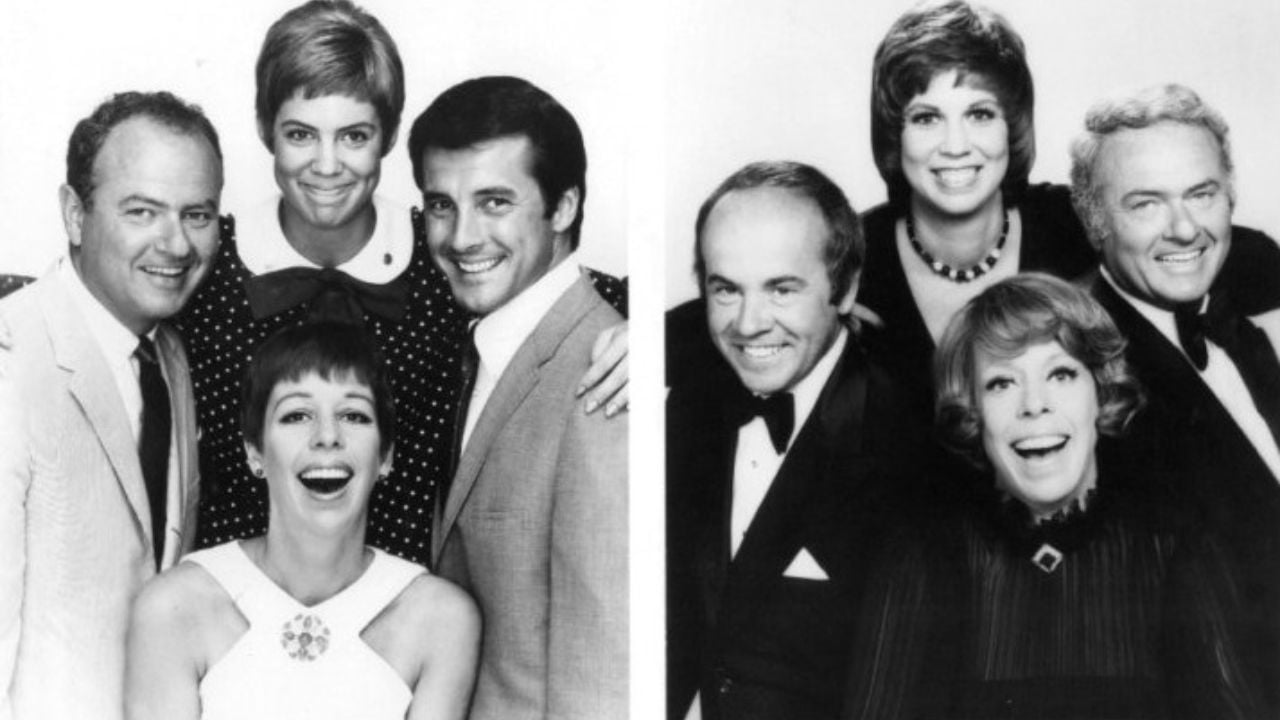
The Carol Burnett Show
This variety show was pure entertainment gold. Carol Burnett and her cast delivered sketches, musical numbers, and parodies that had audiences in stitches.
“Went with the wind!” remains one of TV’s most legendary moments.
Families tuned in every week for the mix of comedy styles. It was a shared experience, with jokes that spanned generations.
But the variety format, once dominant, feels unfamiliar to many younger viewers.
Sketches can drag on by modern standards, and some references are so specific to the ‘70s that they sail right over heads now.
People respect it deeply, but watching full episodes requires a taste for slower, vaudeville-style pacing.
Charlie’s Angels
This was the ultimate “glamour and action” combo: three beautiful private investigators, stylish outfits, car chases, and a mysterious boss on a speakerphone.
It was revolutionary for showing women as leads in action roles.
Americans were obsessed. Posters of the Angels lined bedroom walls, and kids mimicked the poses in the backyard.
Modern viewers, though, often find the plots thin, the dialogue stiff, and the action sequences tame compared to today’s fast-cut spectacles. It’s more campy than thrilling now.
It’s still iconic, but mostly as a symbol of the era, not as gripping television.
The Partridge Family
Imagine a family band traveling around in a Technicolor bus, solving minor problems through the power of music and matching outfits. That’s basically The Partridge Family.
It was light, cheerful, and perfectly in sync with early ‘70s pop culture.
Teens swooned over David Cassidy, and families enjoyed the squeaky-clean tunes.
These days, the show’s bubblegum vibe feels more like a retro novelty than something you’d binge between Netflix thrillers.
It’s adorable, sure. But modern viewers raised on gritty dramas might last one episode before flipping to something with explosions.
Fantasy Island
“Smiles, everyone! Smiles!” With that line, Mr. Roarke welcomed viewers into a world where guests’ deepest fantasies came true, though often with unexpected twists.
The mix of magical realism and moral lessons made it a Saturday night staple.
It was part escapism, part cautionary tale, and families couldn’t get enough.
Today, the pacing feels drawn out, and the fantasies themselves often seem tame or oddly structured. Some episodes play more like stage plays than TV drama.
It’s still a fascinating concept, but the original series can be a tough sit for modern audiences used to tight storytelling.
The Six Million Dollar Man
“Gentlemen, we can rebuild him.” With that iconic line, The Six Million Dollar Man introduced viewers to a bionic hero who could run in slow motion and make mechanical sound effects. It was peak ‘70s sci-fi cool.
Audiences were enthralled by Steve Austin’s adventures.
The special effects were cutting-edge for the time, and kids imitated his moves on playgrounds everywhere.
But compared to today’s action spectacles, the effects are charmingly clunky. The slow-motion running scenes that once looked heroic now feel unintentionally funny.
It’s a nostalgic watch, but modern viewers raised on Marvel may not last beyond the pilot.
16 Things Every American Kitchen Had in 1975

Step into an American kitchen in 1975, and you’d find the same comforting sights and sounds no matter where you were.
It wasn’t fancy, but sometimes we wish we could go back to those days.
16 Things Every American Kitchen Had in 1975
9 Iconic Candies That Ruled 1970s Corner Stores
The 1970s were a golden time for candy lovers. Whether you were sneaking sweets into class or swapping treats on the school bus, certain candies were just part of growing up.
If you remember unwrapping a treat while watching The Brady Bunch, this one’s for you.
9 Iconic Candies That Ruled 1970s Corner Stores
Think You Belong in a Different Decade?
From big bands to big hair, our playful Decade DNA Quiz reveals which classic American era fits your personality best. It’s fast, fun, and full of vintage flair.
Meet Your Match. Discover Your Decade DNA. (Your Vintage Roots Are Showing)

