

19 Diet Foods Georgians Swore By in the ’70s but Wouldn’t Dare Try Now

The 1970s were a golden age of oddball diet fads. Georgians stocked their fridges with Tab, piled cottage cheese on pineapple rings, and swore cabbage soup held the secret to a slimmer waistline.
Some of these “health” foods were harmless. Others were… questionable.
Either way, they defined a dieting era that looks nothing like today’s.
Cabbage Soup Diet
Few diet fads were as notorious in the late ‘70s and early ‘80s as the Cabbage Soup Diet. This plan involved eating endless amounts of low-calorie cabbage soup for a week, with very few other foods allowed.
It promised rapid weight loss, and many Americans gave it a try… but usually only once.
The soup was bland, repetitive, and not exactly satisfying.
It’s still whispered about occasionally in diet forums. But most people today wouldn’t last more than a day before craving something with texture and flavor.
Tab Diet Soda
No list of ‘70s diet foods is complete without Tab. Marketed as the soda that let you “be a shape he can’t forget,” Tab became the unofficial drink of dieters everywhere.
It had a distinctly artificial flavor that some fans loved and others endured.
Sweetened primarily with saccharin, it carried a faint chemical aftertaste that was as iconic as its pink can.
For years, people sipped Tab religiously, convinced it was the key to keeping their bell-bottoms fitting just right.
By today’s standards, that sweetener mix would raise some eyebrows. While modern diet sodas have improved their flavor formulas, few people are nostalgic enough to willingly crack open a vintage Tab.
Cottage Cheese with Pineapple
Before Greek yogurt took over breakfast menus, cottage cheese was the darling of the diet world.
In the 1970s, pairing a scoop of cottage cheese with canned pineapple chunks was practically a weight-loss rite of passage.
It was served in little bowls at diners, displayed proudly in diet cookbooks, and eaten as a “balanced meal” by people in polyester tracksuits.
The combo was supposed to provide protein and sweetness without guilt.
Nowadays, it’s hard to imagine making this a glamorous lunch. While cottage cheese has staged a comeback recently, the pineapple pairing feels like a flashback that can stay in the past.
Canned Slimming Soups
Dieters in the ‘70s loved convenience, and canned “slimming soups” promised a quick way to shed pounds.
These were often low in fat but also low in flavor, with thin broths, limp vegetables, and a salt content that could knock out a small horse.
They were marketed as meal replacements, not just a starter, often using vague “scientific” language to make them sound impressive.
Some even suggested you could live off them for a week and lose weight fast.
Modern consumers are far less likely to replace dinner with a single can of watery soup, especially now that we expect our health foods to actually taste good.
Aspartame-Free Gelatin Desserts
Sugar-free gelatin was a dessert staple of 1970s diet plans.
It came in neon colors, wiggled cheerfully on plates, and tasted vaguely of fruit… if fruit had been described to a scientist who had never eaten any.
Before aspartame was approved in the early ‘80s, these gelatin mixes relied on saccharin, after cyclamate was banned in 1969. The flavor didn’t exactly fool the taste buds.
People would whip up giant bowls of lime or strawberry “jelly,” sometimes topping them with whipped cream or canned fruit cocktail.
Today, sugar-free gelatin still exists, but few adults treat it as a sophisticated dessert. Back then, though, it was peak diet chic.
Weight Watchers Frozen Dinners
Weight Watchers launched some of the earliest branded diet frozen meals in 1973, and they were everywhere.
These trays promised portion-controlled, calorie-counted dinners that took the guesswork out of dieting.
The problem was… they didn’t taste like much. Meatloaf squares, limp vegetables, and pale mashed potatoes were common. It was all about control, not enjoyment.
Modern frozen meals have come a long way, but few people would willingly return to the original Weight Watchers Salisbury steak with its mysterious gravy.
Grapefruit Everything
The Grapefruit Diet exploded in popularity in the early ‘70s, building on earlier mid-century fads.
The idea was simple: eat half a grapefruit with every meal and watch the pounds melt away. Some versions were stricter, practically turning grapefruit into the only food group that mattered.
For weeks, people forced down tart grapefruit at breakfast, lunch, and dinner, convinced it had fat-burning enzymes. Spoiler: it didn’t.
While grapefruit still has its fans, most modern dieters would balk at the idea of eating it three times a day like some citrus-obsessed ritual.
Tuna and Mayo “Diet Plates”
One of the most infamous ‘70s lunch options was the “diet plate”: a scoop of canned tuna mixed with mayo, placed on a sad bed of iceberg lettuce, often with a tomato wedge on the side for decoration.
It was common in diners and cafeterias.
If you ordered a diet plate, everyone knew you were “watching your figure.” Unfortunately, the flavor was less than inspiring.
These days, a salad is expected to have actual color, texture, and seasoning. The tuna diet plate looks more like a punishment than a meal.
Sugar-Free Cookies with Saccharin
Before stevia and monk fruit sweeteners were trendy, saccharin ruled the sugar-free world.
Bakers used it in “diet cookies” that promised sweetness without calories, often sold through health food shops or Weight Watchers recipes rather than every grocery aisle.
The problem was that saccharin had a metallic aftertaste that couldn’t be hidden, especially in baked goods.
People ate them because they felt virtuous, not because they were delicious.
Nowadays, most folks would rather skip the cookie than eat one that tastes like sweetened aluminum.
Diet Margarine
In the 1970s, butter was out and margarine was in. But not just any margarine—diet margarine.
It came in tubs with pastel-colored lids and boasted “half the calories of butter!”
Unfortunately, the flavor was thin, and the texture was closer to spreadable plastic than anything natural. People dutifully smeared it on toast and baked with it, convinced it was the healthy choice.
Modern nutrition advice has turned the tide back toward real fats, and few would willingly go back to the original diet spreads of the disco era.
Saccharin-Sweetened Yogurt
Yogurt wasn’t always a fridge staple. But the ‘70s brought a wave of “diet” yogurts sweetened with saccharin.
These early versions were thin, tangy, and carried that signature artificial flavor.
They came in tiny cups that were more about portion control than enjoyment. People ate them to be healthy, not because they were a treat.
Compared to the thick, creamy yogurts we enjoy now, those early diet versions would be a hard sell.
“Magic” Protein Shakes
Protein shakes existed long before modern fitness culture, and in the 1970s, many diet plans included “miracle” shakes that promised meal replacement with minimal effort.
Most were powdered mixes that tasted chalky and came in not-always-appetizing flavors like vanilla or eggnog.
They were mixed with water or skim milk and consumed with great determination.
Few people today would trade their smoothie bowls or whey protein blends for the vintage chalk bombs of the past.
Diet Hot Dogs
Some companies even marketed “diet” hot dogs. These low-calorie, low-fat franks promised all the taste with none of the guilt.
The reality was spongy texture and a flavor that didn’t quite hit the mark.
They were often boiled to within an inch of their lives and served with a bun that was probably also “light.”
Modern consumers might try plant-based dogs or lean options, but the original ‘70s diet dogs?
That’s a hard pass.
Melba Toast
Melba toast was the diet cracker of the 1970s. Paper-thin and crunchy, it was marketed as the perfect alternative to bread.
People would nibble on it with cottage cheese or spread a thin layer of margarine and call it lunch.
It didn’t fill anyone up, but it felt “disciplined.”
Today, most folks want their snacks to at least resemble food, not cardboard slices.
“Lite” Mayonnaise
Early versions of reduced-calorie mayonnaise began appearing in the 1970s, paving the way for the full “light” mayo boom in the ‘80s.
These products promised the same creaminess with fewer calories.
Unfortunately, most tasted thin, tangy, and oddly sweet. People used them in everything from tuna salad to deviled eggs, pretending it was just as good.
Modern consumers have more sophisticated low-fat options, but those early jars are best left on the retro shelf.
Boiled Eggs on Lettuce
A common “light lunch” option in the ‘70s was simply two boiled eggs plunked on a bed of lettuce, maybe with a few slices of tomato.
It was quick, low-calorie, and completely joyless.
Diet cookbooks treated this like a gourmet dish. In reality, it was cold eggs and iceberg lettuce with little else.
Today, even the simplest salads get some seasoning, dressing, or avocado slices. The boiled egg plate looks more like a sad side dish than a meal.
Sugar-Free Pudding Mixes
Sugar-free pudding was a diet dessert staple, but in the 1970s it usually came in powdered form, not the ready-to-eat cups that became popular in the ‘80s.
It promised creamy indulgence without the calories, but often delivered a strange aftertaste and rubbery texture.
People would stock their fridges with big bowls of chocolate or butterscotch pudding, convincing themselves it was “just like the real thing.”
Modern sugar-free desserts have improved dramatically, and these vintage puddings would likely go straight back on the shelf today.
“Air-Popped Everything” Snacks
Before air fryers, there were air poppers. Dieters used them to make low-calorie popcorn and other puffed snacks without oil.
The result?
Bland, squeaky snacks that left you craving butter.
People sprinkled on flavor powders that never quite stuck, creating a dusty, uneven coating.
Canned Fruit Cocktail in Syrup… Drained
This one might surprise you. Many diet cookbooks suggested buying canned fruit cocktail in heavy syrup, then “draining off the calories” by pouring out the syrup.
Of course, much of the sugar had already soaked into the fruit.
But people believed they were being clever, spooning the syrupy chunks over cottage cheese or eating them plain.
Today, fresh fruit is the norm, and this trick feels like a relic of a more naïve diet era.
14 Things Every ’70s Kid Had in Their Lunchbox

From smashed sandwiches to sticky pudding cups, here’s a look at all the classic foods every ‘70s kid had crammed inside their trusty lunchbox.
14 Things Every ’70s Kid Had in Their Lunchbox
9 Iconic Candies That Ruled 1970s Corner Stores
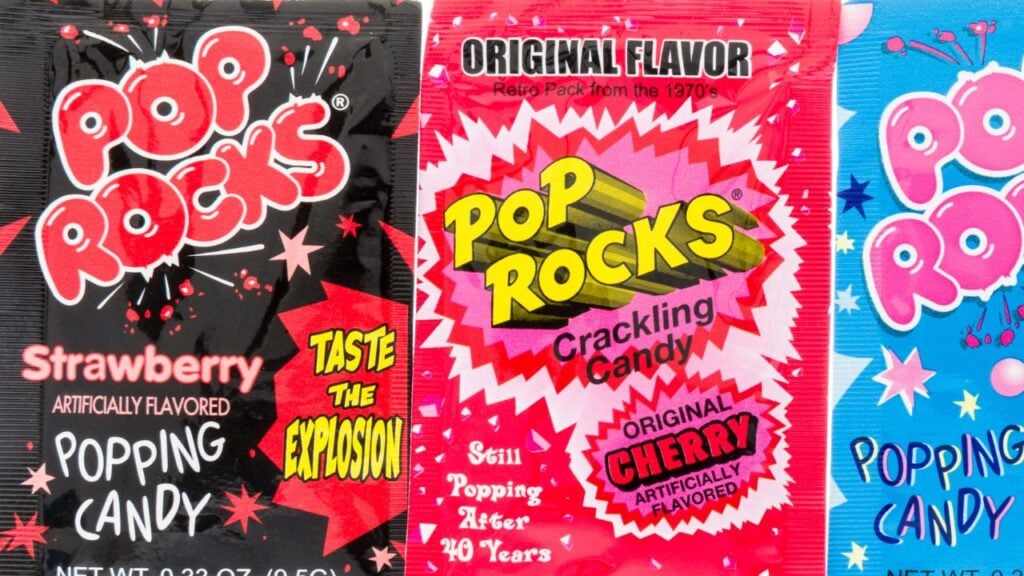
The 1970s were a golden time for candy lovers. Whether you were sneaking sweets into class or swapping treats on the school bus, certain candies were just part of growing up.
If you remember unwrapping a treat while watching The Brady Bunch, this one’s for you.
9 Iconic Candies That Ruled 1970s Corner Stores
Which Classic American Decade Is Totally You?
Take a quick break and discover which classic American era matches your personality and old-school soul. Our Decade DNA Quiz is fast, fun, and full of feel-good retro energy.
Meet Your Match. Discover Your Decade DNA. (Your Vintage Roots Are Showing)

