
10 Presidential Traditions That Disappeared Over the Decades Without Floridians Noticing

The way presidents relate to ordinary Americans has changed dramatically since the country was founded.
There used to be a New Year’s reception where you could just walk into the White House and shake the president’s hand.
There used to be Opening Day pitches and weekly press conferences and railroad tours through small towns.
Many of those traditions are gone now, and the changes happened so gradually that most Floridians never noticed.
Front Porch Campaigns
Some of the most successful presidential campaigns in American history involved the candidate barely leaving home.
Benjamin Harrison ran his entire 1888 campaign from his front porch in Indianapolis.
William McKinley topped that in 1896, drawing crowds that totaled 700,000 visitors over the course of the campaign to his home in Canton, Ohio.
Warren Harding revived the format in 1920 from his porch in Marion, Ohio.
The candidate stayed home, looking dignified and presidential. Surrogates fanned out across the country, making the case.
Voters came to the candidate, not the other way around.
The arrival of radio in the 1920s and television in the 1950s killed the format. A candidate who stayed home now looked lazy.
Voters expected the candidate to come to them, in their state, at a rally.
The last serious front-porch campaign was Harding’s a century ago. The format produced three winning campaigns and is unlikely to ever return.
The New Year’s Day Public Reception
For 131 years, any American who showed up at the White House on January 1 could shake the president’s hand.
The tradition started with John Adams in 1801.
By the early 20th century, the line stretched for blocks.
In 1927, more than 3,300 people stood in the cold and wind for the chance to greet President Coolidge. Diplomats, government officials, and ordinary citizens all waited together.
The president was expected to shake every single hand. President Taft once shook 6,000 hands in a single day, reportedly hitting 40 hands per minute.
President Hoover held the last public New Year’s reception in 1932.
Franklin Roosevelt declined to continue it after he took office, partly because of the Depression and partly because he didn’t want the public to see him in a wheelchair.
Almost no one alive today remembers a time when you could just walk into the White House and shake hands with the president.
The State of the Union as a Written Letter
Thomas Jefferson thought delivering an annual message to Congress in person felt too much like a king addressing parliament.
So in 1801, he wrote it down and sent it over instead.
The State of the Union stayed a written letter for the next 112 years.
Members of Congress would have it read aloud in the chamber. Newspapers would print the full text or excerpts. The American public would read it at home in a newspaper, the same way they read everything else.
Woodrow Wilson broke the tradition in 1913. He wanted a personal connection with Congress, and he wanted the speech to draw national attention to his policy priorities.
Almost every president since has appeared in person, with all the modern pageantry that goes with it.
The cameras, the rebuttal speech, the designated survivor, the reaction shots of senators trying not to clap.
The original written letter version ran for over a century and didn’t require a single makeup artist or teleprompter.
Whistle-Stop Train Tours
For about a century, presidents and presidential candidates traveled the country by train.
The candidate would speak from the back platform of the train at small towns that the railroad called whistle-stops.
Every four years, campaign trains rolled through every region of the country, stopping in towns most Americans had never heard of. Candidates shook hands with locals at every stop.
The format peaked with Harry Truman in 1948.
He covered 31,000 miles by train, made 352 speeches, and pulled off the most stunning upset victory in modern American history.
His personal train car was called the Ferdinand Magellan. It was the only railroad car ever specially outfitted for the President of the United States.
Today, it sits at the Gold Coast Railroad Museum in Miami, where visitors can walk through it on a regular Saturday.
After 1948, air travel made the whistle-stop tour obsolete almost overnight.
Candidates could now reach more cities in a day than a train could reach in a week.
Joe Biden did a brief whistle-stop trip in 2020 as a nostalgic gesture. The Ferdinand Magellan stayed in Miami.
The Presidential First Pitch on Opening Day
President William Howard Taft started this one on April 14, 1910.
He attended the Washington Senators’ opening game against the Philadelphia Athletics, was handed a baseball, and threw it to pitcher Walter Johnson.
The crowd loved it. The Washington Post and other papers gave the moment major coverage.
A tradition was born.
For the next 100 years, nearly every American president made at least one Opening Day appearance to throw a ceremonial first pitch.
Some were terrible at it. Some were great.
The tradition was bipartisan, low-stakes, and a reliable bit of Americana every spring.
The streak broke down in the 2010s. Three of the most recent presidents skipped the tradition entirely or only made rare appearances.
The last sitting president to throw a regular Opening Day first pitch was Barack Obama in 2010.
The tradition has continued at games, just with celebrities, athletes, and military veterans on the mound instead of the president.
The White House Easter Egg Roll Without Corporate Sponsors
Every year on Easter Monday, children roll Easter eggs across the South Lawn of the White House.
The tradition started in 1878 when President Rutherford B.
Hayes opened the lawn to children who had been turned away from the Capitol grounds.
Pat Nixon added the egg-rolling races in 1969.
Nancy Reagan started the wooden souvenir egg in 1981, signed by the president and first lady.
For 147 years, the event was free, public, and untouched by commercial advertising.
In 2025, the White House announced that companies could now pay $200,000 to sponsor the Easter Egg Roll. The move was unprecedented in the event’s history.
Americans who took their kids or grandkids to the Egg Roll in the 1990s remember a quieter, less branded affair.
Children showed up, rolled their eggs, met someone in an Easter Bunny costume, and left with a wooden keepsake.
The 2025 version added corporate logos to one of the oldest White House public events.
White House Public Walk-In Tours
There was a time when an American family on vacation in Washington could just walk into the White House.
For most of the 19th and 20th centuries, the White House offered self-guided public tours with minimal security checks.
Visitors could walk through the East Room, the State Dining Room, the Blue Room, and the Red Room. Families on D.C. vacations did exactly this for generations.
The tours got more restrictive after the 1995 Oklahoma City bombing.
They got even more restrictive after September 11, 2001.
By 2002, you needed to request tickets through your member of Congress at least 21 days in advance, and you had to provide identification, social security numbers, and pass a background check.
Tours were suspended entirely for over a year during the 2013 government shutdown and again during the COVID-19 pandemic.
The version that returned was a shadow of the old tradition. Limited days. Limited hours. Strict timed-entry windows.
The casual family walk-through is gone.
Presidential Press Conferences as Routine Events
Franklin Roosevelt held 998 press conferences during his 12 years in office.
That’s roughly two per week, every week, for over a decade.
Reporters could ask almost anything. Roosevelt held them in the Oval Office around his desk. The press was on a first-name basis with the president.
President Eisenhower held 193 press conferences in 8 years.
President Kennedy held 65 in less than 3 years.
Lyndon Johnson held 135.
The format remained a regular feature of the presidency through the 20th century.
The numbers have collapsed in the modern era. Several recent presidents held fewer formal press conferences in their entire terms than Roosevelt held in some single years.
The press conferences that still happen are heavily managed events with screened questions, limited follow-ups, and polished talking points.
The freewheeling weekly Q&A that defined the FDR through Reagan eras is gone.
White House Press Corps reporters of the 1970s and 1980s remember asking presidents real questions on a regular basis.
Their successors mostly don’t.
Lying-in-Repose at the White House East Room
When a president died in office, the body traditionally lay in the East Room of the White House before the public funeral.
Abraham Lincoln lay in the East Room in April 1865.
So did William Henry Harrison in 1841, Zachary Taylor in 1850, William McKinley in 1901, Warren Harding in 1923, and Franklin Roosevelt in 1945.
The East Room ceremony was the family’s farewell before the body went to the Capitol Rotunda for the public lying in state, then to the burial site by funeral train.
The tradition has mostly faded.
Modern presidents who have died have been honored primarily at the Capitol Rotunda. The East Room ceremony has become a smaller, more private moment when it happens at all.
Americans who watched the funeral train of Franklin Roosevelt pass through their towns in 1945 remember the East Room funeral being broadcast on the radio.
Most of the current generation has never seen one.
The Continuous White House Pet
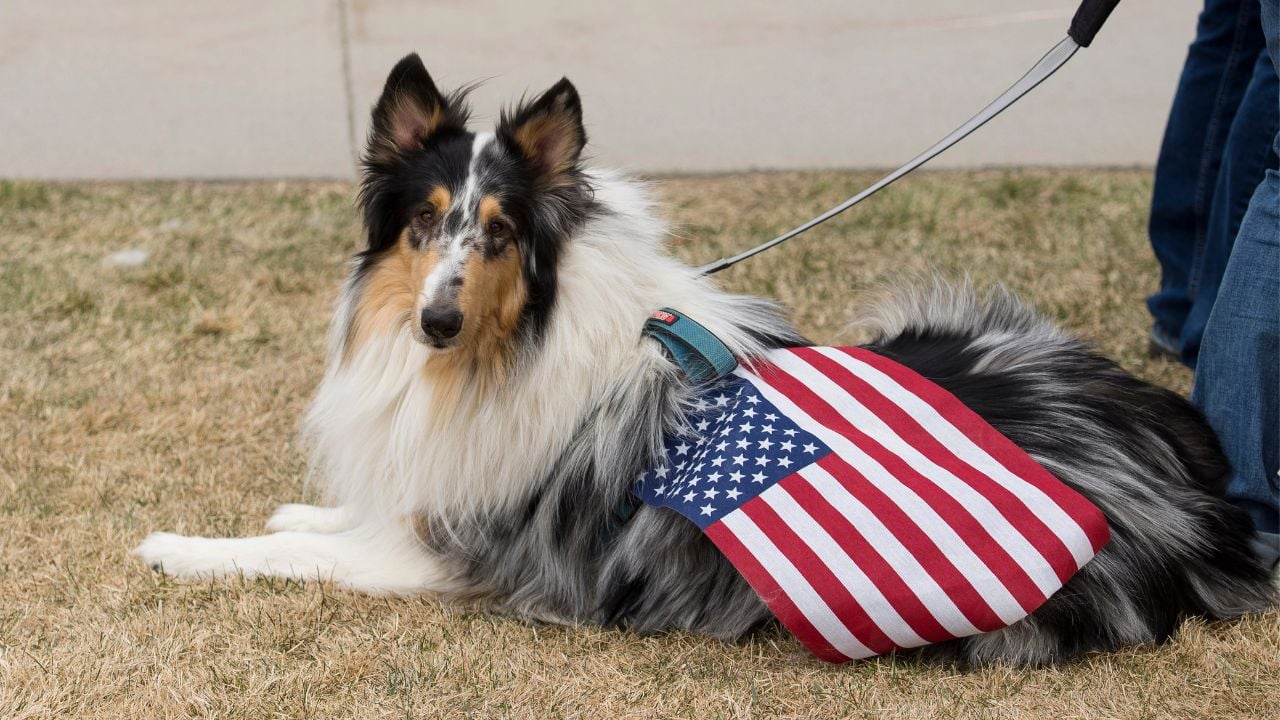
Every American president had a pet in the White House for over 150 years.
George Washington had foxhounds.
Thomas Jefferson had a mockingbird.
Theodore Roosevelt had a menagerie that included a badger, a small bear, and several snakes.
Calvin Coolidge had a raccoon named Rebecca.
Lyndon Johnson had beagles famously named “Him” and “Her.”
Bill Clinton had Socks the cat.
George W. Bush had Barney.
Barack Obama had Bo and Sunny.
Joe Biden had Major, Champ, and a cat named Willow.
Then in 2017, the streak broke. The first Trump administration was the first in over 150 years without a White House pet.
The streak briefly returned during the Biden administration, then ended again in 2025.
For most of American history, the answer to “Is there a dog in the White House?” was simply yes.
Kids who grew up seeing photos of LBJ holding his beagles by the ears or Bo Obama running across the lawn assumed there was always a dog at the White House. Now there isn’t.
10 Things U.S. Presidents Have to Pay for on Their Own That Americans Are Clueless About
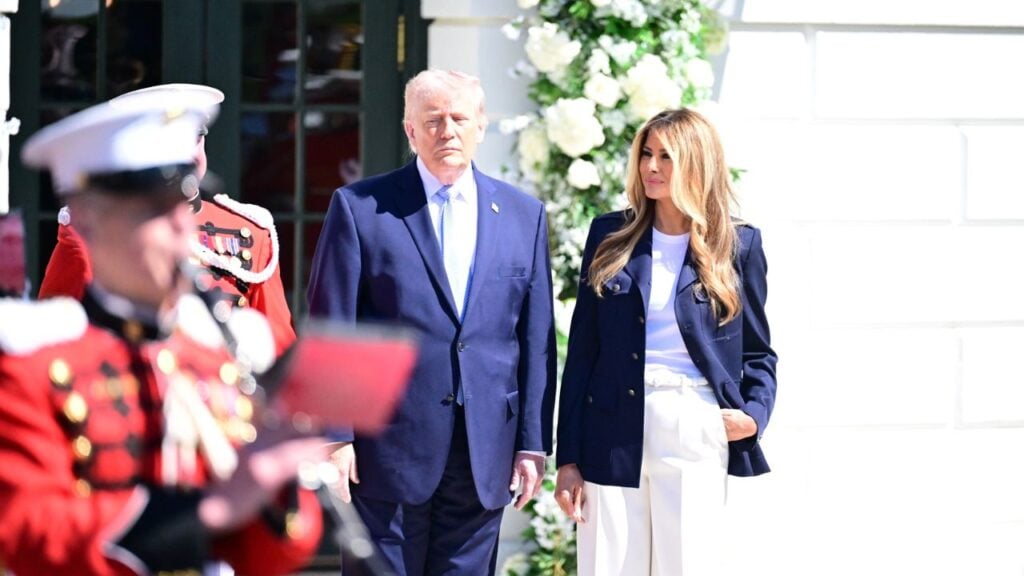
Living at 1600 Pennsylvania Avenue has obvious perks.
But the president of the United States still receives a monthly bill from the White House usher’s office, and what’s on that bill catches many Americans off guard.
10 Things U.S. Presidents Have to Pay for on Their Own That Americans Are Clueless About
12 Things Secret Service Agents Do That Aren’t What You Think
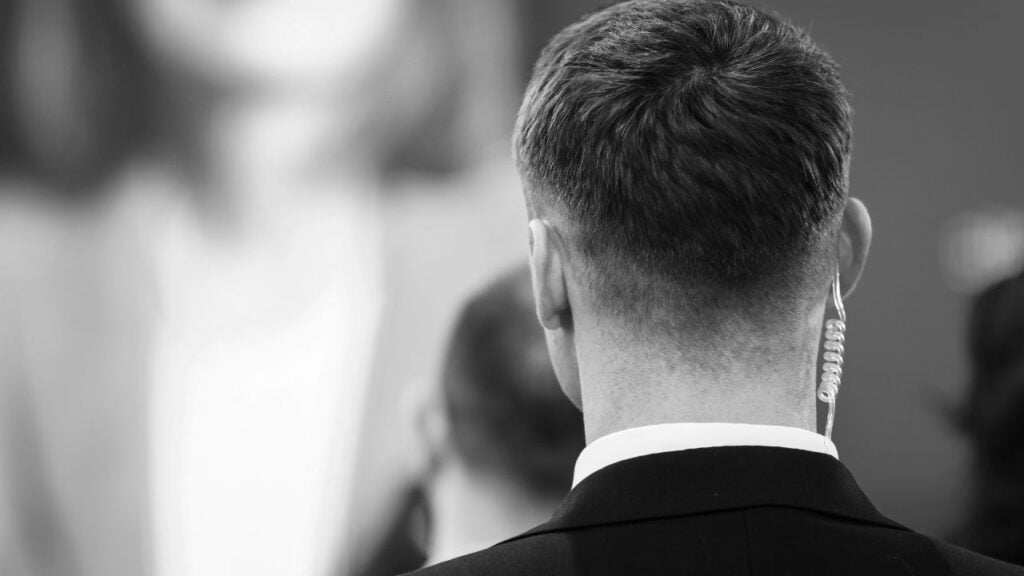
The real job of a Secret Service agent is way more complicated than the movies let on, and a lot of what agents actually do has nothing to do with jumping in front of bullets.
12 Things Secret Service Agents Do That Aren’t What You Think
