
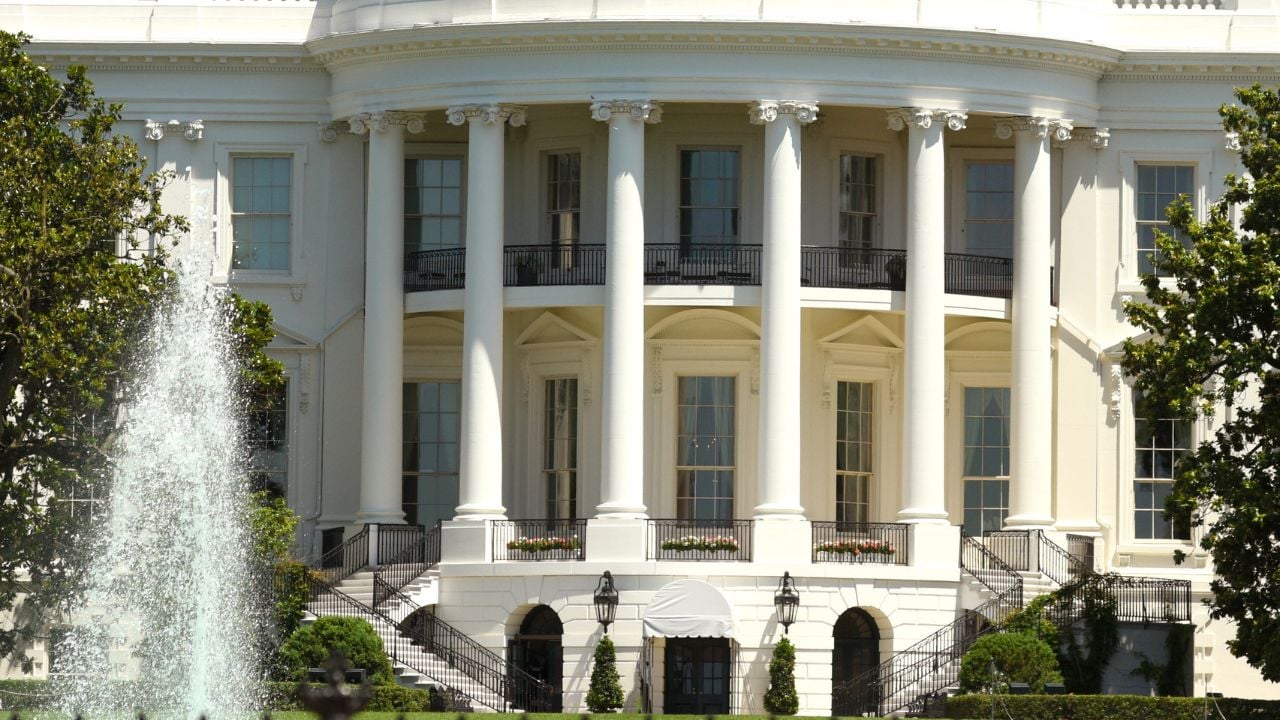
9 Weird Rules White House Staff Have to Follow That Californians Have Never Heard Of

Imagine a job where you’re expected to be everywhere and nowhere at once, to know everything and repeat nothing, and to vanish into the woodwork the moment your boss walks in.
Welcome to working at the White House.
The residence staff who run the Executive Mansion live by a set of rules so unusual that they sound made up.
They’re not.
Many trace back more than a century, shaped by chief ushers, first families, and hard lessons learned along the way.
Here are some of the strangest White House staff rules that have stayed hidden from Californians and the American public for generations.
Make Yourself Invisible
The golden rule of White House service is to be there without being seen.
The staff is expected to make the mechanics of their work all but invisible.
According to the White House Historical Association, ushers consider no detail too small when it comes to the comfort and privacy of the first family, yet they’re also responsible for making their own work disappear into the background.
The household is supposed to run like magic, with no one noticing the hands behind it.
That means anticipating needs before they’re spoken and exiting once the job is done.
For the people who pull it off, invisibility is the highest form of professionalism.
The first family should feel at home, not watched.
Hide in a Closet If You Have To
In the early decades, the invisibility rule was so extreme that it bordered on the absurd.
Staff were expected to physically disappear if the first family approached.
During the Hoover years, servants were to be unseen and unheard to such a degree that a worker caught in the same hallway as the approaching president or first lady was expected to duck into a closet to stay out of sight.
Maid Lillian Rogers Parks documented this in her famous memoir of three decades at the White House.
Picture diving into the nearest broom closet just because the president rounded the corner.
That was the job.
Things eased up over the years. By the Eisenhower era, Ike finally told the staff to relax and keep working if they happened to see him pass by.
But for a long stretch, vanishing was the expectation.
Take a Vow of Silence
Discretion is the soul of the job. White House staff are expected to keep everything they see and hear strictly to themselves, forever.
As one former chief usher put it, the butlers, maids, cooks, and gardeners share a passion for anonymity rather than any desire for the spotlight.
Over two centuries, fewer than two dozen domestic workers have ever broken that unspoken vow to publish their stories.
The staff witnesses private family moments, arguments, and vulnerable scenes that no outsider ever sees.
Repeating any of it is the ultimate betrayal.
This code of silence isn’t just good manners. It’s the foundation of the trust that lets a first family live in a house full of employees.
Sign a Confidentiality Agreement
That old unspoken vow eventually became official paperwork, thanks to one tell-all book that rattled the residence.
After Lillian Rogers Parks published her bestselling backstairs memoir in 1961, First Lady Jacqueline Kennedy responded by having White House employees sign confidentiality agreements.
What had once been an honor-system tradition turned into a signed obligation.
The shift made the expectation legally clear. What happens in the residence stays in the residence.
Interestingly, a couple of people slipped through without signing in those early days, and one of them went on to write her own tell-all anyway.
Today, that oversight wouldn’t happen.
Earn the Right to Be Spoken To
New staff don’t just walk in and chat with the president. Trust at the White House is earned slowly, and there’s a known signal for when you’ve finally arrived.
Chief Usher Gary Walters described the moment a staffer knows the first family trusts them: it’s when you walk into a room mid-conversation, and the talking doesn’t stop.
The family keeps right on going, comfortable with you there.
Until that happens, staff learn to keep their distance and let the family set the tone.
Walters said his favorite moment in any new administration was when the president first called him by his first name.
That was the signal that the whole staff could breathe a collective sigh of relief.
Know When to Disappear
Even the most trusted, beloved staffer has to recognize the moments when the first family needs to be completely alone.
They’re expected to read that cue instantly.
As one longtime butler recalled, even the warm and approachable George H.W. Bush would sometimes signal he needed total privacy with a simple “Thank you very much” to a residence worker.
That was the cue to exit, no questions asked.
The staff learns to interpret these polite dismissals as firm boundaries.
It’s a delicate dance of being attentive and available, then gracefully vanishing the second the family wants the room to themselves.
Never Ask for an Autograph or Photo
You might work steps from the most powerful person on earth, but you don’t get to act like a fan.
Staff are expected to treat the first family as employers, not celebrities.
That means no asking for autographs, no requesting selfies, and no treating the residence like a meet-and-greet. The relationship runs the other way.
Presidents have historically given gifts and signed photos to the staff, not the reverse.
President Hoover, for example, handed each employee an autographed picture and an envelope with a crisp bill inside.
For staff, keeping that professional boundary is part of the dignity of the role.
Gushing over the boss would shatter the calm, hotel-like atmosphere they work so hard to maintain.
Stay Strictly Nonpartisan
The residence staff serve the office, not the party.
Whoever wins the election, they stay, and they’re expected to treat every administration with the same devotion.
Many staffers work across decades and multiple presidents from opposing parties, smoothly transitioning from one first family to the next every four or eight years.
Their loyalty is to the house and the institution of the presidency, never to a political side.
That neutrality is a point of professional pride.
A staffer who let personal politics show would undermine the whole premise of the job, which is seamless service to whoever the American people send to live there.
Pass the Torch to the Next Generation
The White House staff functions almost like a family, and they often literally are one.
Workers are expected to train and welcome newcomers, keeping the traditions alive.
Family connections run deep in the residence, and it’s not unusual for workers to be the children or siblings of other employees.
Maggie Rogers came to the White House in 1909, and her daughter Lillian Rogers Parks worked there for decades, too.
Veteran staff break in the new maids, butlers, and ushers, passing down the unwritten rules by example.
This continuity is exactly why first families can trust the staff.
The standards get handed down from person to person, from generation to generation.
13 Things That Happen Inside Air Force One That Nobody Sees
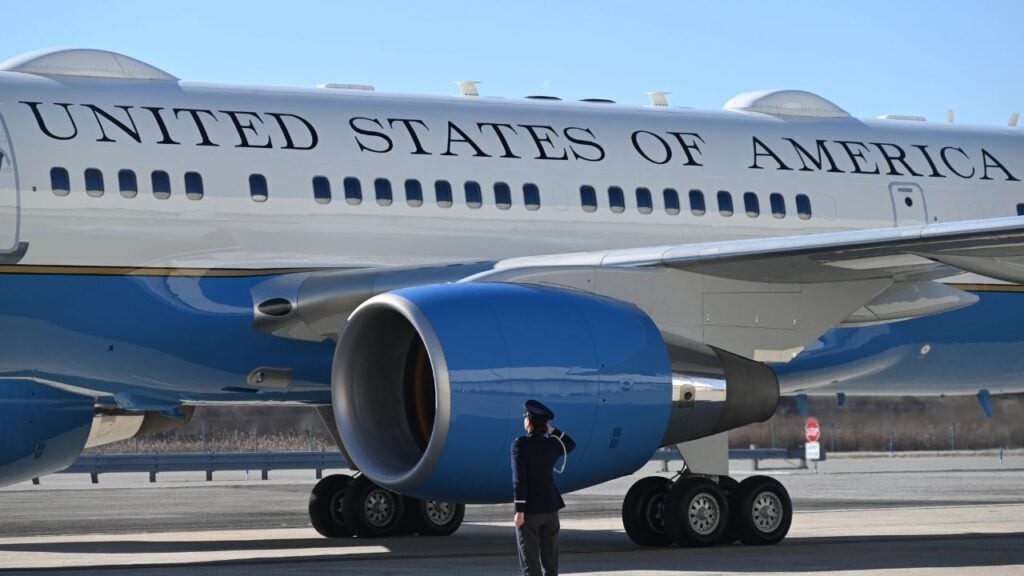
Hollywood has done a number on the public’s idea of what Air Force One is like.
Here’s what really happens on board.
13 Things That Happen Inside Air Force One That Nobody Sees
12 Things Secret Service Agents Do That Aren’t What You Think
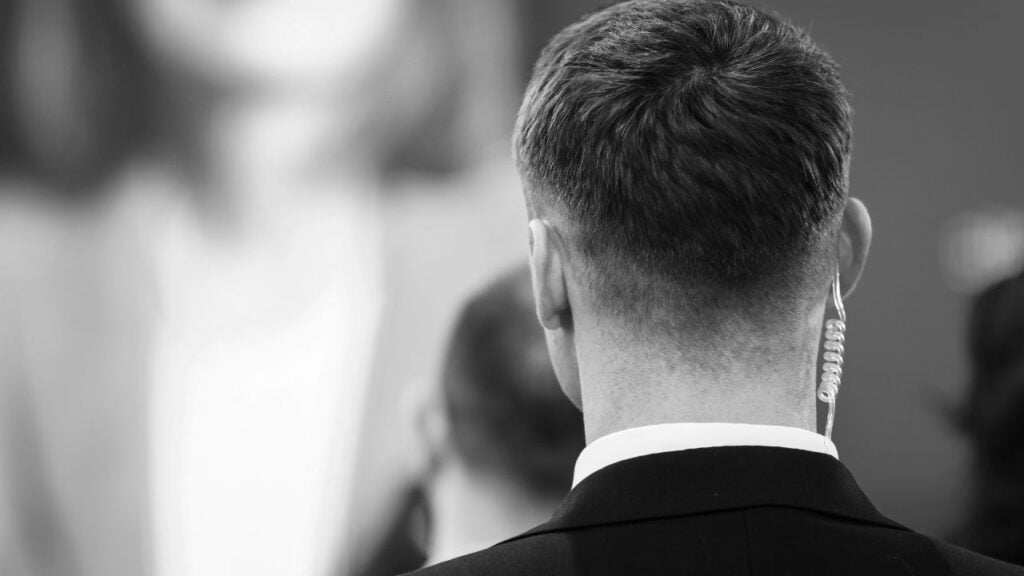
The real job of a Secret Service agent is way more complicated than the movies let on, and a lot of what agents actually do has nothing to do with jumping in front of bullets.
12 Things Secret Service Agents Do That Aren’t What You Think
