
13 Secret Service Quirks Floridians Have No Clue About

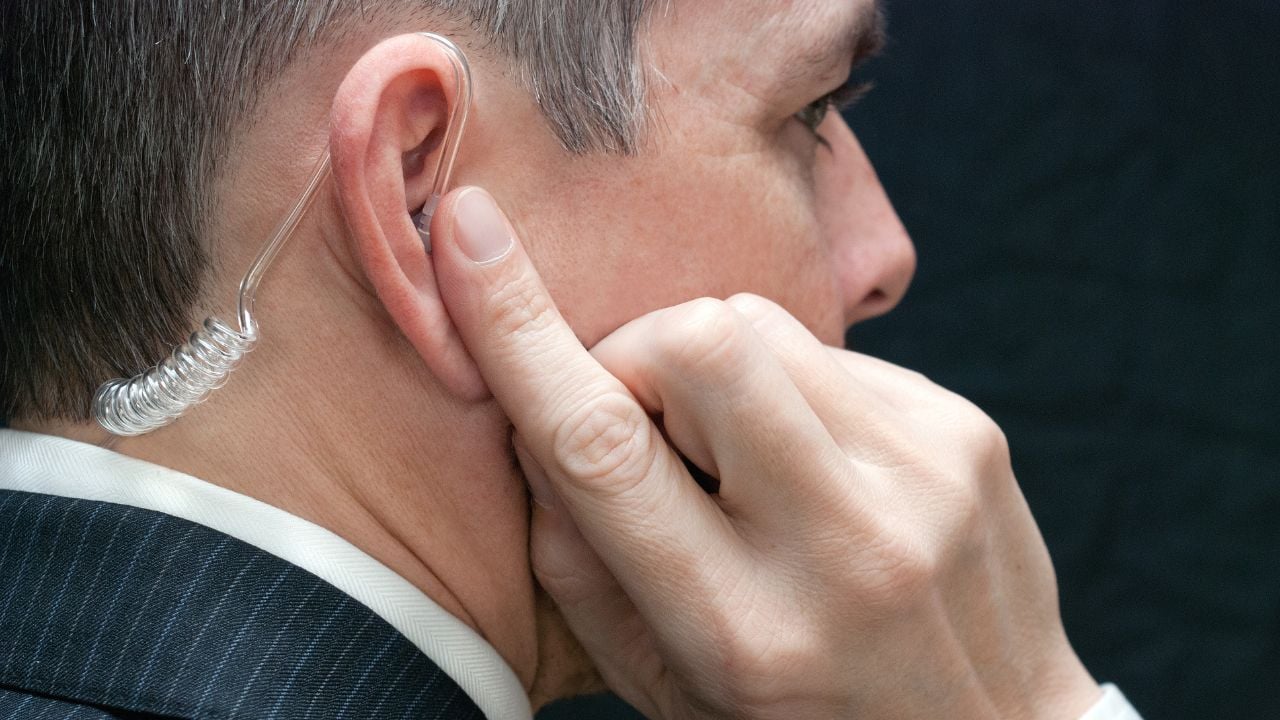
Mention the Secret Service and many Floridians picture the same thing: a wall of serious men and women in suits, murmuring into their sleeves while protecting the president.
That image is real, but it barely scratches the surface.
The Secret Service operates on a set of traditions and rules so peculiar that they feel like fiction.
The truth behind the sunglasses is wilder than you’d guess. Here are the Secret Service quirks Americans rarely hear about.
Agents Carry the President’s Blood on Trips
When the president travels, the Secret Service brings along something most people would never expect: bags of the president’s own blood, kept ready for an emergency transfusion.
The logic is grim but smart.
If the president were injured and needed blood fast, there’s no time to gamble on finding a match. So a supply travels with the entourage at all times.
It goes hand in hand with another rule.
When the president is on the move, they’re never more than about 10 minutes from a trauma center, with routes planned around hospital access.
It’s the kind of behind-the-scenes preparation that reveals just how seriously the agency takes every possible scenario.
Nothing is left to chance.
Everyone Gets a Code Name, Even the Buildings
The president, first lady, kids, vice president, and prominent guests all get code names. Family members often receive names starting with the same letter.
John and Jackie Kennedy were “Lancer” and “Lace.” Ronald and Nancy Reagan were “Rawhide” and “Rainbow.”
It’s not just people, either.
The White House is “Castle,” and the Pentagon goes by “Calico.”
The names began as a security measure for communicating over technology that wasn’t secure.
These days, they’re more tradition than necessity, but the agency keeps the colorful custom alive.
The President Doesn’t Pick Their Own Name Freely
Here’s a wrinkle in the code name tradition that surprises people. The president doesn’t just invent whatever code name they want.
The White House Communications Agency hands the incoming president a list of pre-approved choices, and they select from that menu.
Other family members then get names sharing the same first letter.
A Secret Service spokesperson once said the names shouldn’t be read into too deeply, since they’re pulled together on what amounts to whim for the candidate to choose from.
The Code Names Aren’t Even Secret
For names meant to be confidential, Secret Service code names are some of the worst-kept secrets in Washington.
They leak constantly, turning up in government filings, slipping out through news sources, or simply getting overheard when an agent says one out loud at a public event.
Modern technology means the names aren’t doing much security work anymore.
JD Vance was revealed as “Bobcat” shortly after joining the 2024 ticket, for instance.
The agency knows this, which is part of why the names have drifted from a security tool to ceremonial tradition.
The “secret” part is mostly for show now.
The Agency Started by Chasing Counterfeiters
The original mission of the Secret Service had nothing to do with protecting anyone.
It was created to fight fake money.
Formed in 1865 as a branch of the Treasury Department, the agency’s first job was cracking down on the rampant counterfeiting threatening the nation’s currency after the Civil War. Guarding the president wasn’t even on the radar.
That changed after President William McKinley was assassinated in 1901, when the Service took on full-time presidential protection.
To this day, the agency still investigates financial crimes like counterfeiting and credit card fraud, a piece of its identity most Americans have completely forgotten.
It’s a crime-fighting outfit as much as a protective one.
Training Includes Spotting Fake Money
Because of that counterfeiting history, Secret Service training looks different from what you’d imagine for a presidential bodyguard.
New agents complete about 11 weeks at the Federal Law Enforcement Training Center covering law, firearms, and defensive tactics, then another 16 weeks in Washington.
That advanced phase includes high-speed driving and physical protection, but also detecting counterfeit money and credit card fraud.
So the same agent trained to take a bullet is also trained to spot a phony twenty.
It’s a reminder that the Secret Service wears two hats at once. Protecting people and protecting the nation’s money have been intertwined in the job from the very start.
The President Is Never Truly Alone
The president is essentially never left completely alone, even inside their own home.
Secret Service agents accompany the president nearly everywhere, from meals to hikes to medical appointments.
The president can’t even meet privately with a doctor without an agent escorting them.
When the president does want solitude, say in the Oval Office, technology fills the gap. Floor sensors and monitoring let agents track movement and detect any threat without standing in the room.
It’s a level of constant watchfulness that would feel suffocating to most people, but it’s the price of the office.
Privacy as the rest of us know it simply doesn’t exist.
Agents Will Take a Bullet, by Choice
Secret Service agents are prepared to give their lives for the president, and they do it voluntarily.
The willingness to step in front of a threat is a genuine, accepted part of the role, not just a movie trope.
Agents train relentlessly for the split-second decisions that could mean sacrificing themselves.
History has proven it real.
During a 1950 assassination attempt on President Truman, White House Police officer Leslie Coffelt was shot three times, and before he died, he returned fire and killed one of the attackers.
That kind of courage is baked into the culture of the agency, a quiet expectation that the people they protect rarely have to think about.
New Agents Start at a Desk
The image of a fresh Secret Service agent immediately guarding the president is pure fiction.
The real path starts with years of unglamorous office work.
New agents typically spend their early years on investigative and field assignments rather than presidential detail.
The journey to the high-profile protective roles can take several years of proving themselves first.
Only after that grind do agents move toward the elite Presidential Protection Division.
So the steely-eyed agent standing beside the president has almost certainly logged long stretches behind a desk and out in the field chasing financial crimes.
The sunglasses come later.
They Rehearse Disasters Before Every Event
Before the president sets foot anywhere, the Secret Service has already imagined everything that could go wrong, in detail.
Ahead of any major event, agents map out and review possible assassination attempts and emergencies, planning responses to scenarios most people would never dream up.
They use specially made training rounds to practice these drills.
The goal is to make the response automatic, so that if the unthinkable happens, no one has to stop and figure out what to do.
This relentless what-if planning is a huge part of why the agency appears so calm in public.
The chaos has already been rehearsed long before the cameras roll.
Agents Keep Their Skills Sharp Constantly
Becoming a Secret Service agent isn’t a one-and-done achievement. The training never really stops.
Agents go through regular skills development on an ongoing cycle, refreshing their abilities every several weeks rather than resting on their initial training.
The standards stay high for the length of a career.
Each agent also carries basic medical training, ready to deliver first aid in a crisis before an ambulance arrives.
It’s a job where complacency could be deadly, so the agency builds in constant practice.
The polish you see in public is the product of nonstop behind-the-scenes work.
Former Presidents Can Decline Protection
While a sitting president can’t refuse Secret Service protection, former presidents have a choice.
A president and vice president in office are required to accept protection, no opting out.
But once they leave, a former president and their spouse can decline lifelong coverage or choose to hire their own private security instead.
It’s a rare bit of personal freedom in a system built around mandatory protection.
Most former presidents keep the coverage, given the lifelong risks of the role.
But the option to walk away from it exists, which catches many people off guard.
The Agency Protects More Than the President
Most people assume the Secret Service guards the president and little else.
The actual protective umbrella stretches much wider.
The agency covers the vice president, former presidents and their spouses, visiting foreign heads of state, major presidential and vice-presidential candidates, and even specific guests the president designates.
Children of former presidents receive protection up to a certain age.
It expanded after tragedy.
Following the 1968 assassination of presidential candidate Robert F. Kennedy, the Secret Service took on the job of guarding candidates.
It once offered Barack Obama protection a year and a half before election day, the earliest ever.
13 Things That Happen Inside Air Force One That Nobody Sees
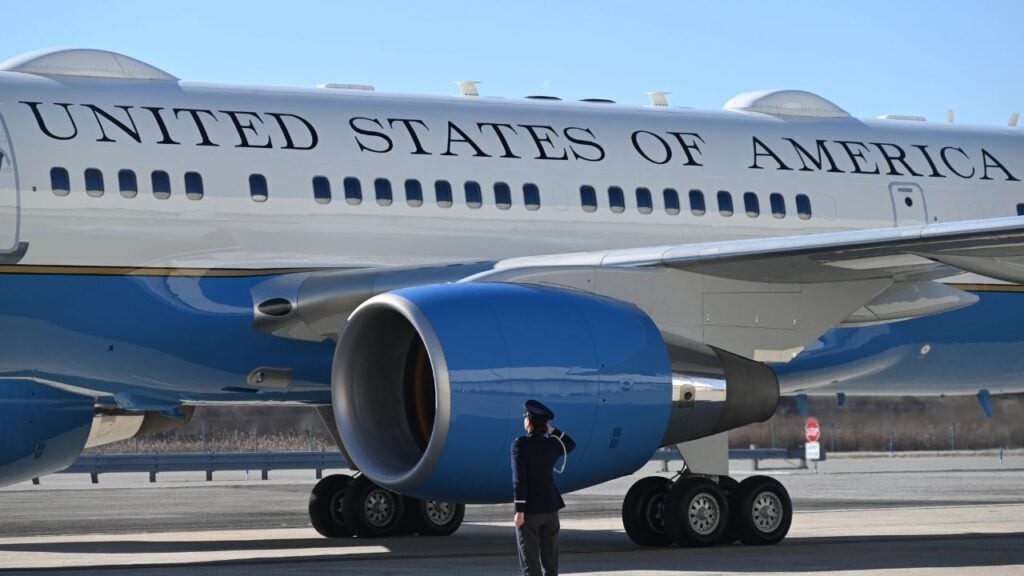
Hollywood has done a number on the public’s idea of what Air Force One is like.
Here’s what really happens on board.
13 Things That Happen Inside Air Force One That Nobody Sees
13 Government Benefits You May Qualify for Without Knowing

Federal and state benefit programs are notoriously bad at promoting what they offer.
These are the government benefits that many Americans qualify for without even realizing it.
