
9 Florida Flood Insurance Facts Homeowners Find Out Too Late, and It’s Painful

Water doesn’t care what your flood insurance policy says.
It rises, it ruins, and then it leaves you reading the fine print you should have read years ago.
So, before the next named storm threatens the Gulf, these are the most common flood insurance facts that catch Florida homeowners off guard.
Note: This is general information, not insurance or financial advice. Coverage, limits, and rules change over time, so confirm the details with a licensed agent or your insurer before you act.
Your Home Policy Skips Flood
Your homeowners insurance almost never covers flood damage.
If there’s damage from fire, wind, or a burst pipe, you’re usually covered. But coverage for rising water from a storm or a canal is a separate policy you have to buy.
Many Floridians don’t learn the difference until they file a claim and watch it bounce back denied.
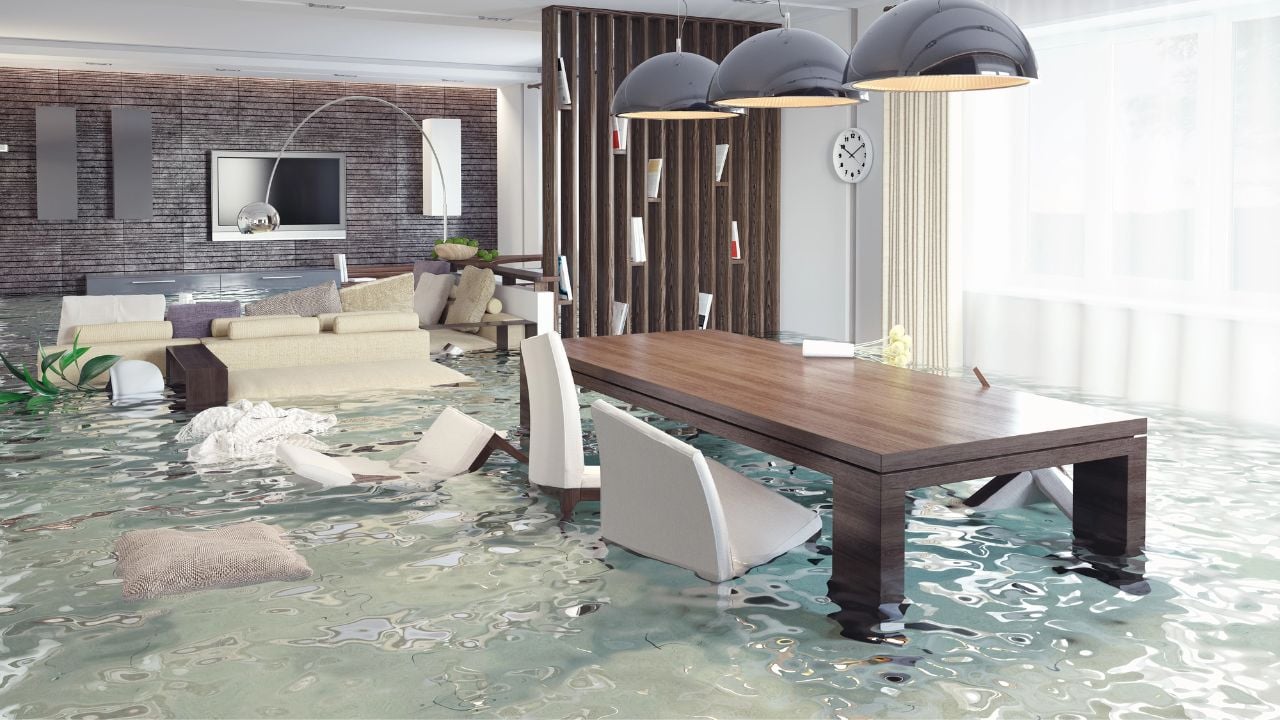
The gap matters because flooding is the most common and costly disaster in the country, and water does a lot with a little.
Just one inch inside your home can run more than $25,000 in damage.
Drywall, flooring, baseboards, and that oak cabinet your spouse loves can be gone in an afternoon.
And the damage doesn’t stop at what you can see. Trapped moisture can breed mold within a day or two.
A flood policy pays to put it all back, which is what makes skipping one in Florida such a gamble.
The 30-Day Trap
A National Flood Insurance Program (NFIP) policy usually takes 30 days to kick in after you buy it.
So when a storm enters the Gulf and you finally decide to get covered, you’re already too late.
That waiting period exists on purpose.
It’s to stop those very people from grabbing coverage only when a named storm is bearing down.
There are a couple of exceptions, like buying flood coverage with a new mortgage or right after a flood map change.
For everyone else, the clock is the rule.
So, buy your flood insurance well before hurricane season, not when the cone of uncertainty points towards your roof.
No Flood Zone, Still Flooded
Plenty of Floridians skip flood coverage because their home sits in a low-risk zone.
That logic has a leak in it.
Almost one-third of flood insurance claims come from outside high-risk areas.
Heavy summer downpours, clogged storm drains, and a canal that overflows don’t check your flood map first.
Flood maps also get redrawn over time.
So, a home that reads low-risk today can land in a tougher zone after the next update.
Some of the worst Florida flood losses in recent years hit homes nowhere near the coast.
Low risk has never meant no risk.
The Payout Caps Out
Even with coverage, the NFIP only goes so far.
A standard residential policy tops out at $250,000 for your building and $100,000 for your contents.
Those are two separate buckets, with separate deductibles you pick when you sign up.
For a lot of Florida homes, especially after years of rising rebuild costs, that ceiling sits below what it would take to make up for your losses.
Many people learn the gap at the worst time, when you’re tallying what the water took and the number stops short.
Say a flood guts a $400,000 house down to the studs.
The federal cap leaves you $150,000 short on the structure alone, before you even count your belongings.
Higher-value homes often need extra coverage stacked on top to close the distance, which is worth pricing out before you ever need it.
Your Stuff Depreciates
This one stings at claim time.
The NFIP pays for your belongings at actual cash value, not what it costs to buy them new.
Translation: that ten-year-old sofa gets valued as a ten-year-old sofa, not a fresh one from the showroom.
Your building coverage runs on replacement cost, but your contents don’t.
There are sublimits to watch, too, with artwork, jewelry, and other valuables often capped at around $2,500, no matter what they’re worth.
Multiply that cut across every ruined couch, rug, and television, and your NFIP check can land far below what you pictured.
No Hotel, No Lost Rent
Picture your home unlivable for two months while it dries out and gets rebuilt.
Where do you stay, and who pays for it?
Not your flood policy.
The NFIP doesn’t cover living expenses. So, those hotel nights, restaurant meals, and rental costs land on you.
If you rent the place out, the lost income isn’t covered either.
After a major hurricane, that missing safety net hits hard.
It’s a gap that blindsides people who assumed flood insurance worked like their homeowners policy. It doesn’t.
Your Flooded Car Isn’t Covered
A storm surge can drown your car in the driveway, but your flood policy looks the other way.
The NFIP excludes self-propelled vehicles, cars included.
The good news is that your auto insurance handles it, as long as you carry comprehensive coverage.
Comprehensive is the optional piece many drivers drop to save money, so plenty of folks find out the hard way that liability alone won’t touch their flooded engine.
The same caution goes for boats, golf carts, and RVs, which carry their own coverage rules.
Check your policy before the next storm, not after.
Premiums Now Read Your Home
The way flood premiums get set has changed, and your bill reflects it.
Under Risk Rating 2.0, the NFIP prices each home on its own traits: distance to water, elevation, first-floor height, and what it would cost to rebuild.
Flood zones no longer drive the price the way they once did.
So, two houses on the same block can pay very different rates.
For many Florida owners, the new math means a climbing premium, though annual increases are capped at 18 percent until the full rate is reached.
The flip side is that mitigation can pay off, since steps like elevating equipment or adding flood vents may trim what you owe.
Read your policy renewal closely instead of assuming this year matches last year.
The NFIP Isn’t Your Only Option
NFIP is a federal program, and it isn’t your only path to flood insurance.
Florida runs the largest private flood market in the country, with carriers that write coverage outside the NFIP.
Many private policies offer higher limits, replacement cost on contents, and even those living expenses the NFIP skips.
Lenders have to accept a qualifying private policy in place of an NFIP one, as long as it’s at least as broad, so you’re free to compare.
Just be sure to weigh the trade-offs.
Private carriers can raise rates or leave the market, and dropping NFIP coverage can cost you a subsidy if you ever come back.
Get quotes from both sides before you commit.
The right fit depends on your home, your budget, and your risk.
12 Florida Tax Breaks That Have Nothing to Do With Your Age

The Golden Girls made Florida look like a place you retire to and finally relax.
But the tax perks down here aren’t waiting for you to hit a certain age.
Some of the biggest breaks land the second you become a resident, whether you’re chasing a pension or a promotion.
12 Florida Tax Breaks That Have Nothing to Do With Your Age
6 States Snowbirds Are Picking Instead of Florida

Florida still wears the snowbird crown, but the grip is loosening.
So where are snowbirds going instead?
The moving data tells the story, and these states keep coming up.
The Moving Trucks Don’t Lie: 6 States Snowbirds Are Picking Instead of
