
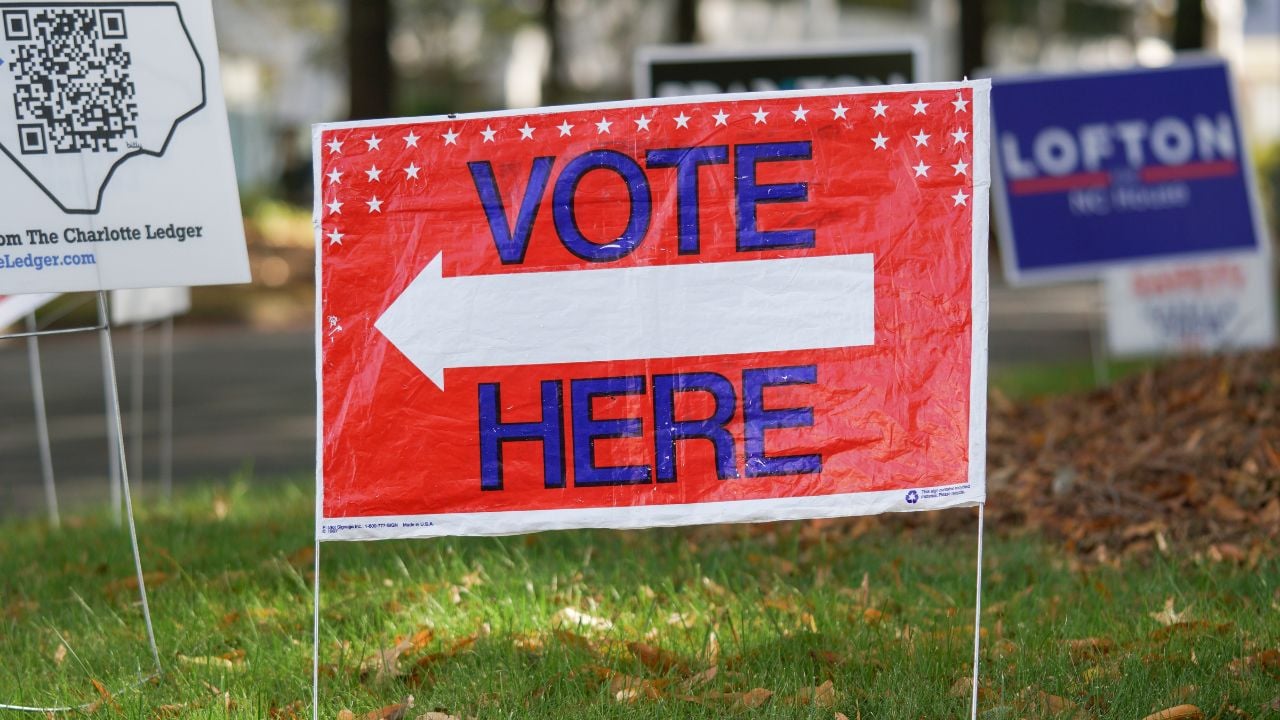
The Electoral College Explained for North Carolinians Who Aren’t Poli-Sci Majors

North Carolinians have never once voted for a president.
Not one of them.
The name you fill in on the ballot at that church fellowship hall in Cary is a stand-in for sixteen people you’ve never met, and those sixteen are the ones who cast the vote.
Here’s the Electoral College explained for North Carolinians who never took the class.
You Don’t Vote for President
The ballot in North Carolina says the candidates’ names, and the ballot is telling you a polite fiction.
You’re picking electors.
A vote for a candidate named on a North Carolina ballot is a vote for that party’s slate of electors, and the state board of elections says so in plain language.
What you’re doing at that precinct in Wilmington is telling North Carolina which set of sixteen people it should send to vote in December.
Everything else is downstream of that.
North Carolina Gets 16
North Carolina’s number comes straight out of Congress, and there’s no mystery in the math.
Two senators plus 14 representatives make 16 electors, and every state runs the same formula.
The number moves.
North Carolina had 15 before the 2020 census, picked up a House seat when the count came in, and walked into the next presidential election with an extra vote in its pocket.
California sits at 54, the smallest states get three apiece, and North Carolina’s 16 puts it in the upper third of the country.
Winner Takes All
North Carolina hands its entire pile of electors to whoever wins the state, and the margin doesn’t matter at all.
Win by 20 points. Win by 300 votes.
Either way, all 16 go to the winner, and the 2.5 million North Carolinians who voted the other way get nothing to show for it in the final tally.
Forty-eight states and Washington, D.C. run it exactly that way, and only Maine and Nebraska split their electors by congressional district instead.
That all-or-nothing rule is why campaign buses keep showing up in Charlotte.
Psst! How much do you know about the Electoral College? Tap through these and see how many you can get right.
Who the Electors Are
North Carolina’s electors aren’t officials, and they aren’t chosen by you.
The parties pick them.
Each party files the names of its sixteen with the North Carolina Secretary of State before the election, and the winning party’s slate is the one that gets to vote.
They’re county chairs, longtime volunteers, retired officeholders, the woman who has run the same precinct in Rocky Mount for thirty years.
It’s an honor, not a job, and nobody draws a paycheck for it.
The $500 Rule
North Carolina doesn’t take a faithless elector lightly, and the statute is blunt about it.
An elector who consented to serve and then refuses to vote for the party’s nominee forfeits $500 to the state, and the Attorney General collects it in Wake County Superior Court.
The money is the smaller half.
Under the same statute, refusing to vote for the nominee counts as a resignation from the office, nobody records the stray vote, and the electors sitting in that room fill the empty seat on the spot.
So a North Carolina elector who goes rogue doesn’t change the outcome. They just leave the building.
When It Happens
The presidential election a North Carolinian votes in every four years is over in November, and the actual election happens in December.
Electors meet in their own states.
The meeting lands on the first Tuesday after the second Wednesday in December, which is the kind of date only a lawyer could love, and North Carolina’s sixteen gather in Raleigh to sign the certificates.
Those certificates travel to Washington, and Congress counts every state’s votes in a joint session on January 6.
Only then is a president elected, no matter what the television said in November.
What 270 Means
Every North Carolinian has heard the number 270, and most have never been told where it comes from.
It’s just half plus one.
There are 538 electors nationwide, so a candidate needs 270 electoral votes to take the presidency, and that majority is the entire finish line.
North Carolina’s 16 is roughly 6% of the way there for whoever wins the state, which sounds small until you notice how few states are ever in play.
That’s the whole reason a candidate will fly into Fayetteville twice in October and never set foot in Wyoming.
If Nobody Gets 270
The Electoral College can end in a tie or a three-way split, and the Constitution has a plan that no North Carolinian will like.
The House picks the president.
Not the whole House, though. Each state delegation gets exactly one vote, so North Carolina’s 14 representatives argue among themselves and produce a single ballot.
Wyoming’s one representative casts a vote that weighs the same as North Carolina’s fourteen.
It has happened twice, in 1801 and 1825, and the country has been arguing about it ever since.
Why North Carolina Matters
North Carolina is one of a small handful of states that can go either way, and that fact is worth more than the sixteen votes themselves.
Forty states are decided in advance.
A campaign knows what California and Wyoming are going to do before a single ad runs, so the money and the candidates pile into the states that don’t know yet, and North Carolina has been on that list for twenty years.
That’s why a North Carolinian gets six mailers a week in October and a cousin in Alabama gets none, and it’s why both parties spend a fortune on Charlotte television.
Sixteen electors, sitting in one room in Raleigh in December, and a whole country planning its year around which sixteen they’ll be.
9 Forgotten North Carolina Laws That Are Somehow Still Legal

How many crimes could a North Carolinian commit before lunch without knowing it?
More than a few, and a couple of them are felonies involving plants.
9 Forgotten North Carolina Laws That Are Somehow Still Legal
10 North Carolina Sayings That Confuse the Rest of the Country

Think you can follow a conversation anywhere in America?
One phrase from a friendly stranger at a Cook Out drive-thru, and you’ll replay it the whole ride home.
10 North Carolina Sayings That Confuse the Rest of the Country
