
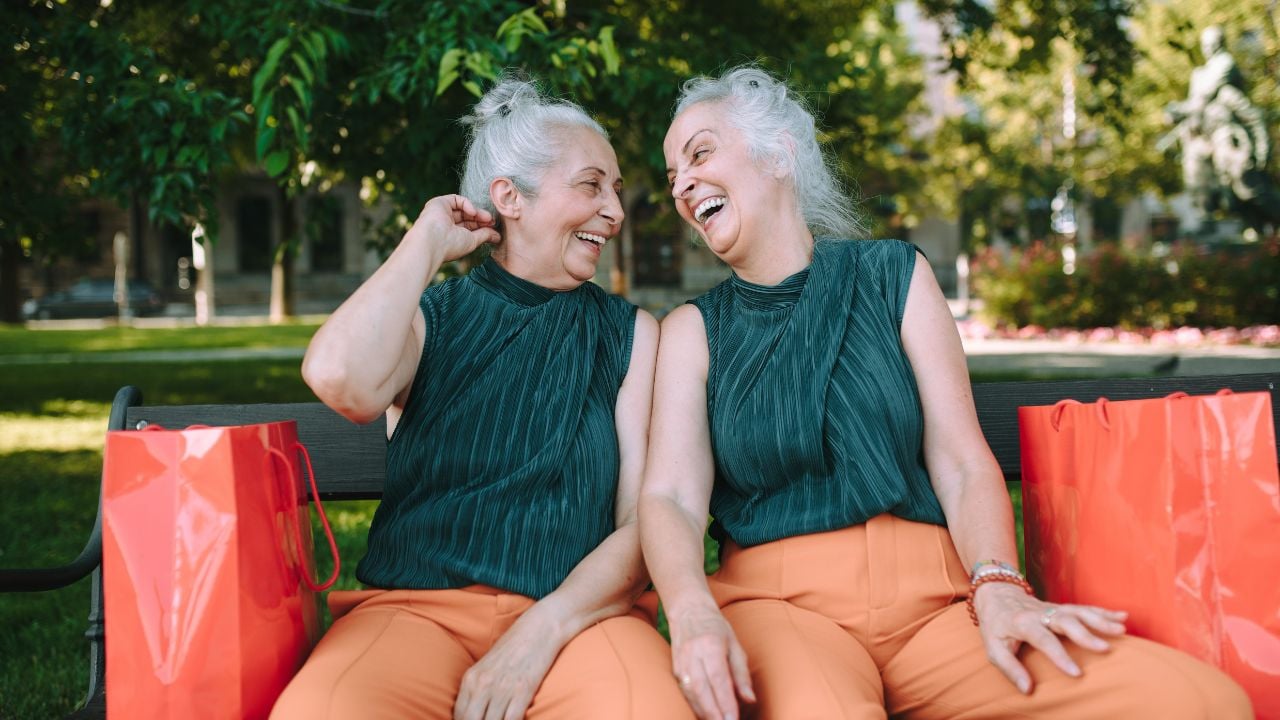
12 Things Florida Boomers Say Without Realizing They’re Offensive Nowadays

Nobody at the clubhouse in The Villages thinks of themselves as offensive.
Florida boomers say please, they hold the door, and yet they still drop phrases that make their kids wince across the dinner table.
These words felt neutral for decades.
So, they’re understandably caught off guard when a younger relative winces.
These are the sayings baby boomers reach for without realizing how the meaning has changed over the years.
1. Gypped
Complain about a bad deal on a used golf cart, and a boomer might say they got “gypped.”
The word comes straight from “Gypsy,” a slur for the Roma, built on the old stereotype that they cheat.
It’s an insult in disguise.
“Ripped off” says the same thing and drags nobody with it.
2. Off the Reservation
When a friend goes rogue on the group cruise plans, the boomer verdict is “off the reservation.”
It sounds like harmless cowboy talk.
The phrase points back to the era when the government forced Native people onto reservations and treated anyone who left as a threat.
“Gone rogue” covers it without the baggage.
3. Spirit Animal
A boomer pointing at a heron on the lanai might joke that it’s their “spirit animal.”
The line reads breezy on a coffee mug.
For many Native nations, though, a spirit being carries deep religious weight, not a favorite-animal punchline.
Younger folks now reach for “vibe” or “patronus” instead and leave the sacred part alone.
4. Indian Giver
A boomer whose neighbor took back a loaned hedge trimmer might grumble about an “Indian giver.”
The insult flips history on its head.
It grew from settlers misreading Native gift customs and from the broken treaties that promised Native land and then took it back.
The takers, oddly, got the slur named after them.
5. Uppity
Describe a snooty new arrival, and a boomer might call them “uppity.”
The word feels generic, like “stuck up.”
But through the Jim Crow years, white Southerners aimed “uppity” at Black people who supposedly forgot their place.
That history is right there.
“Arrogant” does the job with none of it.
6. Powwow
The board wants a quick meeting? A boomer suggests everyone “powwow” about it.
A powwow is a real Native gathering, with ceremony, dancing, and meaning behind it.
Slapping it onto a fifteen-minute chat about pool hours shrinks something sacred into office slang.
“Let’s huddle” says the same thing.
Psst! How much do you know about where America’s everyday sayings come from? Take our quiz and see if you can ace it.
Quiz
American Slang Origins
Test yourself on where America’s everyday sayings came from. We bet you can’t get them all right. Prove us wrong?
The word “OK” started out as what?
7. Oriental
A boomer describing a neighbor might land on "Oriental," meaning it kindly.
The word works for a rug, not a person.
It makes Asian people sound exotic and far away, which is why "Asian" replaced it decades ago.
Congress struck it from federal law in 2016.
The government moved on before the clubhouse did.
8. Eskimo
Boomers grew up on "Eskimo" everything, from ice cream bars to kisses.
The trouble is the label came from outsiders, not the people it named.
Many Inuit and Alaska Native people find it dismissive and prefer their own nation's name.
The ice cream brand behind Eskimo Pie renamed itself Edy's Pie in 2020.
9. Midget
A boomer telling a story might describe a short adult as a "midget," thinking it's a plain description.
It isn't.
Little People of America calls it the m-word, a slur rooted in the era when sideshows put people with dwarfism on display.
"Little person" or "person with dwarfism" is the wording the community asks for.
10. Spaz
A boomer who fumbles their keys at the mailbox might laugh and call themselves a "spaz."
Sounds like nothing here.
The word comes from spastic, tied to cerebral palsy, and across Britain it lands as a genuine slur.
Here, younger people hear the ableist root loud and clear.
11. Colored
An older Floridian recalling the past might say "colored people" the way everyone said it back then.
The term belongs to the segregation era, painted on water fountains and waiting rooms.
Flip the words to people of color, and you land on the phrasing folks use today.
Same three words, opposite feel.
12. Senile
Aging comes up a lot in Florida, and one word for it aged badly.
Calling someone "senile" once passed for a medical description.
Now it reads as a jab at getting old, and it isn't accurate either.
Memory changes have real names.
Doctors traded "senile" for terms that describe what's happening, like dementia or plain cognitive change.
So "senile" now lands as a blunt catch-all, while "dementia" and "cognitive decline" name the actual change.
15 Dead Giveaways That Someone Just Moved to Florida
You can spot a brand-new Floridian without asking where they came from.
It shows up in how they dress, how they drive, and what makes them flinch the second the sky turns gray.
15 Dead Giveaways That Someone Just Moved to Florida
10 Things Northerners Say Their First Week in Florida That Give Them Away
A fresh tan and a pair of flip-flops won't hide a thing.
The wrong word for a screened back porch gives a northerner away before the first week is out.
10 Things Northerners Say Their First Week in Florida That Give Them Away
