
7 Florida Roadside Attractions Locals Still Pull Over For (and 5 They Drive Past)

Florida practically invented roadside tourist traps, and locals stopped visiting most of them years ago.
Some of these old stops still earn the brake lights. Others survive almost entirely on out-of-state curiosity and a good billboard.
These are the Florida roadside attractions locals still pull over for, and those they wave past at 70 miles an hour.
1. Weeki Wachee Springs
Weeki Wachee Springs still runs the underwater show that made it famous, and Floridians grew up on it.
Newt Perry opened the roadside spring in 1947, teaching swimmers to breathe from hidden air hoses so they could dance in the current for a crowd.
The seats sit below the waterline.
You watch through a wall of glass while performers glide over water so clear it looks fake.
The state took it over in 2008 and folded it into a park, so you also get a swimming beach and a lazy river with the visit.
Generations of Floridians took a school field trip here, and many still go back as adults.
2. Coral Castle
Coral Castle sits just south of Homestead, and it’s the strangest thing a heartbroken man ever left behind.
Edward Leedskalnin, a Latvian immigrant barely five feet tall, carved 1,100 tons of oolite limestone by himself after his fiancee called off their wedding.
By hand.
He worked mostly at night, moved multi-ton blocks with homemade pulleys, and never told a soul exactly how he did it.
There’s a nine-ton gate a child can push open with one finger, a stone table shaped like the state of Florida, and a rocking chair that weighs more than a car.
Tourists want a spooky mystery. Floridians just respect the sheer stubbornness of it.
3. Bok Tower Gardens
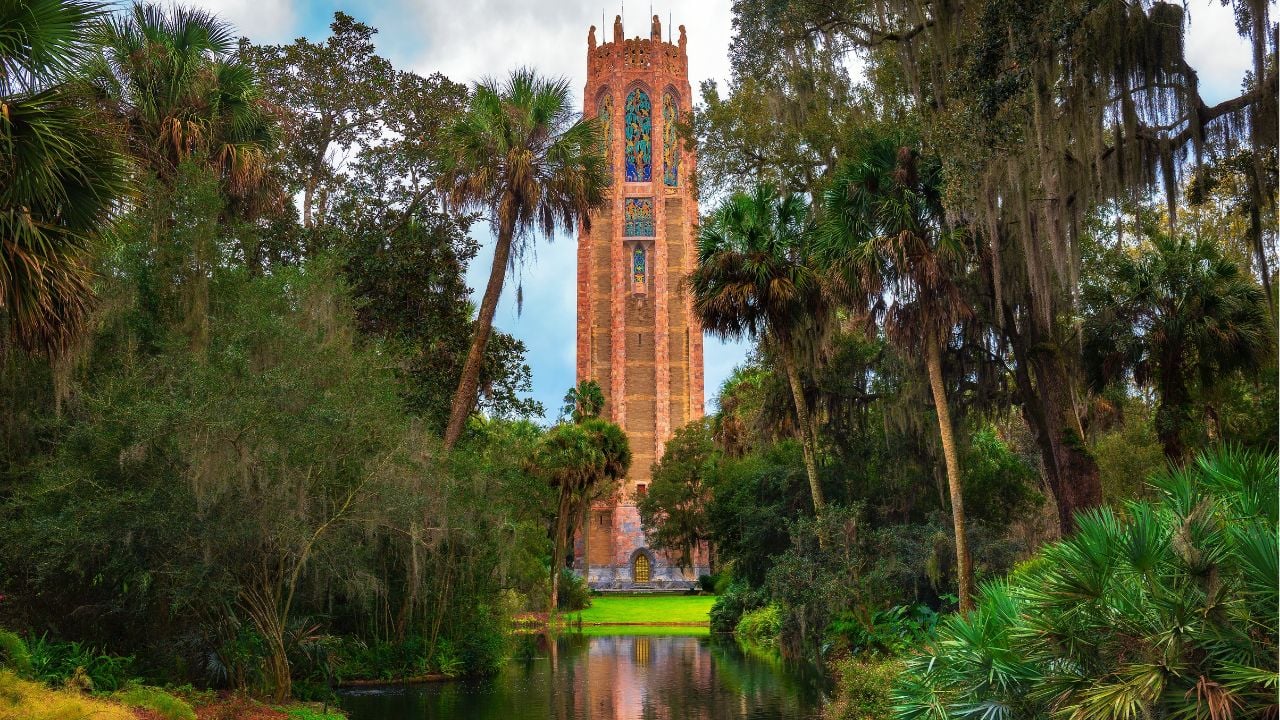
Bok Tower Gardens trades the roadside kitsch for something Floridians show off to out-of-town guests.
On one of the highest hills in peninsular Florida, a 205-foot marble and coquina tower holds a 60-bell carillon that rings out over the gardens.
Real bells, played live.
Edward Bok, a magazine editor, built it as a thank-you to the country that took him in, and he had President Coolidge dedicate it back in 1929.
Frederick Law Olmsted Jr. shaped the gardens around it, all live oaks, azaleas, and a mirror-still reflecting pool.
It’s a National Historic Landmark now, and the carillon still plays every single afternoon.
4. Spook Hill
Spook Hill costs nothing, takes five minutes, and has baffled Lake Wales drivers for generations.
You roll up to a painted line at the bottom of a low hill, shift into neutral, and let go of the brake.
The car rolls uphill.
It’s a gravity hill, an optical illusion where the slope only looks like it climbs, but knowing that never kills the fun.
Local legend blames a Native American chief who fought a giant alligator here, or a couple of buried pirates, depending on who’s telling the story.
The spot landed on the National Register of Historic Places in 2019.
Kids lose their minds over it. So do their parents.
5. Skunk Ape Research Headquarters
The Skunk Ape Research Headquarters sits on the Tamiami Trail in Ochopee, deep in the Everglades, and it’s exactly as ridiculous as it sounds.
The skunk ape is Florida’s homegrown Bigfoot, a hairy, foul-smelling swamp creature that Dave Shealy has spent his life insisting is out there.
Real or not.
Out front sits a gift shop stuffed with skunk ape T-shirts and grainy photos, and out back a small animal sanctuary with snakes and rescued gators.
It’s the kind of place road-trippers find by accident and talk about for years.
Some drivers honk and keep going, and some pull in to buy the T-shirt.
6. Cassadaga
Cassadaga is a whole town that runs on talking to the dead, and it’s been at it longer than Florida has had theme parks.
The Southern Cassadaga Spiritualist Camp got its charter in 1894, founded by a traveling medium named George Colby, and people call it the Psychic Capital of the World.
No neon, no gimmicks.
You walk the shady streets, book a reading with a certified medium, or just tour the historic camp and the bookstore.
The whole district sits on the National Register, and mediums still live and work in the little wooden cottages.
Skeptics drive through for a laugh. Curious Floridians make an afternoon of it.
7. Solomon’s Castle
Solomon’s Castle rises out of the swamp near Ona, an hour from anywhere, shining like a giant tin can.
Howard Solomon built the 12,000-square-foot castle over decades and covered the outside in thousands of discarded aluminum printing plates, so it flashes in the sun.
Salvaged junk, all of it.
Inside are hundreds of his sculptures and puns welded from car parts, oil drums, and bike chains, next to stained-glass windows he cut himself.
There’s a restaurant shaped like a Spanish galleon parked in the moat, which he named the Boat in the Moat.
Solomon died in 2016, but his family keeps the gates open from fall through midsummer.
It sits far enough off the highway that finding it feels like a small victory.
Psst! How much do you know about Old Florida’s roadside history? Take our quiz and see how many you can get right.
Quiz
Old Florida Road Trip
Answer these on Old Florida’s roadside oddities. We bet you can’t get them all right. Prove us wrong?
Florida’s very first tourist attraction, drawing Northern visitors right after the Civil War, was built around what?
The Stops Locals Drive Past
Not every roadside attraction earns the brake lights, and Floridians keep a mental list of the stops they leave to the rental cars.
1. Ripley's Believe It or Not
Ripley's Believe It or Not in St. Augustine has the history to win over locals, and it still isn't a local favorite.
It opened on Christmas Day in 1950 as the first permanent Ripley's Odditorium, tucked inside Castle Warden, an 1887 mansion locals swear is haunted.
Great building.
Inside sit shrunken heads, a portrait made of burnt toast, and the same carnival of oddities that plays in every Ripley's from here to Wisconsin.
The mansion is genuine Old Florida. The exhibits could be anywhere.
So St. Augustine locals point visitors toward the door and stay home.
2. Fountain of Youth
The Fountain of Youth Archaeological Park leans on a legend most Floridians quit buying years ago.
The pitch is that Ponce de Leon landed here in 1513 hunting the spring that keeps you young, and you can still sip the sulfur-heavy water from a little cup.
It tastes like eggs.
The park does sit on a real archaeological site with peacocks, a cannon firing, and a rebuilt native village, so it isn't pure hokum.
But at nearly $23 a head, many locals decide the magic water can wait.
Most locals figure the legend is worth hearing once and skipping after that.
3. Dinosaur World
Dinosaur World sits right off Interstate 4 in Plant City, a field of life-size concrete dinosaurs staring out at the traffic.
There are nearly 200 of them, painted in colors no dinosaur ever wore, scattered along a shaded walking path.
No rides, no animatronics.
You get a fossil dig, a gem-mining sluice, and enough photo ops to fill a phone, which is more than enough with little kids in the car and an hour to fill.
It opened in 1998 and hasn't changed much since, which is either the charm or the problem.
Families with small kids stop. Everybody else waves at the T. rex and keeps rolling toward Tampa.
4. Florida Citrus Tower
The Florida Citrus Tower has stood over Clermont on U.S. 27 since 1956, back when this was all orange groves as far as you could see.
You ride an elevator 226 feet up for a view that used to be a solid sea of citrus.
The groves are mostly gone.
Hard freezes in the 1980s pushed the citrus industry south, so today the observation deck looks out over rooftops, highways, and subdivisions.
There's a gift shop and a coffee counter at the base, and the tower itself is a true 1950s roadside relic.
You climb it for the view, and these days that view is mostly Central Florida sprawl.
5. Old Town
Old Town in Kissimmee is a quarter-mile strip of shops, a Ferris wheel, and a go-kart track wedged onto U.S. 192 near the parks.
It opened in the 1980s as a nostalgia stop, all brick pavers and old-timey storefronts, and for years it was a solid rainy-day detour.
Then the parks got bigger.
Many of the rides and shops have come and gone, and some regulars say it's lost a step, though the strip still draws a crowd on weekend nights.
What keeps it alive is the car show.
Every Friday and Saturday night, hundreds of classic cars roll in for a free cruise down the main drag, and that's the part locals turn out for.
So a Central Florida gearhead skips the go-karts, parks a restored Chevelle by the curb, and spends the evening talking shop with strangers who did the same.
7 Florida Beaches Locals Skip (and 4 They Drive Hours To Reach)
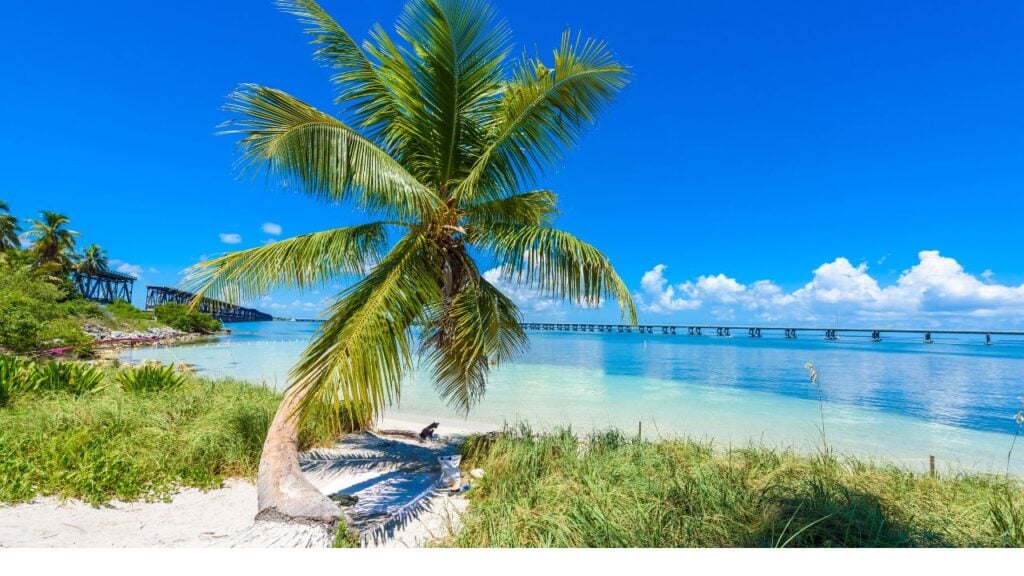
A family from Idaho circles the same beach parking garage for the third time while, two exits south, a Floridian unfolds a chair on empty sand.
The most crowded sand in Florida is rarely the sand locals choose, and the best stretches are worth a long drive.
7 Florida Beaches Locals Skip (and 4 They Drive Hours To Reach)
5 Florida State Parks Locals Skip (and 4 They Visit Again and Again)
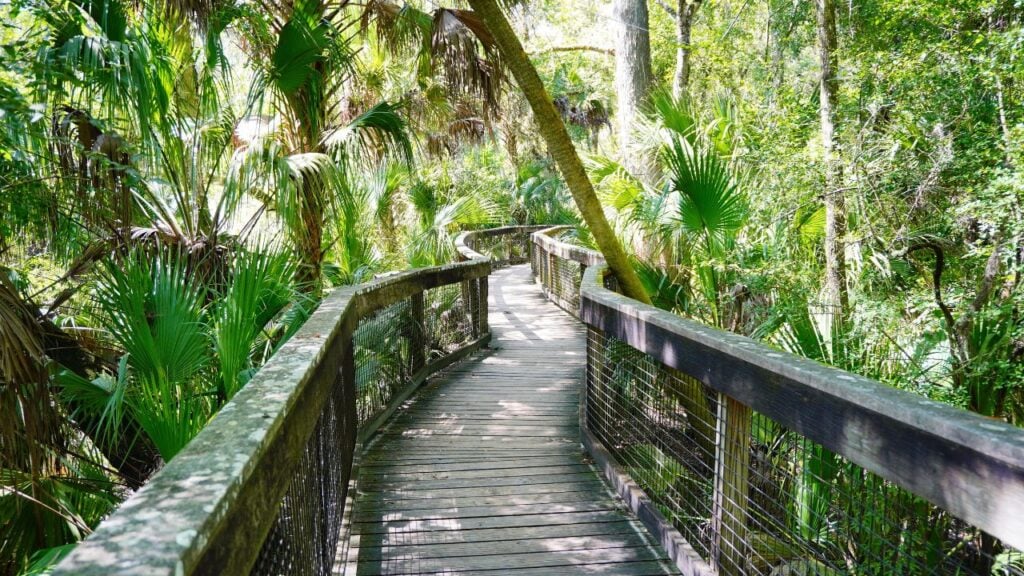
A Florida state park can have clear water, white sand, and a parking lot that filled up two hours before you rolled out of bed.
Floridians know which gates to skip and which back-road springs and trails pay off every time.
5 Florida State Parks Locals Skip (and 4 They Visit Again and Again)
