

11 Things North Carolinians Say That Confuse the Rest of the Country

In the North Carolina high country, the word “boomer” has nothing to do with anybody’s age.
That’s the kind of mix-up waiting on you from Cherokee County to the Outer Banks.
These are the sayings North Carolinians toss around that stop the rest of the country cold.
Tar Heel
North Carolina once produced more tar, pitch, and turpentine than anywhere else in the country, boiled out of its pine forests for the shipping trade.
All that sticky work left behind a name.
During the Civil War, soldiers from other states threw “Tar Heel” at Carolina troops as an insult.
The troops kept it.
They wore the jab as a badge, and in 1864 Governor Zebulon Vance greeted his men as “Fellow Tar Heels.”
Today it’s the warmest label in the state, stitched on caps, stuck on bumpers, and cheered inside the Dean Dome.
Call somebody a Tar Heel, and they’ll thank you for it.
Cheerwine
“You want a Cheerwine?” is a normal thing to hear in Salisbury before noon.
The name throws people.
It promises wine and pours out a cherry soft drink, dark as burgundy and fizzier than most.
A syrup salesman sold the recipe to L.D. Peeler back in 1917, and Peeler named it for the color and the taste and left the wine out.
You’ll spot it in glass bottles, at Cracker Barrel, and floated over vanilla ice cream in summer.
Livermush
Pork liver, cornmeal, and spices, pressed into a loaf and fried until the edges crisp.
That’s livermush.
The foothills claim it as breakfast, from Shelby over to Lincolnton, sliced thick and laid in a biscuit with mustard.
Shelby throws it a yearly festival, eating contest and beauty pageant included.
The word gives away every ingredient, which is what makes a first-timer set down the fork.
Don’t knock it.
Down East
Tell a Carteret County fisherman you’re headed Down East, and he’ll ask which part.
To him it names a place, not a direction.
Down East is a string of fishing villages east of Beaufort, out past the North River bridge toward Harkers Island and Core Sound.
Think Otway, Smyrna, and Sea Level, where families have shrimped and crabbed for generations.
A New Englander hears the phrase and pictures Maine.
That’s the wrong coast.
Toboggan
The word “toboggan” carries two meanings, and the South kept the warmer one.
Everywhere else, it’s a sled.
In the mountains around Boone, a toboggan is a knit winter hat, the thing the rest of the country calls a beanie.
Sledders used to pull knit caps on for the cold, and over time the word stuck to the hat instead of the sled.
Ask for a toboggan in Minnesota, and somebody hauls one out of the garage.
Nabs
Grab a snack at a country store off the highway, and somebody might hand you a pack of nabs.
They mean crackers.
Nabs are those little orange peanut butter cracker sandwiches, sealed in cellophane and sold by the pack.
The nickname traces to a Nabisco cracker from the 1920s, but the packs on Carolina shelves come from Lance, a company that started in Charlotte.
For decades, a pack cost a nickel, grabbed with a bottled drink for a working lunch.
Call them nabs north of Virginia, and you’ll get a blank look.
Buggy
At a Harris Teeter in Charlotte, the metal cart by the door goes by another name.
It’s a buggy.
Shoppers grab a buggy, steer it through the aisles, and leave it stranded in the parking lot like everybody else.
Nobody says cart.
To a Northerner, a buggy is a horse-drawn wagon or a baby stroller.
To a Tar Heel, it holds the groceries.
Psst! How much do you know about North Carolina? Take our quiz and see if you can ace it.
Quiz
Tar Heel Trivia
Answer nine questions on North Carolina’s food, firsts, and famous spots. See how many you can nail.
Which soft drink was invented in New Bern, North Carolina, back in 1898?
Boomer
Up in the high country, somebody points at a pine and says "there's a boomer."
They don't mean a retiree.
A boomer is the mountain red squirrel, small and loud, forever chattering at whatever climbs its tree.
Old-timers around the Blue Ridge and the Smokies have used the word for generations.
Everybody else hears "boomer" and pictures a whole generation.
Cook Out Tray
Cook Out opened in Greensboro in 1989 and made the drive-thru tray a Carolina staple.
Order a tray.
That means one main dish, two sides, and a drink, all for pocket money.
The main can be a burger, a barbecue sandwich, or chicken tenders, and the milkshake menu alone runs to dozens of flavors.
Regulars ask for "a Cook Out tray" like it needs no translation.
Dingbatter
"Dingbatter" is what the folks on Ocracoke call you the moment you roll off the ferry.
That's you, the outsider.
On the Outer Banks, a dingbatter is a nonnative, a tourist, anybody not born to the island.
Islanders coined it in the 1970s, borrowing "dingbat" from Archie Bunker on television.
The word belongs to the old island brogue, the "hoi toider" way of talking that bends "high tide" into "hoi toide."
Hear it aimed your way, and the locals have already placed you.
Sigogglin
Watch a carpenter around Sylva eye a crooked shelf, and you'll hear it called sigogglin.
The shelf's not straight.
Sigogglin means cockeyed, leaning off true, a word you'll catch around the Smokies.
Down on the coast, the same idea comes out as cattywampus or whopperjawed.
A porch step can be sigogglin, and so can a fence line, a picture frame, or a whole day gone wrong.
Tell a friend from Boston their bookshelf looks sigogglin, and they'll ask if that's a good thing.
It isn't, but the word is.
12 North Carolina Surprises Visitors Never See Coming
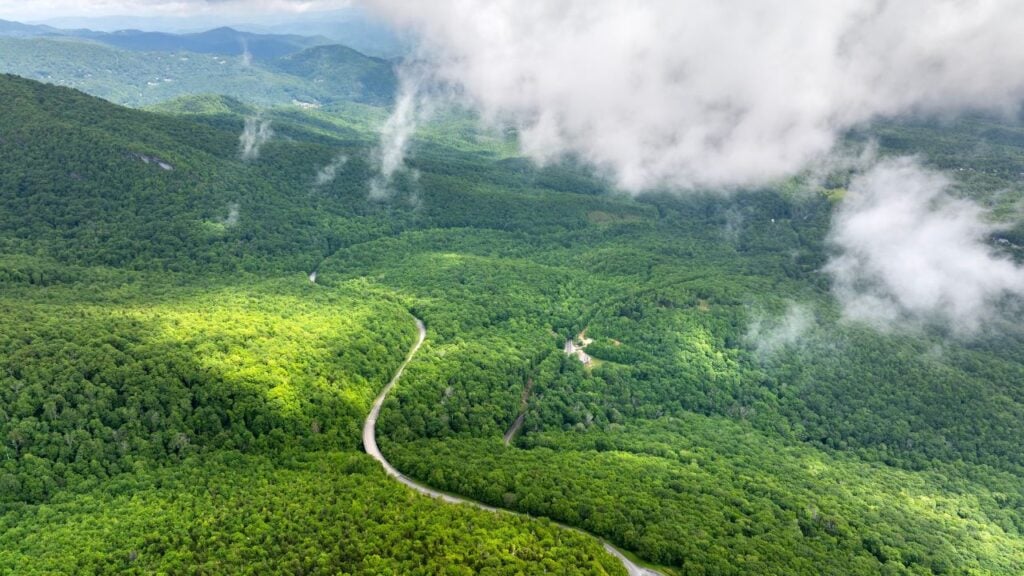
You can spend a whole weekend on the North Carolina coast and still miss what makes the state tick.
Between Charlotte's skyline and a ferry line out on NC-12, the best surprises hide in plain sight.
12 North Carolina Surprises Visitors Never See Coming
10 Things North Carolina Kids Did Every Summer That Wouldn't Fly Today
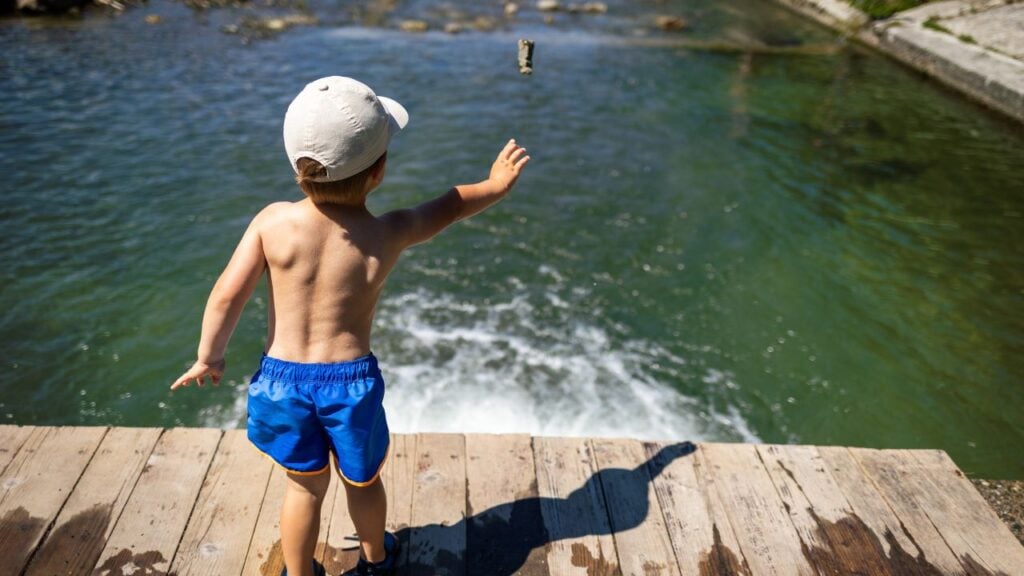
The screen door slapped shut at 8 a.m., and nobody saw you again until the streetlights buzzed on.
No phone, no helmet, no plan, and it still counted as an ordinary Wednesday.
10 Things North Carolina Kids Did Every Summer That Wouldn't Fly Today
