
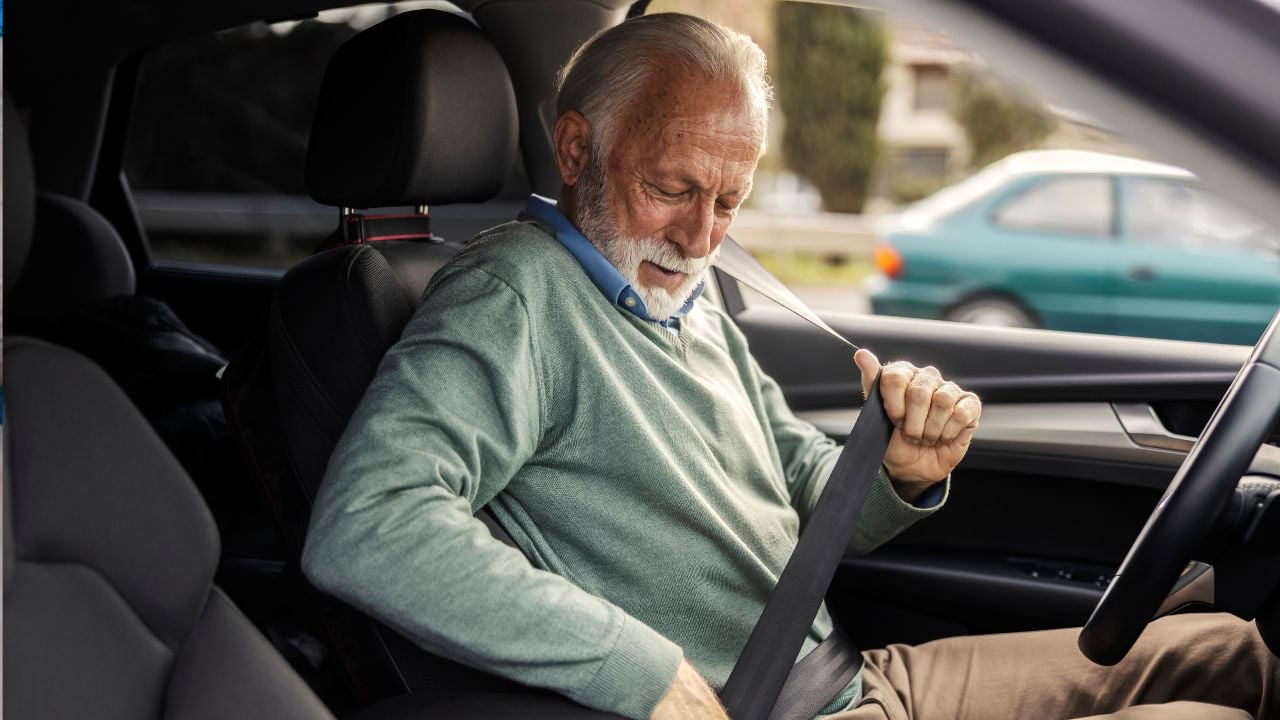
7 Things That Change at the Florida DMV After You Turn 80

Turning 80 in Florida doesn’t cost you your driver’s license.
But it does change the terms.
The state that lets younger drivers renew online for years starts asking its oldest drivers to prove a few things in person. It also points them toward a discount many never claim.
These are the things that change at Florida’s DMV after you turn 80.
Note: This is general information, not legal advice. License rules, fees, and forms are subject to change, so confirm the current details with the Florida Department of Highway Safety and Motor Vehicles (FLHSMV).
1. Your Renewal Clock Speeds Up
For most of your driving life, a Florida license runs on an eight-year clock.
You renew, you tuck the card in your wallet, and you barely think about the DMV again until another election has come and gone.
That changes at 80.
Once you hit 80, Florida shortens the renewal cycle to six years, so your card expires sooner than the one your 60-year-old neighbor just picked up.
That’s nearly two extra trips to renew each decade.
Florida still mails a renewal notice before your birthday, so you won’t miss the date.
The window between them just gets shorter.
2. Your Eye Exam Becomes Routine
Florida checks your eyes more closely than almost anything else on your driving record.
Before 80, many Floridians renew online and go years without reading an eye chart at the counter.
At 80, the vision test comes back for good, at every renewal, with no skipping it.
You can take it free at a driver’s license service center, or have your own eye doctor run it and send in the Mature Driver Vision Test form.
If your own doctor handles it, the exam has to fall within a year of your renewal to count.
The bar is 20/70 in either eye, or both together, with or without your glasses.
Come in at 20/50 or worse in one eye, and a specialist has to sign a separate eye-exam form before the state clears you.
Bring your glasses.
3. Renewing Online Gets a Catch
Renewing from your recliner is the whole appeal of Florida’s MyDMV Portal.
Type, pay, done.
At 80, that shortcut only opens once the state already has a passing vision result on file, so the portal checks for it before it lets you pay.
No result on file, no online renewal.
Your first REAL ID card is a separate in-person errand at any age, since the star on the front requires documents a website can’t check.
Miss either step, and you’re back to booking a seat at the service center, which at a county office in season can mean a long wait.
4. Anyone Can Report Your Driving
Here’s the part of the system that catches people off guard: A doctor, a relative, or a sheriff’s deputy can flag your driving to the state, and you never find out who did it.
Those reports are kept confidential.
Once a concern lands, FLHSMV can ask for your medical records, a written test, or a road test with an examiner.
Investigators can interview your doctor, your family, or your neighbors before they decide.
It isn’t automatic, and it isn’t tied to your birthday.
One phone call can start it.
Pass what the state asks for, and you keep your license exactly as it was.
Psst! How much do you know about driving in Florida? Take our quiz and see how many you can get right.
Quiz
Florida Road Rules IQ
Eight questions on driving in the Sunshine State. We bet you can’t get them all right. Prove us wrong?
Before Florida’s 2004 law, an older driver renewing by mail could go up to how many years without an eye test?
5. Your License Can Come With Strings
When Florida has a concern but not a dealbreaker, it doesn't always pull the license.
Sometimes it just adds a rule to it.
A common restriction is already familiar to many drivers: Corrective lenses, required every time you're behind the wheel.
These show up as small letter codes on the front of the card, easy to miss until an officer reads them back to you.
Others go further, like daytime driving only, no interstate highways, an extra outside mirror, or trips limited to work and errands close to home.
Break the restriction printed on your license, and it's not a slap on the wrist.
That's a ticket, and it can cost you the card.
Fine print counts.
6. One Class Can Cut Your Premium
Most of what shifts as you age asks something more of you.
One of these changes can save you money.
Florida law makes auto insurers give a break to drivers 55 and older who finish a state-approved mature driver course.
It's a six-hour accident-prevention class, online or in a classroom, and the discount stays on your premium for three years.
Some drivers knock the whole thing out online in an afternoon.
Finish it, hand the certificate to your insurer, and the savings are mandatory, not a favor.
It's a break you've been able to claim since 55.
Too many drivers reach 80 without ever taking it.
Not every counter trip costs you.
7. When the Keys Become a Card
Florida builds in an off-ramp, and it's an easier exit than most people picture.
When driving stops feeling safe, FLHSMV lets you trade the driver license for a state ID card.
Same counter, new card.
The ID still gets you through airport security, into the bank, and past the front desk at the doctor's office, on the same documents you'd bring for a renewal.
No more eye tests, no more road rules to keep straight, just a card that proves who you are.
Handing over the keys is nobody's favorite errand, but the ID card swap is one of the quicker trips you'll make to the counter.
Same photo line, same documents you'd bring for a renewal. The clerks behind the counter have walked many of your neighbors through the same swap.
12 Things Locals Wish Snowbirds Understood About Driving in Florida
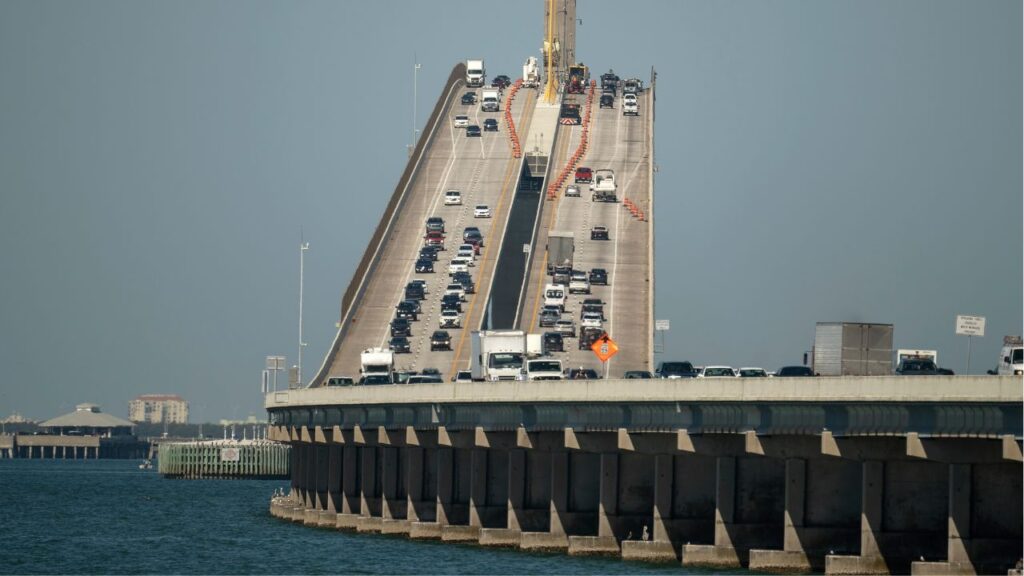
A sedan with Michigan plates drifts toward the toll gantry on the Turnpike, then brakes to a near-stop for nothing at all.
The cameras already read the plate at 70, and the line of cars behind is the real casualty.
12 Things Locals Wish Snowbirds Understood About Driving in Florida
8 Florida Towns Where Retirees Can Live Well Without a Car
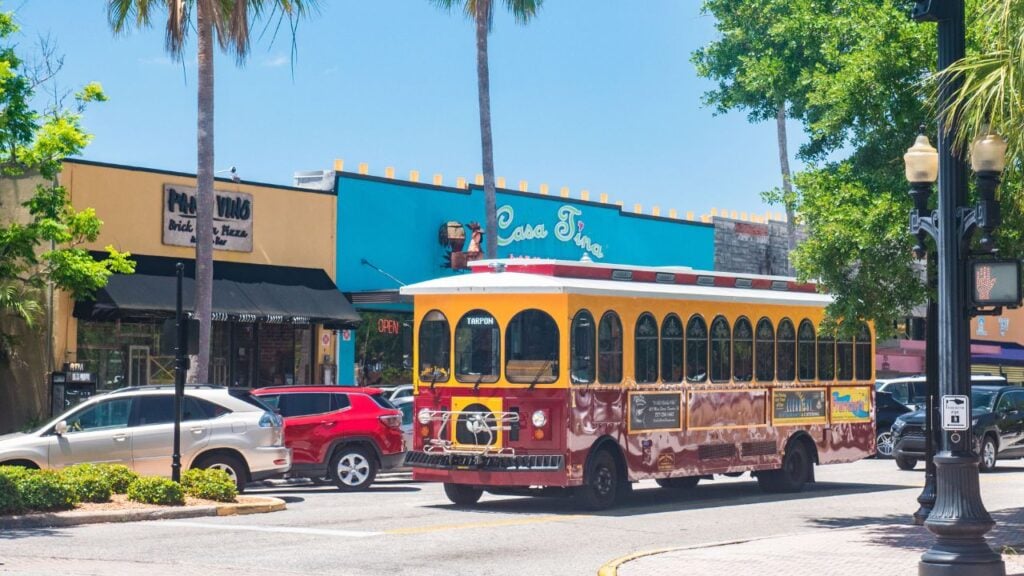
Think you need a car to get around Florida? For most of the state, yes.
But a handful of towns run free trolleys, sit on a 47-mile trail, or park a commuter rail station three blocks from the coffee shop, and the retirees there gave up the keys on purpose.
