
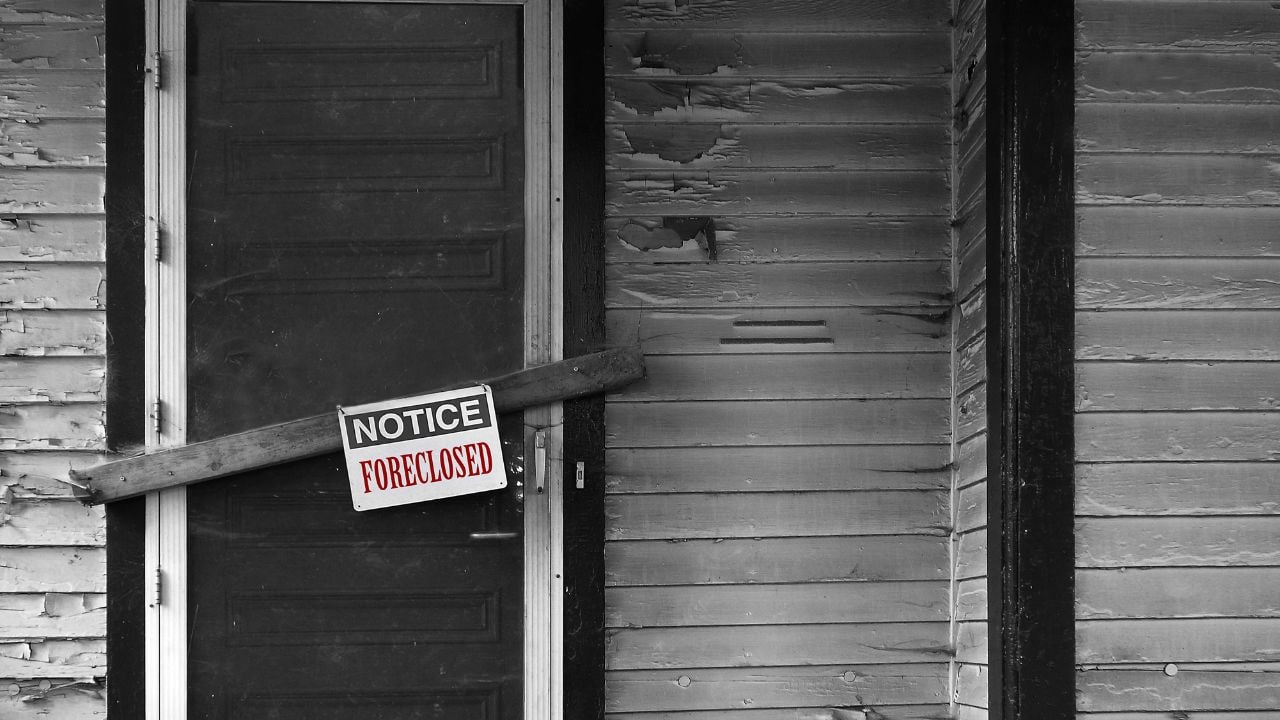
9 Texas Squatter Laws That Leave Homeowners Powerless

Someone moves into your empty house in Austin, and you change the locks to end it.
Now they can drag you into court.
That’s the reality in Texas, where squatters have taken over roughly 475 homes around Dallas-Fort Worth alone, second only to Atlanta.
These are the squatter laws that leave owners holding the deed and little else.
Note: This is general information, not legal advice. Property laws and court procedures are subject to change, so confirm the current rules with a Texas attorney.
1. Ten-Year Clock
Texas gives squatters a legal path to your land, and it starts with a calendar.
Hold property out in the open, use it, and keep at it for 10 years, and the occupant can walk away with the deed.
Ten years.
That’s the baseline version, the kind that needs no deed, no receipts, nothing but nerve and time.
Without a filed deed the claim maxes out at 160 acres, unless the occupant fenced in more than that.
A back pasture nobody rides, an inherited lot outside Lubbock left to the mesquite, a rental you quit driving past after a move.
Those are the parcels where a stranger builds a claim, one year at a time.
Look away long enough, and it isn’t yours.
2. Three Years With a Bad Deed
Ten years is the patient route for a squatter.
There’s a faster route, and it’s the version that keeps property owners up at night.
When the occupant holds a document that looks like title but carries a flaw, the wait drops to three years.
That’s the fast lane.
Lawyers call it color of title, a deed or claim that has a reasonable basis but just doesn’t sit right in the chain of ownership.
A messy tax-sale paper, a botched conveyance, or a claim handed down through a family fight can all wear that label.
So the ranch you meant to sort out someday can change hands before you get around to the paperwork.
3. Paying Your Taxes for You
Squatters get a middle option too, and this route carries a twist that stings.
Occupy under a registered deed, cultivate or use the place, and pay the property taxes on it, and the clock runs just five years.
Read that again.
The person taking your land pays the tax bill while they do it.
A paid Harris County tax receipt in someone else’s name is the kind of thing that makes a judge lean their way.
Watch who’s cutting a check on your parcel, or five years slips by, and it’s legally theirs.
4. Twenty-Five Years, Disability or Not
The longest squatter clock in Texas runs 25 years, and it strips away a protection owners assume they have.
Normally a court pauses that clock for an owner who’s a minor, incapacitated, or away on military service.
Not this clock.
One 25-year statute runs whether or not the owner was ever under a legal disability, so a squatter can run out the clock even against a child who inherited the land.
A separate 25-year rule can even ripen a claim built on a deed that’s void on its face.
Heirs lose land this way, tract by tract, and nobody was watching the family’s back forty.
5. Change the Locks, Get Sued
Find a squatter camped in your empty house, and the gut instinct is simple: Change the locks and set their things on the curb.
Bad idea.
Texas bans self-help eviction, even against someone who showed up with no right to be there.
You can’t lock them out, cut the power, or haul off their belongings to force them gone.
Do it anyway, and an occupant who later claims to be your tenant can drag you into court.
If a judge treats them as a tenant, that payout can run a month’s rent, plus $1,000, plus court costs and attorney’s fees.
So the empty house you own becomes a bill you owe.
Psst! How much do you know about Texas property and tenant law? Take our quiz and see if you can ace it.
Quiz
Texas Property Law IQ
Answer these questions on Texas land, renters, and trespass law. We bet you can’t get them all right. Prove us wrong?
How much land can an urban Texas homestead shield from most creditors?
6. Only the Court Can Evict
Getting a squatter out of a Texas home runs through the courthouse, not your own two hands.
The tool is a forcible entry and detainer suit, filed in the justice of the peace court for your precinct.
You file, you wait for a hearing, and a judge decides who gets the keys.
Under Texas eviction rules, that hearing lands between 10 and 21 days after you file.
A newer law, Senate Bill 38, took effect January 1, 2026, and it tightened that process statewide, curbing the continuances and local add-ons squatters used to lean on for delay.
It's faster on paper.
But that's still two to three weeks of a stranger sleeping in a house you hold the deed to.
7. Three Days for a Trespasser
Even a squatter with no lease and no deed is owed a warning before you can file.
The law requires at least a three-day notice to vacate before you head to court.
Three days.
You can shorten it only if a written agreement says so, which a trespasser obviously never signed.
Deliver the notice wrong, and the case can bounce, so owners tape it to the door and mail it certified to be safe.
Handing a courtesy notice to someone who broke in feels backward.
You hand it to them anyway.
8. When the Police Say Civil
Call the police on a squatter, and officers often shrug and call it a civil matter.
For years they've treated squatting as an owner's private headache, not a crime they'll step into.
It becomes criminal trespass mainly once you've posted notice or told the occupant to leave and they refuse.
Even then, many officers won't make the arrest.
Texas tried to close that gap with Senate Bill 1333, effective September 1, 2025, which lets an owner file a sworn complaint and have a constable remove an unlawful occupant fast.
There's a catch.
The moment the occupant flashes a lease, a rent receipt, or any shred of tenancy, the fast track shuts down and you're back in eviction court.
9. Winning Still Takes Weeks
Win your eviction case in court, and the squatter still doesn't have to leave that afternoon.
The judge issues a writ of possession, but the constable can't post it before the sixth day after judgment.
Then the officer tapes a 24-hour warning to the front door before removing anyone.
Six days, then one more.
And a squatter can appeal to stall it further, as long as they pay the rent into the court's registry.
So the deed in your name and the judgment in your hand still buy you a wait.
Miss the sixth-day mark or botch the 24-hour posting, and the constable won't act, so the squatter gets a few more nights under your roof.
9 Texas Laws Still on the Books That Sound Made Up

Some Texas rules stayed on the books long after the courts, the culture, or plain common sense moved on.
They're still sitting there in black and white, waiting for someone to read the fine print.
9 Texas Laws Still on the Books That Sound Made Up
10 Texas Laws That Catch New Residents Off Guard

Texas welcomes new arrivals warmly, then starts a clock the same afternoon.
Thirty days, and nobody at the closing table thinks to mention it until a trooper on the shoulder of I-35 does.
