
9 Things South Carolinians Do at Sunday Dinner That Baffle Newcomers

A South Carolina Sunday table can hold seven dishes, and the cook still apologizes that there’s “not much.”
Nobody who’s not from around there believes them.
A South Carolina Sunday spread gets built one bowl at a time until the table runs out of room for anything else.
These are the things South Carolinians do at Sunday dinner that catch newcomers completely off guard.
1. Fried Chicken Anchors the Table
Fried chicken remains the meat many South Carolina Sunday tables build around.
Pot roast and baked ham turn up plenty too, but chicken is the one dish nearly every family recognizes as the default.
Whole, cut-up birds fry in cast iron or a deep pot, skin crackling, well before anyone sits down.
Ask why, and many South Carolinians will just shrug.
It’s what Sunday dinner has looked like for generations, standing alongside Hoppin’ John and collard greens as one of the state’s defining home-cooked dishes.
Newcomers who show up expecting a rotating menu get the same answer more Sundays than not.
Chicken again.
2. Rice and Gravy Is a Side
Rice and gravy anchors a portion of the plate at many South Carolina Sunday tables, not potatoes.
It’s a holdover from the state’s rice-growing history, especially around the Lowcountry and the Pee Dee, where rice built entire economies for two centuries.
Rice and gravy earns its spot at meat-and-three counters from Myrtle Beach to Greenville, listed right next to mac and cheese on the menu board.
Nobody argues the point.
Ask for a Sunday plate without rice and gravy, and the server may wonder if something’s wrong.
Newcomers raised on potatoes notice the gap right away.
By the second helping, they usually stop asking.
3. Vegetables Take Over the Table
A South Carolina Sunday table rarely stops at one vegetable dish.
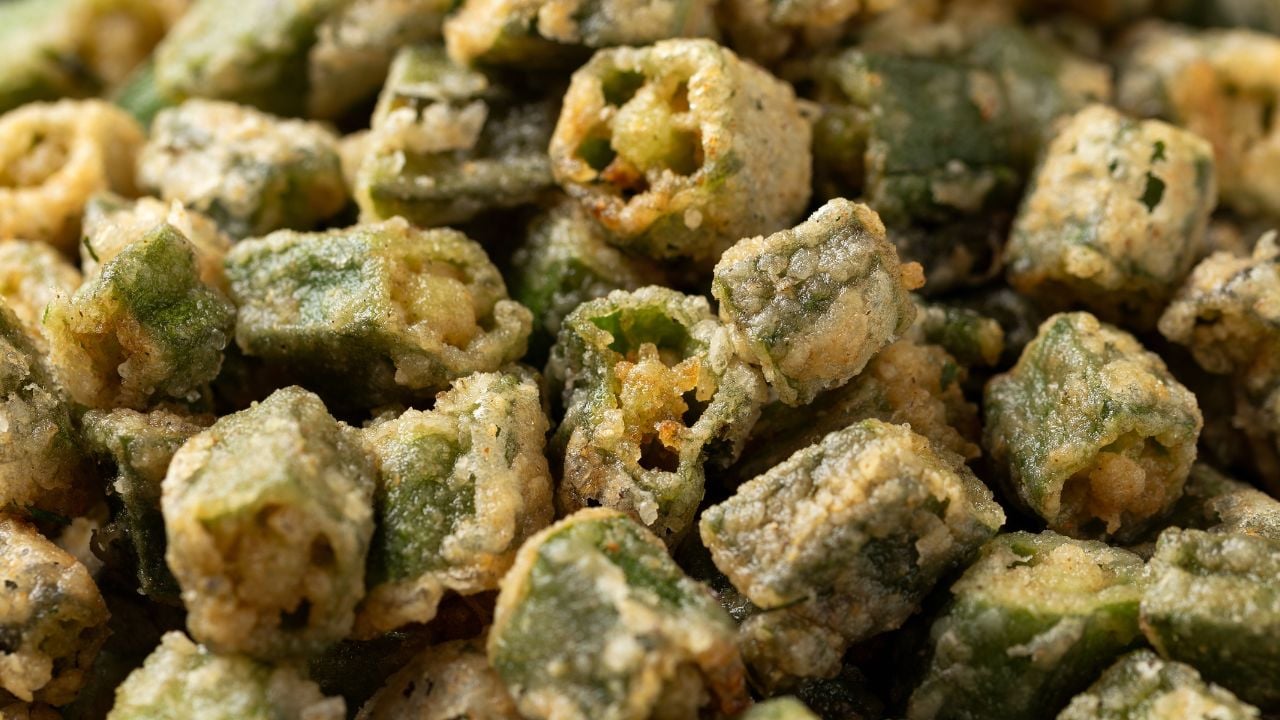
Collards, field peas, squash casserole, fried okra, butter beans, and stewed tomatoes can all show up on the same afternoon, each one treated as its own course rather than a garnish.
That’s the meat-and-three model at work, just moved from a diner counter into somebody’s dining room.
Order the meat, then fill in the rest of the plate.
Upstate kitchens lean toward beans and pork raised close to home, while Lowcountry cooking leans toward okra, tomatoes, and dishes that trace back to West African cooking traditions brought over generations ago.
The bowls keep coming.
Load the plate too early.
There’s no room left when the fourth bowl arrives.
Pace yourself.
4. Grace Comes Before the Fork
Nobody touches a fork at a South Carolina Sunday table until somebody says the blessing.
It doesn’t matter how hungry the table is or how good the fried chicken smells.
Heads bow, hands sometimes link around the table, and everyone stills for a few sentences that thank God for the food and the family gathered to eat it.
About a third of Americans still say grace before meals regularly, and that habit runs deeper in South Carolina’s church culture than in many households elsewhere.
Newcomers who reach for a roll mid-prayer get a look, not a word.
Nobody has to say anything.
The look does the job.
5. Dinner Means Noon, Not Night
Accept an invitation to Sunday dinner in South Carolina, and showing up at 6 p.m. means showing up to an empty table.
“Dinner” means the midday meal in many South Carolina households, especially older and rural families, a holdover from the days when farm families ate their biggest meal right after church and a lighter “supper” once the sun went down.
It isn’t a mix-up.
The custom goes back to when the noon meal fueled a full afternoon of fieldwork, long before anyone worked a nine-to-five.
Ask a South Carolina host what time dinner starts, and 1 p.m. is a completely normal answer.
Show up expecting an evening meal.
The leftovers are the only thing waiting.
Psst! How much do you know about South Carolina’s food history? Take our quiz and see if you can ace it.
Quiz
South Carolina Sunday Table
Answer these questions on South Carolina’s food history and traditions. We bet you can’t get them all right. Prove us wrong?
What ingredient gives Charleston’s she-crab soup its name and its signature orange-pink color?
6. Sweet Tea Is the Only Drink
Ask for water first at a South Carolina Sunday table, and somebody will offer sweet tea again just to make sure you heard the question right.
A gallon pitcher usually sits within reach of every seat, already sweetened before it ever touches ice.
South Carolina grows the stuff, too. Wadmalaw Island, outside Charleston, is home to the oldest tea garden in the country, still growing tea commercially after more than a century.
Unsweetened tea exists, technically.
Many hosts just don't keep it around for a table that never asks for it.
Soda shows up for the kids sometimes, but sweet tea fills the adult glasses from the first pour to the last.
7. Somebody Gets a Plate to Go
Nobody leaves a South Carolina Sunday table until a plate gets set aside for somebody who couldn't make it.
Maybe it's a homebound neighbor, an aunt working a hospital shift, or the pastor who preached three services and never got to sit down.
Fixing a plate is second nature at these tables, wrapped in foil or packed into whatever container was closest, usually returned washed and empty a week later.
That part matters.
An empty container coming back means the food got where it was going.
Head for the door without asking who else needs a plate.
The next invitation comes with a gentle reminder.
8. Banana Pudding Isn't Optional
Dessert at a South Carolina Sunday table almost always means banana pudding, layered with vanilla wafers and never rushed out of the refrigerator too early.
Peach cobbler and coconut cake show up often too, especially with South Carolina peaches in season, but banana pudding is the dessert nobody skips.
The dessert became a fixture of Sunday dinners and family reunions across Black communities in the South well over half a century ago, and the tradition spread from there.
Somebody always claims to have the "real" recipe.
Nobody else at the table agrees.
Newcomers who bring a store-bought dessert instead find out fast that it was a kind gesture, not a replacement.
9. Nobody Rushes From the Table
Nobody clears a South Carolina Sunday table the minute the last bite disappears.
The plates sit, the coffee comes out, and the conversation just keeps going, sometimes for an hour or more after the food is gone.
Kids get sent outside or to another room while the adults keep talking, and a nap on the couch afterward counts as part of the tradition, not a lazy add-on.
A host waves off newcomers who start stacking dishes right away, more than once.
Sit back down.
A South Carolina host takes it as a small insult when a guest heads for the door the second the last dish is empty.
Leave too early, and don't be surprised if the next invitation comes with a joke about your hurry.
7 Things Sitting in South Carolina Garages That Should've Been Tossed Years Ago

A gas can gathering dust in the corner of the garage keeps degrading long after anyone stops looking at it.
It's not the only thing in there turning from useful to risky.
7 Things Sitting in South Carolina Garages That Should've Been Tossed Years Ago
8 Unwritten Rules of South Carolina Fishing Piers Newcomers Break

South Carolina's piers stretch far enough that one angler can be reeling in a king mackerel while another lands a whiting just a few rails away.
The two anglers follow completely different sets of rules, and breaking them earns more than a dirty look.
8 Unwritten Rules of South Carolina Fishing Piers Newcomers Break
