
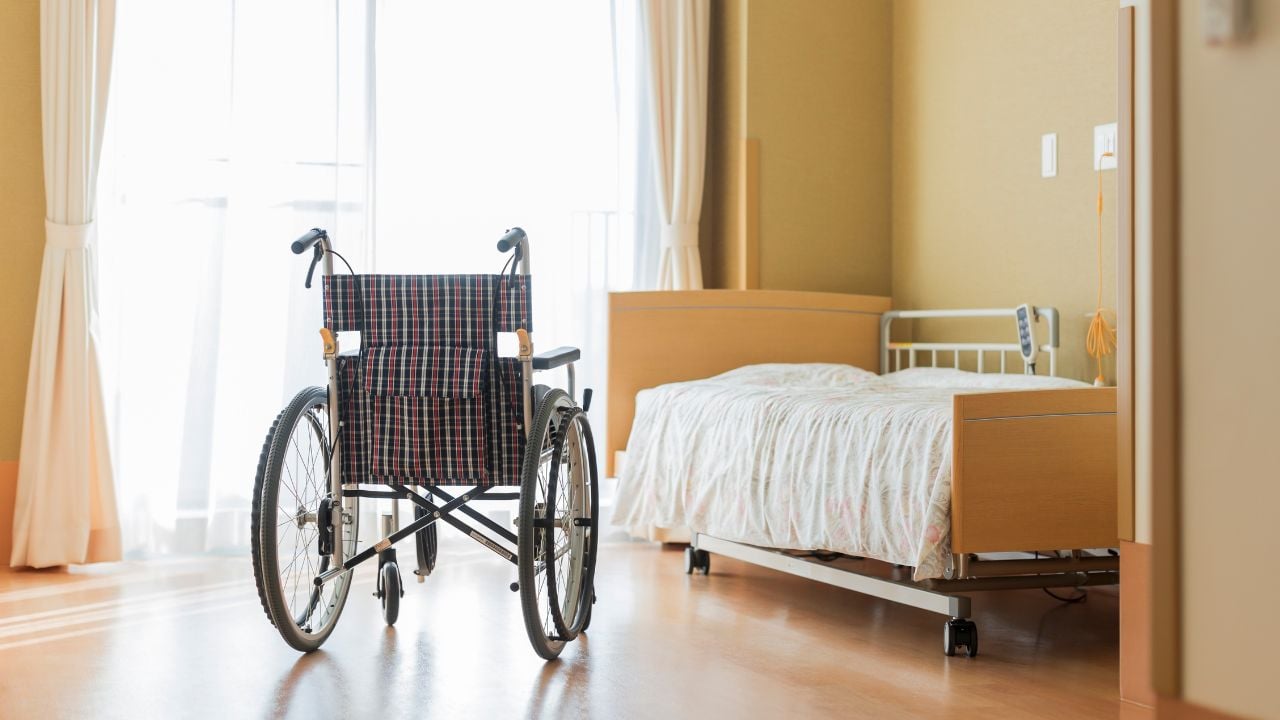
How Much Does a Nursing Home Cost in North Carolina in 2026?

A semi-private room in a North Carolina nursing home costs about $9,733 a month in 2026, or close to $116,800 a year, per the newest CareScout Cost of Care Survey.
A private room runs higher, close to $10,798 a month.
Either bill adds up fast.
Where you land in the state changes the number.
So does whether Medicaid ends up picking up part of the tab.
North Carolina’s semi-private rate sits a shade above the national median this year, even with the state’s reputation for a lower cost of living.
Note: This is general information, not financial or legal advice. Costs and Medicaid rules are subject to change, so confirm the current details with a professional.
How Much Does a Nursing Home Cost in North Carolina?
The private-room median lands at $10,798 a month, or $129,575 for a full year, right in line with the national figure for private rooms.
North Carolina’s private-room rate matches the national number almost exactly, while its semi-private rate runs a little ahead of it.
Room type matters.
That base rate usually covers a bed, meals, and round-the-clock nursing staff, but it doesn’t always cover therapy sessions, incontinence supplies, or a private phone line.
Ask for an itemized rate sheet before you sign anything.
A separate assisted living stay costs far less by comparison, about $6,200 a month for help with daily tasks rather than round-the-clock nursing care.
That gap between those two settings is what makes the budgeting decision so hard.
Charlotte, Raleigh, and Rural North Carolina
Location swings that monthly number more than almost anything else.
Facilities in Charlotte and the Research Triangle around Raleigh and Durham typically price higher than rural counties, since land, wages, and demand all run hotter in a metro market.
A nursing home near Asheville and the Blue Ridge Mountains, or out toward the coast and the Outer Banks, can land somewhere in between, depending on the county and how full the facility runs.
Rural doesn’t always mean cheaper, either.
A staffing shortage in a small Piedmont town can push a rural facility’s price close to a city rate, since fewer nurses to hire means higher wages to compete for them.
Location isn’t the only factor.
A facility’s staffing ratios, its therapy programs, and its wait list all move the price too, sometimes more than the zip code does.
What Pushes the Price Up
The base rate quoted at the front desk rarely stays the number you pay.
A facility usually charges more once a resident needs help with more daily tasks, memory care, or a higher level of nursing support.
Care needs rarely shrink.
Someone who moves in needing light help can watch the bill rise months later once dementia care or wound care enters the picture.
Ask what triggers an add-on before signing anything because two facilities quoting a similar sticker price can bill very differently once care needs rise.
A double room split with a stranger costs less than a private room.
Some families accept that trade to stretch a fixed income further.
Psst! Long-term care in America has a stranger history than most families realize. Take our quiz and see how many you can get right.
Quiz
Nursing Home History IQ
Answer these questions on the history of nursing homes, Medicaid, and long-term care in America. We bet you can’t get them all right. Prove us wrong?
Before nursing homes existed, older Americans without family support often ended up in what kind of place?
Does Medicaid Cover It in North Carolina?
North Carolina Medicaid covers nursing home care, but only once you clear a financial and medical bar.
A doctor first has to sign a form certifying you need nursing-level care, the medical side of the test.
The financial side comes down to two numbers: Your income and your countable assets.
A single applicant can keep no more than $2,000 in countable assets, per the American Council on Aging.
A married couple applying together is capped at $3,000.
It hasn't moved in years.
Your home, one vehicle, and your household belongings don't count toward that limit, so your county Department of Social Services looks mainly at savings, investments, and extra property.
North Carolina also runs a 60-month look-back, checking every asset you sold or gave away in the five years before you applied.
Give away money or property for less than it's worth in that window.
The county can delay your Medicaid eligibility with a penalty period.
Income over the limit doesn't disqualify you outright either because North Carolina lets applicants spend down extra income on medical and care costs instead of setting up a special trust.
Once approved, a nursing home resident keeps a personal needs allowance of $70 a month for incidentals like clothing and a haircut.
Medicaid covers the rest of the bill.
Married couples get extra protection, too.
The spouse who stays home can keep up to $162,660 of the couple's combined assets, so a nursing home stay doesn't wipe out both partners' savings at once.
One more thing families miss: Nursing home Medicaid runs as an entitlement in North Carolina, with no waitlist for anyone who qualifies, unlike the home and community waiver programs, many of which keep families waiting for a spot.
How to Pay Less for Nursing Home Care
A few practical moves can shrink that monthly number before Medicaid ever enters the picture.
Veterans and their surviving spouses can apply for a U.S. Department of Veterans Affairs (VA) Aid and Attendance benefit, a monthly payment on top of a regular pension for anyone who needs help with daily activities.
Ask the VA directly.
Comparing facilities matters just as much as comparing prices, since two nursing homes charging the same rate can offer very different staffing and care quality.
Long-term care insurance, bought years before it's needed, can cover a meaningful slice of the bill, though premiums rise fast the longer someone waits to buy in.
Adult day health care or in-home help can bridge the gap for a while.
North Carolina's non-medical home care runs closer to $5,720 a month in that same CareScout survey, well below a nursing home.
Tapping retirement savings is often part of the plan, too, and it helps to know how North Carolina taxes those withdrawals before pulling the trigger.
Timing the withdrawal matters.
Starting the Medicaid conversation early beats scrambling once a health crisis hits, since the 60-month look-back rewards planning long before anyone needs a bed.
FAQ
Quick answers to what North Carolina families ask most about nursing home costs.
How much does a nursing home cost in North Carolina in 2026?
A semi-private room costs about $9,733 a month, or $116,800 a year. A private room runs about $10,798 a month, or $129,575 a year, per the CareScout Cost of Care Survey.
Is a nursing home cheaper in North Carolina than the national average?
It depends on the room type. A semi-private room costs slightly more than the national median, while a private room runs about the same as the rest of the country.
Does Medicaid pay for nursing home care in North Carolina?
Yes, once an applicant meets the medical and financial rules. A single applicant can keep no more than $2,000 in countable assets, and the state reviews the five years before the application.
How can I lower the cost of a nursing home in North Carolina?
Compare facility staffing and quality ratings, ask about VA Aid and Attendance if a veteran is involved, and consider adult day care or in-home help for less intensive care needs.
What is the Medicaid look-back period in North Carolina?
North Carolina reviews 60 months, or five years, of asset transfers before a nursing home Medicaid application. Giving away money or property for less than it's worth in that window can delay eligibility.
Families sometimes trigger that look-back penalty by accident, gifting a car to a family member or adding someone's name to a deed years before anyone plans for a nursing home stay.
A short conversation with an elder-law attorney before signing any transfer paperwork costs far less than an accidental Medicaid penalty period down the road.
8 Food Lion Mistakes North Carolina Shoppers Make Every Week
Your Food Lion receipt prints a "you saved" line every trip, and most North Carolina shoppers take it at face value.
That number is smaller than it should be, and the reasons why never make the weekly flyer.
8 Food Lion Mistakes North Carolina Shoppers Make Every Week
9 Things No One Warns You About Before Retiring in North Carolina

Retirees pick North Carolina expecting Florida weather with prettier hills, and they're only half right.
The realtor rarely mentions the surprises waiting between the coast and the mountains.
9 Things No One Warns You About Before Retiring in North Carolina
