
9 North Carolina Small Towns That Feel Frozen in Time (in the Best Way)

North Carolina’s oldest town holds about 250 people.
Most North Carolinians have never driven through it, even though Charlotte and Raleigh grew into skylines just a few hours away.
These are the North Carolina small towns that still feel frozen in time, in the best way.
1. Blowing Rock
Blowing Rock earns the top spot for a downtown a person can cover on foot in under ten minutes, with no reason to ever get back in the car.
The town sits 3,600 feet up in the Blue Ridge Mountains, high enough that a July evening still calls for a light jacket.
It takes its name from the cliff at its edge, where wind funnels up through the gorge below with enough force that light snow and scraps of paper appear to fall upward instead of down.
Nobody staged that trick.
Main Street wraps around Memorial Park, a block of benches and a bandstand a few steps from the shops, and the Blue Ridge Parkway runs along the edge of town for anyone who wants the scenic way in.
Families have escaped the Piedmont heat for this mountain air since the 1880s, back when a stagecoach made the trip instead of a car.
2. Beaufort
Beaufort swaps mountain air for salt water, and its waterfront boardwalk still looks built for schooners more than yachts.
Founded in 1709 and incorporated in 1723, Beaufort ranks among North Carolina’s oldest towns, and its historic district still holds homes that sea captains and merchants built two centuries ago.
Barely 5,000 people live there.
Just offshore, more than 100 wild horses roam free on Shackleford Banks and the Rachel Carson Reserve, descendants of horses that have grazed those sandbars for generations.
A short ferry ride gets a visitor close enough to watch them without leaving Beaufort’s downtown behind for long.
Front Street still runs straight into the harbor.
3. Edenton
Edenton carries the memory of serving as one of North Carolina’s earliest colonial capitals, and its waterfront still frames the same view legislators saw in the 1720s.
The Chowan County Courthouse, built in 1767, still stands two blocks from the water, and the Cupola House keeps its original 18th-century woodwork intact.
In 1774, fifty-one Edenton women signed a public resolution boycotting British tea and cloth, one of the first recorded political actions by American women.
London mocked them for it.
Edenton kept the story anyway, and a bronze teapot balanced on a Revolutionary War cannon still marks the spot downtown.
Around 4,500 people live in Edenton today, walking distance from a harbor that once ranked among the busiest ports in the colonies.
4. Manteo
Manteo sits on Roanoke Island, the same ground English colonists tried and failed to settle back in 1587.
The Waterside Theatre has staged an outdoor production about that failed colony every summer since 1937, one of the longest-running outdoor productions in the country.
That’s an 89-year run.
Just past the theater, the Elizabethan Gardens still bloom on land donated as a memorial to the colonists who vanished.
Downtown Manteo wraps a small boat basin lined with waterfront shops, and about 1,600 people call the island town home.
Nobody’s in a hurry there.
5. Saluda
Saluda incorporated back in 1881, and its population still hovers around 640, one of the smallest town governments running anywhere in the state.
The town sits at the top of the steepest grade ever built for a standard-gauge railroad in the United States, a three-mile climb so punishing it once needed brakemen riding the cars to keep trains from running away.
That grade closed in 2001.
Walkers and cyclists use the old rail bed today, and the trail leads right onto a two-block Main Street with a depot, a diner, and not much else.
No stoplight interrupts the walk.
Psst! How much do you know about North Carolina, the state behind all these small towns? Take our quiz and see how many you can get right.
Quiz
North Carolina IQ
Answer these questions on North Carolina history and geography. We bet you can’t get them all right. Prove us wrong?
Which national park, split between North Carolina and Tennessee, draws more visitors than any other national park in the country?
6. Tryon
Tryon sits where the Blue Ridge foothills flatten out, a horse town with a walkable downtown block of galleries and old storefronts.
Singer Nina Simone grew up in Tryon, playing piano at her mother's church before she ever left for New York.
Her childhood home still stands a few blocks from downtown.
Four artists bought the three-room house in 2016 to save it from demolition, and a full restoration wrapped up in 2025.
That's not a small rescue.
Roughly 1,600 people live in Tryon, most of them a short drive from Mill Spring, where the Tryon International Equestrian Center draws riders from across the world for its horse shows.
Downtown still closes up early most nights.
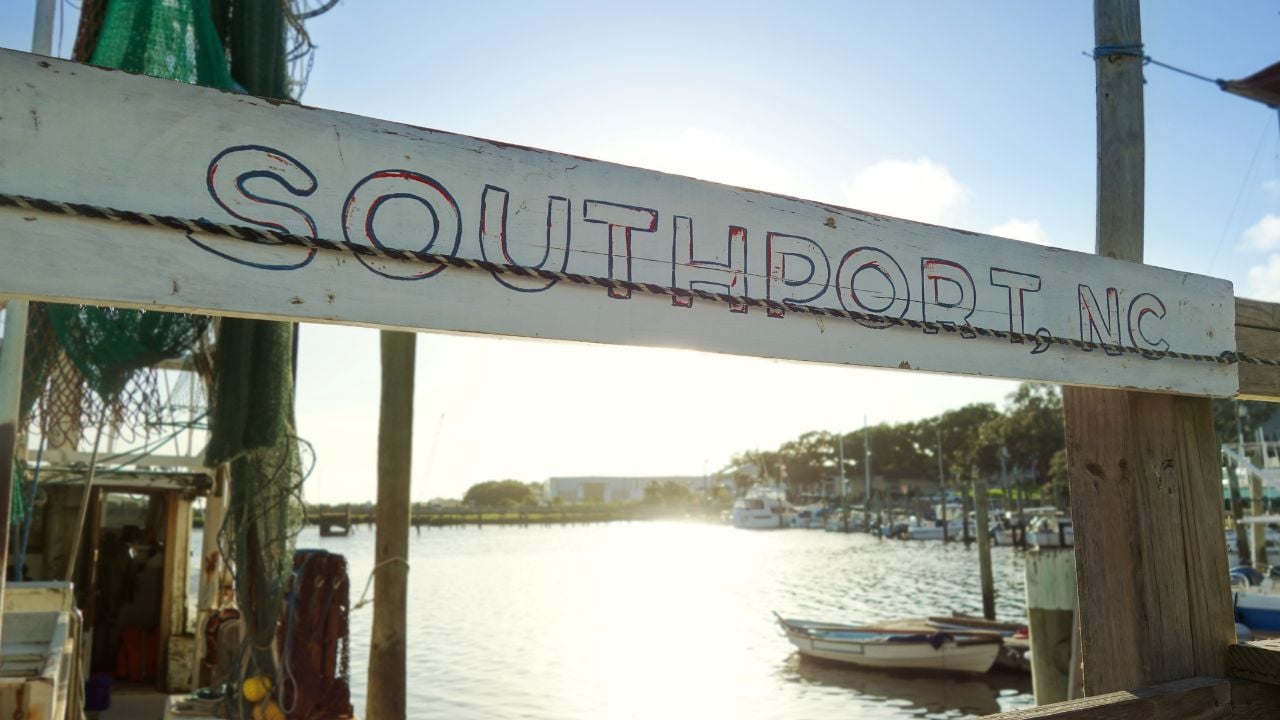
7. Southport
Southport wakes up to cannon fire every Fourth of July, a tradition that predates the town's own Victorian storefronts.
Its Fourth of July celebration traces back to 1795, when ships anchored in the harbor fired cannon salutes from daybreak on, making it one of the country's oldest Independence Day traditions.
The country wasn't even 20.
The lighthouse called Old Baldy still rises from nearby Bald Head Island, visible across the water from Southport's waterfront.
Hollywood has noticed the view too, filming Safe Haven and several other movies along Southport's Victorian storefronts.
Only about 4,000 people call Southport home year-round.
8. Bath
Bath became North Carolina's first incorporated town in 1705, and its population has stayed close to 250 for most of its three centuries.
Blackbeard the pirate lived there in 1718, socializing with the colonial governor while his crew ransacked ships along the coast.
The town threw him parties.
St. Thomas Church, built the same era, still holds services as North Carolina's oldest standing Episcopal church.
Bath never grew past a few hundred people, and that's exactly what kept its colonial street grid intact instead of buried under strip malls.
9. Dillsboro
Dillsboro packs its whole downtown into about half a square mile, home to a little over 200 people spread along a few blocks above the Tuckasegee River.
The town grew up around a train depot once the railroad reached these mountains in the 1880s, and Main Street still runs past that same building today.
No current departures leave from that depot anymore.
Not anymore.
The building still anchors a strip of craft studios selling pottery, hand-forged ironwork, and blown glass.
Dogwood Crafters runs as a cooperative instead of a single shop, splitting shelf space among more than 100 mountain artists under one roof.
A short walk uphill puts a visitor back at the river, where the old rail bridge still crosses the water without a single train running over it.
Two Truths and a Lie About North Carolina Barbecue: Can You Spot the Fib?
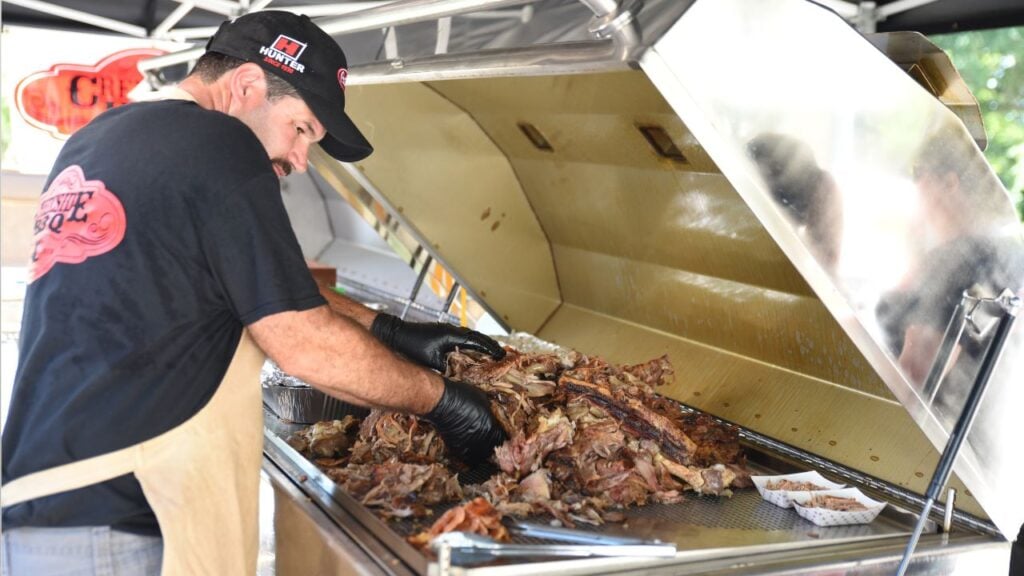
North Carolina has argued about barbecue sauce longer than it's argued about almost anything else.
This two truths and a lie game puts that fight to the test, one round at a time.
Two Truths and a Lie About North Carolina Barbecue: Can You Spot the Fib?
9 Things a North Carolina HOA Can Do That Homeowners Never See Coming
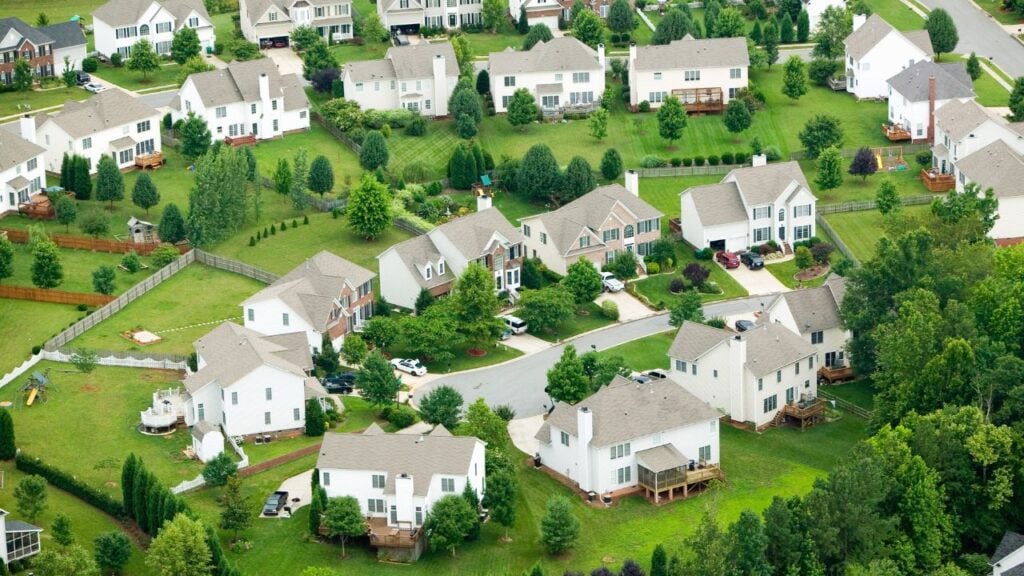
A small town keeps its charm partly because nobody's rewriting the rules on a resident's mailbox color.
A North Carolina homeowners association (HOA) a few miles down the highway might have other ideas entirely.
9 Things a North Carolina HOA Can Do That Homeowners Never See Coming
