
12 Things South Carolinians Are Tired of Explaining to Outsiders

A South Carolina fan wears her orange sweater to a family dinner without thinking twice.
Her cousin, dressed head to toe in garnet, hasn’t spoken to her since the last Palmetto Bowl.
Nobody at the table finds this strange.
These are the things every South Carolinian has to explain to someone who didn’t grow up there.
1. Not North Carolina
South Carolina and North Carolina have been governed separately since 1712, and outsiders still lump them into one.
“Oh, Carolina” doesn’t cut it.
A cashier at a gas station off I-95 hears “headed home to Carolina” several times a week, and she always has to ask which one.
The two split from a single colony three centuries ago, long before either one became a state.
Separate governors, separate capitals, separate identity.
Not one big Carolina.
Mix the two up in front of a South Carolinian, and you’ll get a short history lesson you didn’t ask for.
2. Orange or Garnet
Ask a South Carolinian where they went to college, and the answer sorts them into one of two camps before they finish the sentence.
Clemson wears orange.
The University of South Carolina wears garnet, and the two schools have been trying to embarrass each other on a football field since 1896.
The rivalry now carries an official name, the Palmetto Bowl, and it’s tense enough to change the mood at a Thanksgiving table.
Not exaggerating.
Wearing the wrong color into the wrong living room during that week is a real risk, and a transplant usually only makes that mistake once.
3. That Smell Is Pluff Mud
Anyone who rolls the windows down near a South Carolina marsh at low tide asks the same question within about ten seconds.
That’s pluff mud.
The thick, dark mud lining Lowcountry creeks and marshes releases hydrogen sulfide as bacteria break down decaying plant matter, and it smells like rotten eggs.
Locals call it the smell of home.
Visitors call it something else, usually while pinching their nose.
The nutrients in that mud support the crabs, oysters, and shrimp that end up on a South Carolina dinner table.
4. Tea Is the Law
Order unsweet tea in most of South Carolina, and a server treats it like a special request.
There’s a reason for that.
In 1995, state lawmakers named South Carolina-grown tea the official hospitality beverage of South Carolina, the first place in the country to grow tea commercially, dating back to 1799.
It’s an actual law.
Sweet tea comes standard at many restaurants, poured before anyone asks, and requesting it unsweet marks a newcomer almost as fast as an accent does.
Bring your own sugar packets if you disagree.
Nobody’s stopping you, but nobody’s impressed either.
5. Shag Isn’t a Haircut
Bring up “the shag” outside South Carolina, and most people picture a shaggy dog or an old hairstyle.
Wrong on both counts.
The shag is a smooth, low-to-the-ground swing dance that grew out of beach parties on the Grand Strand in the 1940s, and lawmakers made it the official state dance in 1984.
Couples still shag to beach music most weekends in North Myrtle Beach’s Ocean Drive section, where the dance was born.
It looks easy.
It isn’t.
A South Carolinian who grew up dancing it can spot a beginner’s footwork from clear across the room.
6. Boiled, Not Roasted
Roadside stands across South Carolina sell peanuts nobody roasted, and out-of-towners often assume something went wrong.
Nothing did.
Boiled peanuts sit in salted water for at least an hour until the shells turn tender and the peanut inside turns creamy almost like a bean.
South Carolina named them the official state snack in 2006.
They’re meant to be squishy.
Crack the shell, squeeze the peanut into your mouth, and toss the shell out the truck window like everyone else does.
A first-timer usually needs someone to walk them through the process before they’ll try a boiled peanut.
Psst! How much do you know about South Carolina’s Revolutionary past? Take our quiz and see how many you can get right.
Quiz
Palmetto Patriot IQ
Answer these questions on South Carolina’s Revolutionary War history and state symbols. We bet you can’t get them all right. Prove us wrong?
What did Col. William Moultrie call the white symbol he added to South Carolina’s Revolutionary War flag, in his own writing?
7. One Pot, Everything in It
Frogmore stew confuses first-time visitors before they even taste it, mostly because of the name.
There's no frog in it.
The dish takes its name from Frogmore, a small fishing community on St. Helena Island near Beaufort, where local lore credits a National Guardsman named Richard Gay with first boiling shrimp, sausage, corn, and potatoes together to feed a crowd of soldiers in the 1960s.
One pot.
Cooks drain it, dump it straight onto a newspaper-covered table, and everyone digs in with their hands, no plates required.
Some call it Lowcountry boil instead, but ask for either one along the coast, and the same pot shows up.
8. More Than a Dialect
South Carolina's Gullah Geechee communities speak a language, not a broken version of English.
Not a dialect at all.
Gullah is its own English-based creole language, carrying grammar and hundreds of words rooted in West and Central African languages that survived on the Sea Islands for generations.
It's one of the only languages of its kind still spoken in North America.
Descendants of enslaved West Africans built the culture along coastal South Carolina, Georgia, and Florida, preserving foodways, crafts, and traditions found nowhere else.
Congress recognized the Gullah Geechee Heritage Corridor in 2006, stretching from North Carolina to Florida.
Sweetgrass baskets woven on Charleston sidewalks trace straight back to this same tradition, though most outsiders only recognize them as souvenirs.
9. It's Bew-Fert, Not Bow-Fert
Beaufort, South Carolina, trips up visitors before they even reach downtown because North Carolina has a town spelled exactly the same way.
They don't sound alike.
South Carolina's Beaufort is pronounced "bew-fert," with lips pursed like the start of the word "beautiful."
North Carolina's Beaufort comes out "boh-fert" instead.
Both towns are named for the same English duke, and both insist their pronunciation is the only correct one.
Say it wrong in the historic district near the waterfront, and a local will correct you before you finish the sentence.
10. Palmettos Everywhere You Look
The palmetto tree shows up on South Carolina license plates, hats, coolers, and porch flags so often that transplants eventually stop asking why.
It traces back to the Revolutionary War.
The palmetto became South Carolina's official emblem during the Revolutionary War, and South Carolina has used the symbol ever since.
One tree, everywhere you look.
It's stitched on state troopers' uniforms, painted on water towers, and inked on more South Carolina shoulders than any tourist board could count.
Ask why, and most South Carolinians only know the short version of the story.
11. When the Interstate Flips
South Carolinians don't panic before a hurricane, they just get moving, and the reason takes some explaining to newcomers.
The state can reverse an entire interstate.
Under a mandatory evacuation, crews can reverse the lanes of I-26 so every lane between Charleston and Columbia points away from the coast.
All lanes outbound.
Highway Patrol closes the ramps first, then flushes each lane before traffic runs the wrong way down half the interstate until the coast clears out.
Once the evacuation order lifts, the lanes flip right back before the next morning commute.
12. Two States Under One Flag
Ask someone from Greenville about the beach, and the honest answer is a three-hour drive.
South Carolina splits into two different worlds under one flag.
The Lowcountry runs flat, marshy, and humid along the coast, built around Charleston, Beaufort, and the barrier islands.
The Upstate climbs into rolling hills near the Blue Ridge Mountains, built around Greenville and Spartanburg, with its own pace.
Neither sounds like the other.
Neither side calls itself the "real" South Carolina.
Both sides agree the other talks a little funny, and neither budges on it.
Does South Carolina Have a Property Tax Break for Seniors? What Homeowners 65+ Get in 2026
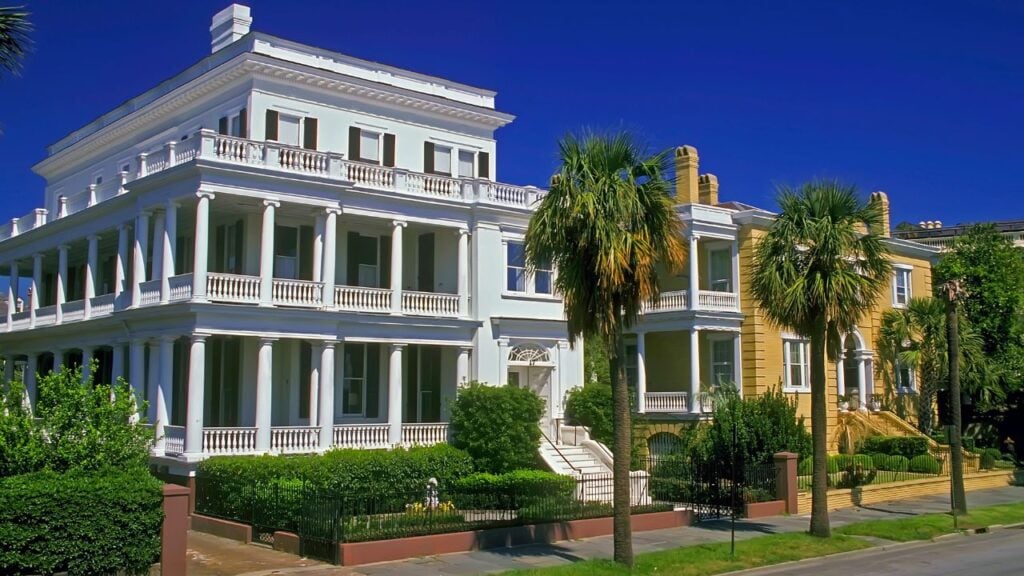
Turning 65 in South Carolina comes with a property tax break most homeowners don't find out about until a neighbor mentions it.
The Homestead Exemption alone wipes out tax on a chunk of your home's value, and it isn't the only perk on the books.
Does South Carolina Have a Property Tax Break for Seniors? What Homeowners 65+ Get in 2026
7 Publix Bakery Buys South Carolina Shoppers Grab Every Week
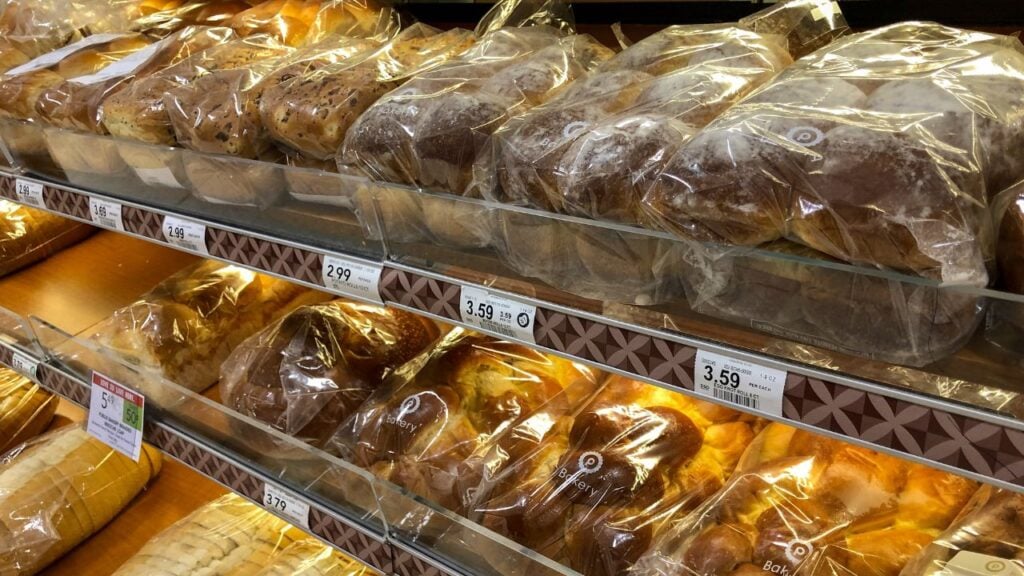
A South Carolina porch dessert has a good chance of coming from a Publix box instead of somebody's oven, especially once summer heat sets in.
A few bakery buys show up in more coolers and potlucks across the state than anyone wants to admit.
7 Publix Bakery Buys South Carolina Shoppers Grab Every Week
