
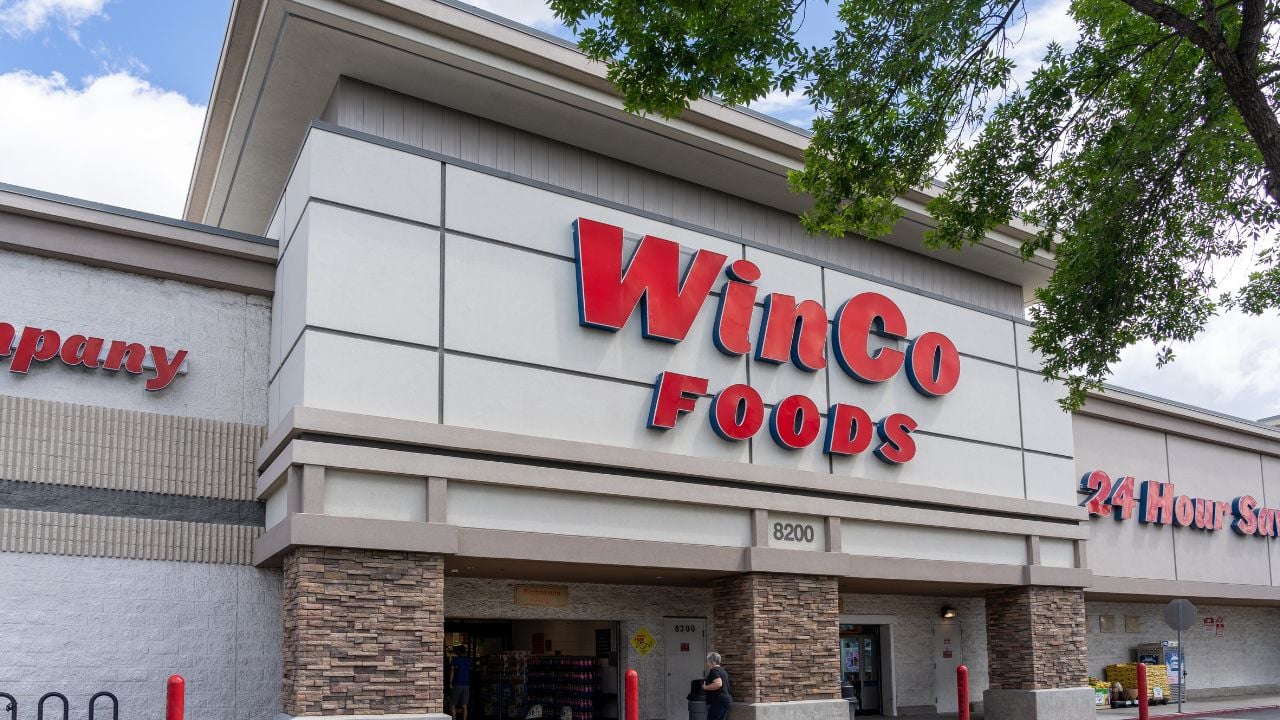
8 WinCo Mistakes That Cost Californians Money Every Week

Rice, rolled oats, and gummy bears sit in open bins at the Clovis WinCo, sold by the pound.
Californians love that aisle and still overpay on the way out.
These are the WinCo mistakes customers pay for week after week.
1. Paying an ATM Fee to Shop
Californians hand a slice of their WinCo savings to a cash machine near the Customer Service desk, week after week, without ever counting it up.
The reason is the part everybody already knows: WinCo takes no credit cards, from any bank, at any store, and the chain blames the processing rates for it.
So the shopper who packed nothing but plastic walks to that machine, and your own bank may charge a service fee for the withdrawal.
Do that every Saturday in Yuba City, and the fee turns into a grocery line item nobody budgeted for.
Debit works, with a PIN.
So does a paper check, which hardly anybody thinks to try anymore, though WinCo wants a valid state driver’s license matching the address and won’t take a two-party or post-dated check.
The majority of WinCo stores welcome the WIC and EBT cards that cover food benefits, and a brand-new location can still be waiting on state certification, so call before you drive out to a store that just opened.
2. Skipping Digital Coupons
Where do the coupons hide at a grocery chain like WinCo, with no loyalty card to swipe?
On the company’s website.
You register a free account with your mobile number, clip the offers you want, and never download an app.
Then comes the step that costs people money: You have to press the Digital Coupons button on the payment keypad and type that phone number in before you pay.
A clipped offer can’t be added once the transaction closes.
Miss the keypad, and the coupons stay in your account unused while you pay full price for the exact items they cover.
WinCo also asks for about fifteen minutes between clipping and checking out, so the offers you grab in the Elk Grove parking lot may not be ready when you reach a checkout lane.
Clip at home.
3. Reaching the Bagging Counter Empty-Handed
Nobody bags for you at WinCo, and that’s the trade the chain makes for its shelf price.
You wheel your cart to a long counter past the register and pack the whole load yourself.
What you pack it into changed for Californians on New Year’s Day.
WinCo hands out plastic bags anywhere local rules allow them, and California stopped allowing them on January 1, 2026, at every thickness, including the heavier bags stores had been calling reusable.
So a lane in Hemet gives you two choices now: Paper at 10 cents a bag, or whatever you carried in from the parking lot.
Bring your totes.
You fill more bags on a WinCo run than on a normal grocery trip, and buying a dozen paper bags a week adds up to about $5 a month, or close to $60 a year.
Shoppers paying with food assistance benefits owe nothing for the bag.
4. Buying the Jar Over the Bin
The bulk bins are why shoppers drive clear across Bakersfield to a WinCo, and then they undo the whole trip two aisles over at the packaged spice rack.
Bulk sells by weight.
You pay for cinnamon, not for the jar, the printed label, the brand name, or the carton it shipped in.
A recipe calling for a tablespoon of ground cardamom costs you a tablespoon of ground cardamom, instead of a McCormick jar you’ll open twice and shove behind the vinegar.
You get the same math on the rice, the rolled oats, the dried pinto beans, the coffee, and the trail mix your kids talk you into.
Use the store’s bags, though.
WinCo doesn’t approve personal containers at the bulk bins, apart from water containers you bring back for refilling, so the mason jars you packed are going straight out to the car.
Psst! How much do you know about the history behind America’s discount grocery stores? Take our quiz and see if you can ace it.
Quiz
Grocery History IQ
Answer these questions on warehouse stores, discount grocers, and California grocery history. We bet you can’t get them all right. Prove us wrong?
Price Club, the chain that later merged into Costco, opened its first store in 1976 in which California city?
5. Ignoring the Price Shocker Area
The steepest markdowns at WinCo sit on pallets and end displays under signs reading Price Shocker.
Whatever the buyers bought cheap that week goes there, so you can't guess the category from one trip to the next.
One week it's canned tomatoes.
The next week it's paper towels stacked to your shoulder.
Shoppers who head straight for the produce wall and work the perimeter out of habit never lay eyes on any of it.
Walk the front first.
No weekly circular lands in your mailbox from WinCo, though the chain does list in-store specials in the Store Events section of its website, so a two-minute look before you leave the house beats a lap around the store.
6. Misreading the Shelf Tags
Two tag colors hang on the same WinCo shelf, and shoppers mix them up constantly.
Yellow is the everyday low price, the number the chain plans to keep.
Green is Extra Savings, and that's a sale.
Read the colors wrong, and you'll buy one bag of coffee when you should have bought four.
WinCo pulls the green tags without notice, and no email is coming to tell you.
Green means hurry.
Treat it like yellow, and you'll roll back in next month, see the regular price on the tag, and pay it without blinking.
7. Leaving Your Paper Coupons Home
Californians leave manufacturer coupons in a kitchen drawer before a WinCo trip, on the theory that a discount grocery store won't want them.
The registers take them.
Printed internet coupons scan too, so that $2 offer you skipped was $2 you decided not to keep.
Learn the limits before you build a stack: One coupon per item, no doubling or tripling, no competitor's coupons, and nothing with a redemption value over $5.
Shoppers who do bring coupons hit one more catch at the printer.
WinCo asks for the highest or photo setting so the barcode scans, and a washed-out black-and-white printout stalls the lane until the cashier waves it off.
Color ink is cheaper.
8. Never Taking Anything Back
WinCo refunds or replaces anything you bought that misses your expectation of quality.
That covers the strawberries that turned in two days and the almonds that came home stale.
Anything over $10 may need a manager's approval, so hang on to your receipt.
Many shoppers never ask.
They drop the mushy berries in the trash, tell themselves a discount grocery store owes them nothing, and buy the same berries again on Saturday.
The clerk at that counter has a stake in your answer.
WinCo puts company stock worth 20% of pay into eligible workers' accounts every year, so the person handing your money back owns a sliver of the chain that just lost it.
Ask for the replacement instead of the refund when you still want the item.
12 California Grocery Staples From the '70s
The Marathon bar came with a ruler printed on the wrapper, eight inches of braided caramel a kid could measure against their own arm.
Brands like that packed California grocery shelves in the 1970s, and the big food companies quit making them.
12 California Grocery Staples From the '70s That Disappeared for Good
9 Hidden Costs of Living in California
Insurers can split part of the shortfall from the January 2025 wildfires with their own customers this year, and you'll find the charge where almost nobody looks.
Californians cover several costs like that without anyone warning them first.
9 Hidden Costs of Living in California Nobody Warns You About
