

11 Things Californians Miss Most After They Leave the State

Leaving California looks great on a spreadsheet.
You sign a smaller mortgage, the moving truck pulls out of the driveway, and the new garage fits two cars.
Then it’s February, and the strawberries in the produce aisle taste like water.
These are the things Californians miss most after they leave the Golden State.
1. Tacos From a Truck
Kitchen boxes sit unpacked while a new arrival from California types “taco truck” into their phone.
The search usually fails.
What they want is the trompo of al pastor turning behind the window, the cup of consommé that comes with a birria order, and four tacos handed over at eleven at night for the price of a sandwich.
California stopped its cities from banning sidewalk vendors outright with Senate Bill 946, which covers pushcarts, stands, and wagons and took effect in 2019.
So the fruit cart with the chile and lime, the elote cart outside the swap meet, and the taco stand that sets up on the same Boyle Heights corner every night all work in the open.
A transplant in Nashville can find tacos, then spend a year explaining what al pastor was supposed to taste like.
2. Beaches Nobody Can Fence
Few things confuse somebody raised on the California coast faster than a fence running down to the water.
In California, the beach below the average high-tide line belongs to the public, no matter who owns the house above it.
Under the Coastal Act of 1976, the state has to keep the way down to that sand open.
The Coastal Commission publishes a guide to more than 850 access points along 1,110 miles of coastline.
Malibu homeowners have tested that rule with locked gates, fake no-parking signs, and guards hired to patrol the sand.
The commission fined one couple nearly $4.2 million in 2016 for blocking the path down to Las Flores Beach, its first access fine ever.
Public access wins.
In many other states, the dry sand in front of a beach house belongs to whoever owns the house, and the nearest legal way to the water is a paid parking lot two towns over.
Anybody who grew up parking along Pacific Coast Highway with a boogie board and no wallet feels that change on day one.
3. Heat That Doesn’t Stick
Ninety-eight degrees in Redding and 92 degrees in Houston aren’t the same afternoon, and Californians who move away learn that the first summer.
California sits in one of the world’s five Mediterranean climate zones, which is the technical way of saying the rain shows up in winter and quits for the summer.
Dry air lets sweat evaporate, so a tree and a cold drink handle a Redding afternoon.
Houston’s air already holds water.
So the sweat stays put, and the shade stops helping.
Nights help in California too, since the Delta breeze pulls cool air into Sacramento after dark and the summer fog keeps San Francisco cool enough for a sweatshirt through July.
Transplants also meet mosquito season at dusk, and they take it personally.
4. Strawberries in February
Try buying a decent strawberry in February anywhere but California.
Nearly half the country’s vegetables and more than three-quarters of its fruits and nuts grow in California, according to the state’s Department of Food and Agriculture.
Growers pick strawberries in Oxnard through the winter, cut dates in Coachella, pull garlic in Gilroy, and bring navel oranges in around January.
California also has about 655 certified farmers markets, and roughly 60% of them stay open all year.
You shop outside in December.
Move somewhere the farmers market runs June through September, and you start counting the other eight months.
5. Snow and Surf Together
Mount Whitney tops out at 14,505 feet, the highest point in the contiguous United States, and Californians who leave give it up as a day trip.
Badwater Basin sits 282 feet below sea level, the lowest point in North America, about 85 miles from that summit.
Californians take that for granted.
On a February Saturday, a family can take Highway 18 up to Big Bear for snow, come back down the 210 in time for dinner, and stand on the sand at Huntington the next morning.
That whole weekend turns into a vacation with airfare once you move.
6. Dinner in the San Gabriel Valley
New neighbors rarely believe a transplant’s description of the San Gabriel Valley.
You get hand-pulled noodles in Alhambra, Sichuan in Rowland Heights, Taiwanese breakfast in Monterey Park, and a bakery in San Gabriel selling pineapple buns at seven in the morning.
Down in Orange County, Little Saigon holds the largest Vietnamese community outside Vietnam, spread across Westminster, Garden Grove, and Santa Ana.
People eat late there.
Roger Chen, fresh from Taiwan, opened the first 99 Ranch Market in Westminster in 1984 because he wanted the food from home sold the way an American supermarket sells groceries.
Californians who land in a small town understand that impulse about six weeks in.
7. Winter Without a Shovel
Ex-Californians rediscover winter as a chore rather than a season.
Somebody has to shovel the driveway, salt the steps, and scrape the windshield before work.
That’s before the commute.
Road salt rusts the underside of the car too.
Winter in California means fog on Highway 99, a jacket in the morning, and tire chains bought for one trip up Highway 50 that sat in the trunk for a decade.
Golfers play Palm Springs in short sleeves in January, and people line Colorado Boulevard for the Rose Parade without a coat.
Nobody who grew up with that keeps a snow shovel by the door without resenting it.
8. Nine National Parks
Transplants drive farther for a trailhead than they ever did in California.
California holds nine national parks, more than any other state, including Yosemite, Sequoia, Kings Canyon, Death Valley, Joshua Tree, Redwood, Lassen Volcanic, Pinnacles, and Channel Islands.
Add about 280 parks in the state system, covering close to 1.59 million acres of coast, redwoods, and desert.
A Bay Area family can leave after breakfast and eat lunch under El Capitan.
That’s a Saturday.
Joshua Tree sits about two hours from Long Beach, and people crowd Anza-Borrego for the wildflowers every spring.
9. Groceries in Five Languages
Californians who move away find a grocery store that stocks one kind of chile.
The bakery closes at two.
About 44% of Californians age 5 and older speak a language other than English at home, according to the Census Bureau.
And 27% of the state’s residents were born in another country.
That shows up in the aisles as Armenian bakeries on Brand Boulevard in Glendale, Persian markets in Westwood, a Punjabi farming community around Yuba City, Hmong growers at the Fresno farmers market, and Portuguese festas across the Central Valley every summer.
Nobody calls that unusual.
Twenty minutes of driving used to cover all those errands.
10. Tasting Rooms Down the Road
Californians treat a tasting room like an errand until they move.
Wineries in California produce an average of 81% of all the wine made in the United States, per the Wine Institute.
Napa is on the postcards, and much of the wine country is closer to where people live.
Livermore is 40 minutes from Oakland, Paso Robles sits on the 101 halfway to Los Angeles, Lodi grows old-vine zinfandel an hour from Sacramento, and Temecula fills with Inland Empire families on Saturdays.
Saturday covers it.
In Amador County, the person pouring often planted the vines.
Psst! How much do you know about California? Take our quiz and see how many you can get right.
Quiz
California Pop Quiz
Test yourself on California’s landmarks, records, and history. We bet you can’t get them all right. Prove us wrong?
The first In-N-Out stand opened in 1948 in which Southern California city?
11. Property Taxes That Barely Moved
Proposition 13 is the reason a Californian can end up missing a tax bill.
The measure caps the rate at 1% of a home's assessed value and holds increases in that assessed value to 2% a year until the house sells.
So the county still taxes a house bought in 1998 near its 1998 value, no matter what the neighbors listed theirs for.
The Tax Foundation puts the median property tax bill in Los Angeles County at about $5,675 against a median home value of $834,200.
That's under 0.7%.
Sell that house, buy a cheaper place in a state that reassesses at market value every year, and the new bill can come out higher than the bill left behind.
Many transplants learn that from the first tax envelope the new county mails them.
10 Habits That Embarrass Californians
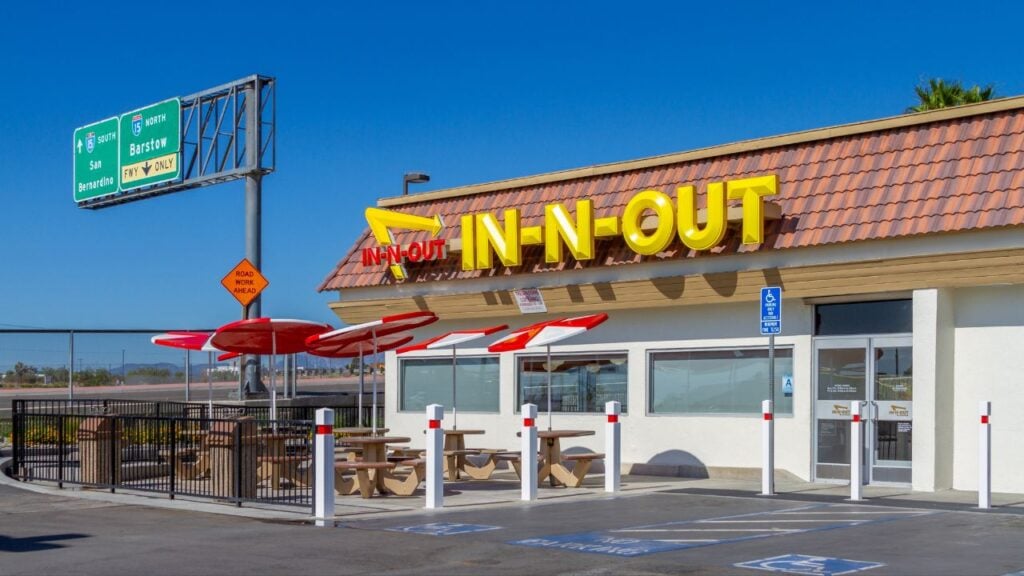
A transplant in Boise still says "the 84" when everybody around them says I-84.
Nobody unlearns that at the state line, and the new neighbors catch nine more habits just like it.
10 Habits That Embarrass Californians the Second They Leave the State
15 Things Californians Are Tired of Hearing
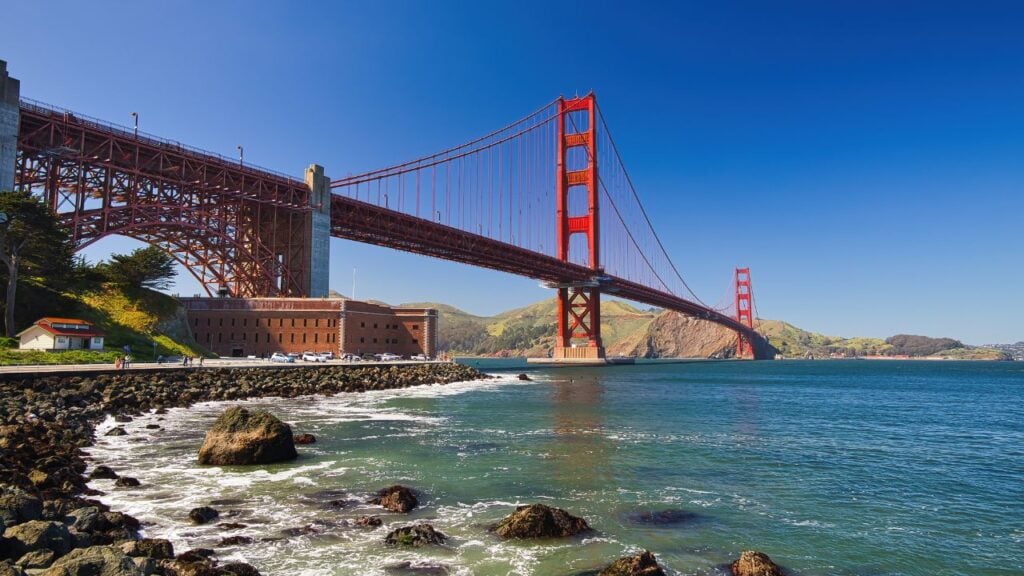
The questions start at the wedding reception before anybody gets an appetizer: Do you know anyone famous?
Californians keep an answer ready for that question, and for the fourteen that follow it.
15 Things Californians Are Tired of Hearing From the Rest of America
