

8 Money Mistakes That Cost South Carolina Homeowners Thousands

A homeowner near Myrtle Beach calls her agent the week after a summer storm and asks why the insurer just denied the wind damage claim.
Her policy never covered wind in the first place.
Nobody mentioned that part at closing.
These are the money mistakes draining South Carolina homeowners’ bank accounts without a word of warning.
Note: This is general information, not financial, insurance, or legal advice. Dollar amounts, coverage rules, and laws are subject to change.
1. Trusting an Outdated Flood Map
Flood risk in South Carolina doesn’t stay inside the lines the Federal Emergency Management Agency (FEMA) drew years ago.
The South Carolina Department of Insurance points out that more than 20% of flood insurance claims come from outside the mapped high-risk zones.
A mortgage lender only requires flood coverage inside those zones.
Outside them, coverage is optional. Many homeowners hear “optional” and stop there.
Wrong move.
Building nearby, changing drainage, and heavier storms can all push a once-safe lot into a riskier zone the next time the map gets redrawn.
A basic policy for a moderate-risk South Carolina home often runs about $700 a year, cheap insurance against a flooded slab.
2. Assuming Wind Damage Is Covered
Homeowners along South Carolina’s coast open a standard policy and assume hurricane winds are part of the deal.
Often they aren’t.
Insurers in the highest-risk zip codes, from Hilton Head up through the Grand Strand, often carve wind and hail out of a regular homeowners policy.
Buy in that gap, and coverage only exists if you separately sign up with the wind pool, the nonprofit association that insures coastal wind and hail when regular carriers won’t.
Skip that second policy, and a roof torn open by a tropical storm turns into a bill with no insurer attached.
No warning at closing.
3. Waiting to Check Storm Damage
Does South Carolina need a hurricane to rack up storm damage?
It doesn’t.
Hurricane Helene killed 49 people in South Carolina and damaged nearly 5,000 homes in 2024, and most of that toll landed well inland, in the Upstate.
A cracked shingle or a soaked attic after a storm like that doesn’t always show up as a leak for weeks.
Wait to get it checked, and an insurer can argue the damage came from age and wear instead of the storm.
That argument favors the insurer, not the homeowner.
A roofer or adjuster who walks the property within days ties the damage to a date, and a date is what turns a maybe into a paid claim.
Proof beats memory.
4. Never Shopping Your Renewal
Many South Carolina homeowners renew the same policy every year without comparing it against a single other quote.
That’s the actual mistake, not the price of insurance.
Rates in the state are already moving one direction, with one report ranking South Carolina second-highest in the country for projected increases over the next decade, so an unchecked renewal compounds fast.
An independent agent can run the identical coverage, the same dwelling limit, the same wind deductible, the same roof terms, across several insurers in one afternoon.
Skip that call, and the same policy renews at whatever number the carrier decides to send.
Nobody checks that number against anything.
Worth the phone call.
Psst! Here are eight more common homeowner money mistakes, separate from the list above. Run through the checklist and see how many apply to you.
5. Underestimating Your HOA
A homeowners association (HOA) in South Carolina can do more than send a strongly worded letter about a mailbox color.
South Carolina’s Homeowners Association Act requires the seller to warn a buyer in writing that the purchaser may face a foreclosure action if the assessments go unpaid.
Many owners read that line at closing and forget it inside a year.
Miss enough dues, and the association can place a lien on the house long before anyone mails a foreclosure notice.
A missed assessment of a few hundred dollars can turn into a legal bill many times that size.
That escalates fast.
Special assessments for a new roof, a pool repair, or storm cleanup can also land with almost no warning, stacked right on top of the regular dues.
6. Skipping the Permit
A deck goes up in a South Carolina backyard over a single weekend, no inspector in sight.
That’s only legal if the local building department already signed off on it first.
South Carolina is a home rule state, so every city and county enforces its own building code instead of one statewide office, and a homeowner two exits down the interstate can skip the very permit that’s routine back home.
Skip that step, and the work can stand for years without anyone noticing.
Nobody notices yet.
Then a claim comes in, or the house goes up for sale, and the paperwork trail comes up empty.
Insurers can deny a claim tied to unpermitted work, and buyers walk away from unpermitted additions all the time.
A permit usually costs far less than undoing the work later.
7. Skipping Your 4% Tax Filing
Every new homeowner in South Carolina owes the county paperwork, not just a mortgage payment.
File for the state’s 4% legal residence rate, and the county assesses a $500,000 primary home at $20,000 instead of the $30,000 an investment property pays.
That’s real money every single year, not a one-time fee.
Miss the spring filing window, and Horry County and most others hold you at the higher rate for the entire tax year.
That’s a full year.
New owners moving in from out of state miss this most often since nothing forces the county to chase them down.
8. Ignoring Your Escrow Letter
A South Carolina homeowner’s mortgage servicer checks the math on their escrow account once a year.
Higher property taxes plus a higher insurance renewal at the same time often add up to more than the servicer set aside the year before.
Federal mortgage-servicing rules let the servicer spread that shortage over at least 12 months, added straight onto the payment with no input from the homeowner.
Not a choice.
Homeowners who open that annual escrow statement the day it arrives can pay the shortage in one lump sum instead and skip the 12 months of padding the servicer otherwise tacks onto the payment.
Ignore the envelope, and the higher payment shows up automatically on the next due date, with no phone call and no warning beyond the notice already sitting unopened in a kitchen drawer.
11 South Carolina Squatter Laws Every Homeowner Should Understand
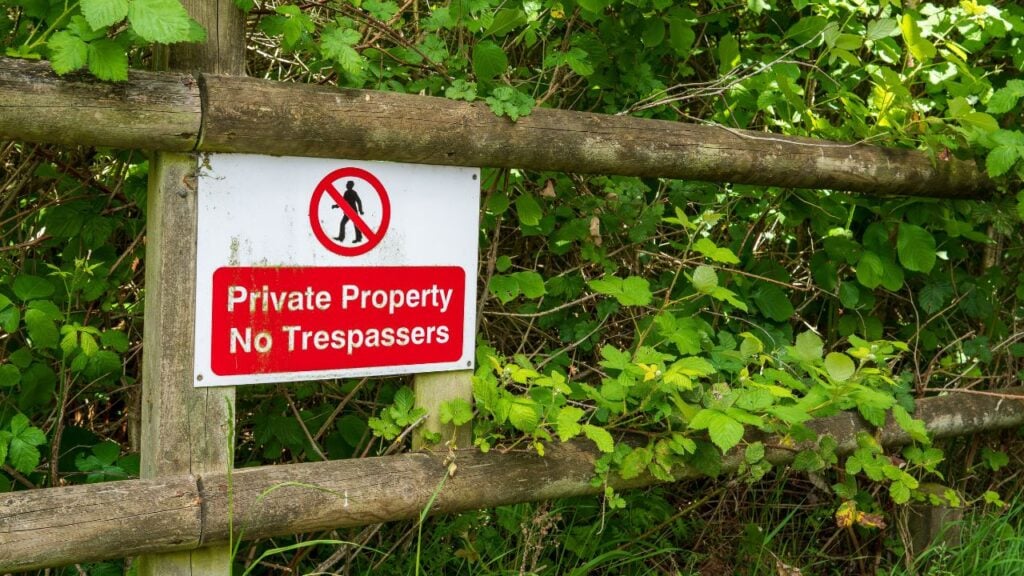
South Carolina rewrote its squatter laws this year, and many homeowners haven’t read a word of the update.
A vacant lot, a rental between tenants, or a house tied up in an estate can all turn into the kind of legal mess these laws were rewritten to prevent.
11 South Carolina Squatter Laws Every Homeowner Should Understand
The Cheapest Places to Retire in South Carolina in 2026

Ten small South Carolina counties carry a median property tax bill under $700 a year, most of them tucked into the Pee Dee region and the Upstate.
More than 5,400 people age 65 and older moved to the state last year, and many of them landed in exactly these counties for that reason.
