
10 Things Californians Refuse to Do in Late Summer No Matter What

Think a heat wave is the hardest part of a California August?
It isn’t.
There’s a stack of deadlines and warnings the rest of the country never has to think about, and most of them come down to what you don’t do.
Once late summer arrives, these are the things Californians refuse to do.
Note: First aid guidance in this article is subject to change, so consult with a doctor about your personal situation.
1. Ignoring a Red Flag Warning
Californians read an August red flag warning the way other places read a blizzard forecast.
Nobody scrolls past it.
The National Weather Service posts the warning when wind, heat, and dry brush come together, which by late summer describes most of the state.
Utilities can follow it with a power shutoff, cutting electricity on purpose before a line sparks, and a whole neighborhood can sit dark for a day or more.
People in fire country keep Watch Duty on the home screen and a battery bank in the car.
They’ll cancel a Saturday drive over that warning without much debate.
2. Booking a Campsite in August
August is the wrong month to go looking for a Labor Day campsite.
Californians stopped trying years ago.
ReserveCalifornia releases sites on a rolling six-month window, so those Labor Day weekend sites went up for grabs in early March, back when nobody was thinking about a tent.
Regulars set an alarm for the exact morning their campground opens up and refresh at 8 a.m.
Book in August, and you get a motel off the highway.
3. Walking Into the Ocean Without Shuffling
Regulars at Seal Beach won’t step straight into the water in August.
They shuffle.
Lifeguards along the Southern California coast treat more than 10,000 stingray stings a year, and locals have called a Seal Beach surf break Ray Bay for decades.
Warm late-summer water brings round stingrays in close, and Chris Lowe, who runs the Shark Lab at Cal State Long Beach, says their range keeps pushing north as the ocean warms.
Dragging your feet through the sand moves a ray off before its barb ever comes up.
Stings come most often at low tide on a warm day, when the surf is calm and the water’s shallow.
Hot Water, Never Ice
The instinct is to reach for ice when you get bit by a stingray.
That’s the wrong move, and it’s the mistake lifeguards see most.
The California Surf Lifesaving Association says to soak your foot in hot water instead, as hot as you can stand without burning, around 110 degrees.
Flag a lifeguard first, and consult with a doctor if the barb broke off in your foot.
4. Running the Dryer During a Flex Alert
Dryers in California sit idle between 4 and 9 p.m. on a Flex Alert day.
The California Independent System Operator calls the alert when supply runs short, and late summer is when supply gets tightest.
A September heat wave in 2022 pushed demand to an all-time high of 52,061 megawatts, and the state only just stayed out of rotating outages.
They ask for thermostats at 78 degrees or higher, and no dishwashers, washers, dryers, or ovens until the window closes.
Anyone who’s lost power in a heat wave takes that text seriously.
It only takes once.
So people start the laundry at 9 and run the pool pump in the morning instead.
5. Missing Day One of School
Californians won’t book an August trip that runs past the first day of school.
Los Angeles Unified, the state’s biggest district, opened the 2026-2027 year on August 12, weeks before much of the Northeast goes back.
The flights home land a full weekend ahead of it, and the last trip of the year wraps by the second week of the month.
Trading day one for two more days at the beach isn’t a deal many families take.
Psst! How much do you know about California’s records and roots? Take our quiz and see if you can ace it.
Quiz
California IQ
Answer nine questions on California’s records, roots, and landmarks. We bet you can’t get them all right. Prove us wrong?
The Golden Gate Bridge isn’t painted gold at all. What is its official paint color called?
6. Hiking Half Dome Without a Permit
By August, the only way onto Half Dome's cables is the daily lottery, and Californians won't make the drive without winning it first.
The National Park Service gives out 225 permits a day, and most went in a preseason lottery that closed in March.
What's left goes to a small daily draw, two days out, at $10 an application plus $10 a person.
No permit means no summit.
Hikers who've done the round trip apply on a Tuesday for a Thursday and rearrange the whole week around the answer.
Anyone who shows up without a permit turns around at the base of the cables.
7. Mowing Dry Grass After 10 a.m.
Californians won't push a mower across dry grass on an August afternoon.
A metal blade hitting a rock throws a spark, and by mid-August the grass is dry enough to catch.
Cal Fire's advice is to mow in the cooler morning hours before 10 a.m. and to skip it altogether when it's windy or dry.
The next line is the part people miss: Lawn mowers are for lawns, not for the dry weeds along a fence line.
That's how yards burn.
Neighbors mow at 7 a.m. instead, and nobody touches the weed-eater on a windy weekend.
8. Afternoon Runs on Spare the Air Days
Bay Area runners won't head out in the afternoon once a Spare the Air alert posts.
Ozone builds as the day heats up, which is why the tail end of summer, not June, brings the alerts nobody wants.
The Bay Area Air District calls one on the smoggiest days between April and October and asks everyone to drive less and stay off the freeway.
Anyone sensitive to pollution gets the stronger version of that advice: Stay indoors through the afternoon, when the air is at its worst.
Heat makes it worse.
So the run moves to 6 a.m., one trip covers every errand, and the carpool text goes out the night before.
9. Waiting for a Tax-Free Weekend
Come August, Californians won't sit on a back-to-school list waiting for a tax-free weekend.
Twenty states run a sales tax holiday in 2026 on notebooks, backpacks, and sneakers, and California isn't among them.
There's nothing coming.
Families who moved from Texas or Florida try holding out the first year, then stop.
The shopping happens the week the kids bring the school list home, and the only discounts worth watching are whatever the stores set themselves.
It's full price on the tax either way.
10. Packing Away Your Fleece
Nobody in San Francisco packs the fleece away in August, whatever the rest of the state is doing.
Inland valleys can run past 100 degrees, and that heat pulls cold Pacific air in through the Golden Gate.
The fog locals call Karl covers the city on a dozen or more August days, with highs holding around 70 degrees.
Tourists rarely believe it.
September is the warmest month of the year in San Francisco, so the jacket stays on its hook well past Labor Day.
Visitors show up at Ocean Beach in shorts and start shivering by 4 p.m.
Residents walk past them zipped to the chin, headed for a block where the sun might be out.
10 Habits That Embarrass Californians the Second They Leave the State
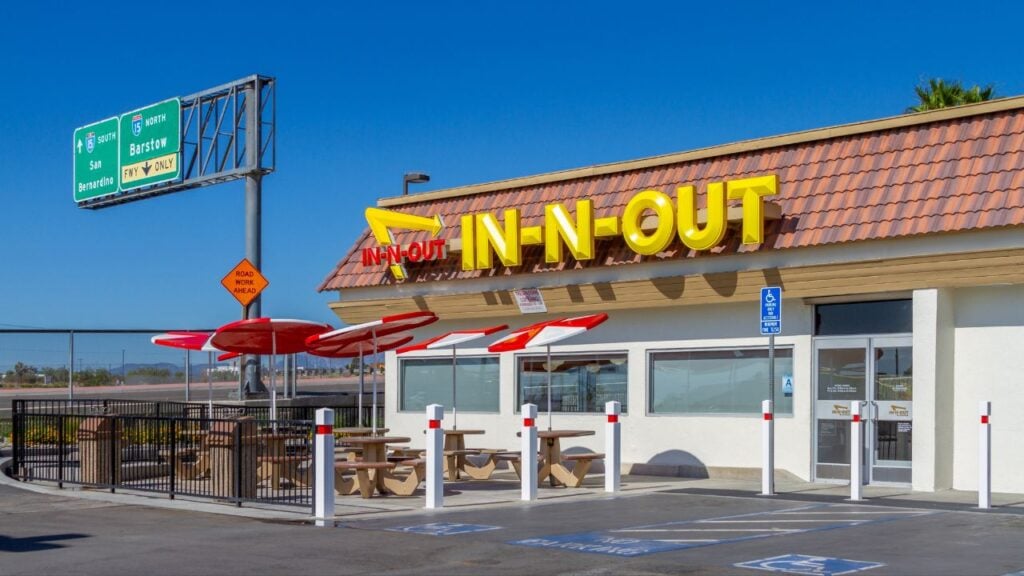
A Californian steps off the curb mid-block in another state, no crosswalk anywhere close, and doesn't think twice about it.
The habits that read normal in Long Beach read like a dare everywhere else, and most Californians never notice until somebody points it out.
10 Habits That Embarrass Californians the Second They Leave the State
15 Things Californians Are Tired of Hearing From the Rest of America
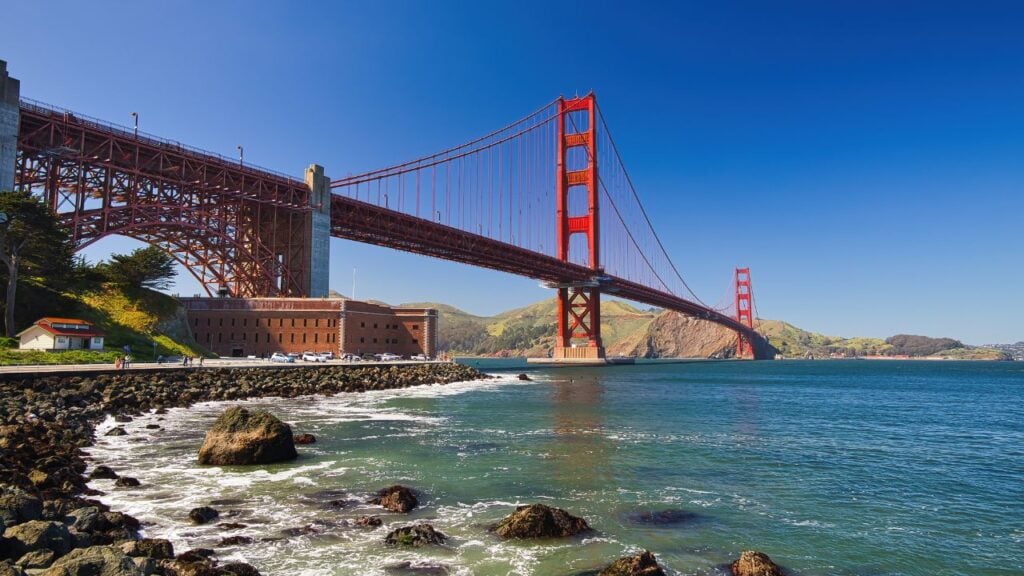
A Californian mentions where they're from at a wedding reception, and the questions start before the appetizers arrive.
Is it always sunny?
Have they felt an earthquake?
Don't they wish they could afford a house?
Fifteen lines in, the small talk still hasn't run out.
15 Things Californians Are Tired of Hearing From the Rest of America
