
11 Grocery Store Conveniences South Carolinians Secretly Wish Would Disappear

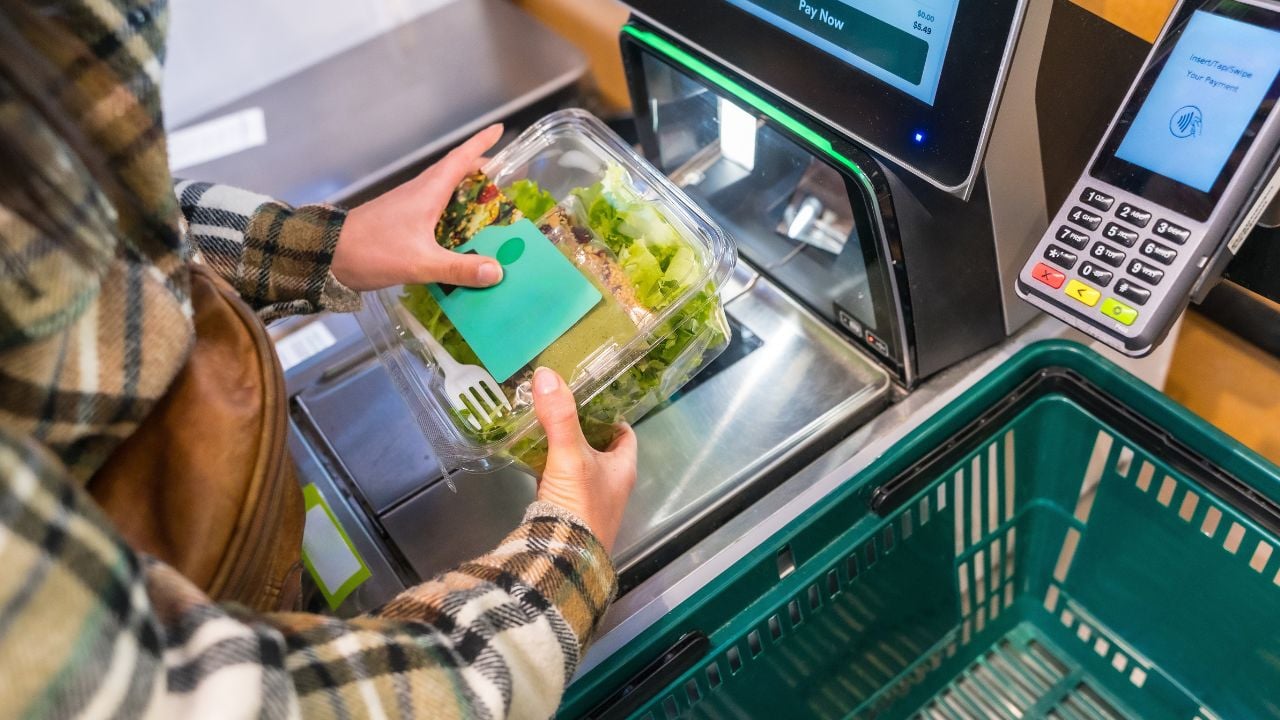
Self-checkout was supposed to get South Carolina shoppers out the door faster.
But as Americans across the country can attest, that hasn’t always been the case.
A jury ordered Walmart to pay one Alabama shopper $2.1 million after its self-checkout system accused her of stealing over a scanning glitch.
These are the grocery store conveniences South Carolinians would happily trade back for the old way.
1. Self-Checkout Becomes the Only Option
Self-checkout showed up promising a faster trip through a South Carolina grocery store, a shortcut past the cart stacked twenty items deep.
For a while, it delivered.
Not anymore.
Cashier lanes started closing one by one, until self-checkout became the only open register in some cases.
More than half of shoppers still say they’d rather deal with a cashier than a self-checkout screen.
Frustration built up enough that Massachusetts lawmakers introduced a bill capping how many self-checkout lanes a store can run without a staffed line nearby.
Dollar General pulled self-checkout out of about 12,000 stores after shoppers pushed back and shrinkage crept up.
A cashier’s line used to be the backup plan.
Now shoppers ask for it outright.
2. Sale Prices Hide Behind an App
South Carolina’s grocery chains built their biggest discounts into an app instead of the shelf tag, pitched as a faster way to save.
Shoppers have to clip the digital coupon before they shop.
Only then does the register apply the lower price.
Skip that step, and the same box of cereal rings up at full price.
Two feet away, a shopper who tapped the coupon into their phone pays less for the identical box.
The convenience became a weekly chore: Open the app, hunt down the deal, tap it before the register will honor it.
Nearly 4 in 10 adults over 65 don’t own a smartphone, so the app-only savings never reach them at all, no matter how many coupons they’d clip.
That’s not a small gap.
Over a year of weekly trips, shoppers without the app can end up paying noticeably more for the identical cart.
New York lawmakers introduced a 2024 bill requiring stores to apply digital-only discounts automatically for senior citizens and loyalty members who can’t activate them themselves.
South Carolina has no such rule yet.
What Unlocks a Store App’s Lower Price
South Carolina’s supermarket apps run two different discounts that look identical on the shelf tag.
A shopper needs the loyalty account logged in and that day’s coupon clipped inside the app, not just a loyalty number typed in at the register.
Tapping the physical loyalty card by itself often doesn’t unlock the lower, app-exclusive price, even though the sticker on the shelf makes the two prices look interchangeable.
3. Self-Checkout’s Scale Freezes on Nothing
Self-checkout’s bagging area at the grocery store was built to replace the cashier’s eyes, with a scale under the bags checking that what a shopper scans matches what they set down.
It works most days.
Not always.
Move a bag to make room, bag two light items too fast, or set down a stray banana.
Do any of that, and the screen freezes on the same four words: “Unexpected item in the bagging area.”
The line behind a shopper backs up while an employee jogs over to clear it.
Tesco, one of the United Kingdom’s largest grocery chains, got enough complaints about the phrase that it retired the message, calling the old alert tone a source of shopper frustration.
American self-checkouts are still waiting to catch up.
Psst! How much do you know about the history behind your grocery store? Take our quiz and see how many you can get right.
Quiz
Grocery History Pop Quiz
Answer these questions on the strange history behind the checkout counter. We bet you can’t get them all right. Prove us wrong?
Which South Carolina city served as BI-LO’s headquarters for most of the chain’s history?
4. Self-Checkout Lanes Won't Take Your Cash
Self-checkout kiosks at the grocery store were built around a tap or a swipe, a design that assumes every shopper carries a card.
Many South Carolina shoppers still pay cash for groceries, and some self-checkout terminals can't take a $20 bill.
An employee waves that shopper back to a staffed line instead, the exact line self-checkout was supposed to shorten.
New York City banned cashless stores outright.
Other cities followed once complaints piled up about shoppers turned away for not owning a debit card.
The workaround exists.
It just isn't the self-checkout lane.
5. Self-Checkout's Cameras Flag Honest Shoppers
Self-checkout's overhead cameras and artificial intelligence (AI) came bundled with the same grocery store kiosk installed to save shoppers a trip through the cashier's line, watching every scan for signs of theft.
The same system has a track record of getting it backward.
An Alabama shopper named Lesleigh Nurse scanned her cart at a Walmart self-checkout in Semmes.
Her screen froze mid-transaction as she headed for the door.
Store employees accused her of shoplifting anyway.
Nobody warned her first.
A jury later awarded her $2.1 million after ruling the store wrongly pursued her over an honest scanning glitch.
Testimony at her trial described Walmart and other major retailers running the same demand-letter tactic in states that allow it, with Walmart alone collecting hundreds of millions of dollars this way over a two-year period.
Honest mistakes and theft look the same to a camera.
They don't look the same to the person paying a lawyer to sort it out.
6. Digital Shelf Tags Enable Personalized Pricing
Digital shelf tags have replaced paper stickers at a growing number of grocery stores, a small screen that updates a price instantly instead of an employee walking the aisle with a price gun.
The screens save labor.
They also open a door a paper sticker never could: A store can show two different shoppers two different prices for the same item, based on what its system already knows about them.
Researchers who studied more than 180 million price changes found no evidence of real-time storm-style surge pricing.
That particular worry never panned out.
What regulators found serious enough to act on is narrower: Charging shoppers different prices for the identical item based on their own purchase data.
Maryland and Connecticut have already banned that kind of surveillance-based price manipulation.
New York's legislature has passed a similar bill awaiting the governor's signature, and New Jersey lawmakers are advancing one of their own.
South Carolina has no such law on the books.
A price two shoppers can't compare side by side isn't much of a convenience, law or no law.
7. Curbside Pickup's Parking Lot Wait
Curbside pickup promised South Carolina shoppers a trip to the grocery store without ever leaving the car.
The reality often runs slower than the promise.
Wait times have improved over the years.
Grocery pickup still averages around 5 minutes from check-in, longer at some chains and shorter at others.
A longer wait pushes people toward the app's cancel button.
Substitutions cause the bigger headache.
Research from McKinsey found substitutions are the top reason online grocery shoppers switch to a different store.
A shopper who ordered strawberries for a planned dessert unloads a bag of blueberries instead, with no phone call and no warning.
Nobody signed up for that trade at checkout.
8. Digital-Only Ads Bury the Sales
South Carolina grocery chains used to mail a printed weekly ad, the flyer stacked by the front door and easy to flip through before a Sunday shopping trip.
Many chains have replaced it with an app instead, pitched as a faster, more personal way to see what's on sale.
Kroger began phasing out its printed circulars in several states, telling shoppers the switch would let it send a more customized weekly ad.
A separate grocer, Giant Eagle, tried the same digital-only switch in Pittsburgh and Cleveland and reverted to a printed flyer within months, after shoppers pushed back.
Shoppers who never open the app never see what went on sale that week.
Nothing to flip through anymore.
A sale nobody sees might as well not exist.
9. Loyalty Rewards Trade Away Your Data
Loyalty apps promise South Carolina shoppers free discounts just for signing up and scanning a phone number at the register.
The discount holds up.
So does the trade a shopper makes for it.
The app tracks what a shopper buys, when they shop, and how they respond to a coupon, building a detailed purchase history that stores can use or sell.
Consumer advocates call that data collection the actual cost of a "free" loyalty card.
Reading the privacy policy behind it takes longer than many shoppers want to spend standing in a parking lot.
10. Smart Carts Turn Location Into Ads
Smart carts powered by artificial intelligence (AI) arrived in some grocery stores promising a shortcut: Scan an item as it goes into the cart and skip the register lane entirely.
The same cart's cameras track a shopper's exact spot in the aisle.
That location feeds a screen bolted to the cart's handle.
The screen serves up ads and coupons tied to whatever sits nearby.
Critics describe the setup plainly: A shopping cart doubling as an ad screen and a tracking device.
Not subtle.
The cart that was supposed to save a trip to the register now spends the saved time trying to sell a shopper something else.
Skipping the line doesn't mean skipping the pitch.
11. Self-Checkout Screens Now Ask for Tips
Self-checkout screens across South Carolina, the same kiosks installed to replace a cashier, started angling toward a shopper with a tip prompt.
No server took the order.
Nobody rang it up either.
Some screens still ask for 15%, 20% or a custom amount before it prints a receipt.
Most Americans say tipping is expected in more places than it was five years ago.
A large share admit the pressure has gotten out of hand.
A machine can't carry a tray, refill a glass or remember a shopper's usual order.
It can still make someone feel guilty for tapping "no tip."
A separate Bankrate survey found 38% of Americans call pre-entered tip screens annoying, up from 34% a year earlier.
More than a quarter say they now tip less, or not at all, once the screen asks first.
8 South Carolina Small Towns Locals Love (and 3 Tourists Overrun)

A man in Bishopville hauled a dying azalea home from the dump and grabbed a chainsaw instead of pruning shears, chasing a Yard of the Month award his neighbors never expected him to win.
Decades later, tour buses park outside his old cornfield while a handful of other South Carolina towns fight to keep their own streets from filling up the same way.
8 South Carolina Small Towns Locals Love (and 3 Tourists Overrun)
12 Things South Carolinians Are Tired of Explaining to Outsiders

A South Carolina fan wears her orange sweater to a family dinner without thinking twice, while her cousin dressed head to toe in garnet hasn't spoken to her since the last Palmetto Bowl.
Nobody at that table finds it strange, the same way nobody blinks at half the other habits South Carolinians spend their whole lives having to explain.
12 Things South Carolinians Are Tired of Explaining to Outsiders
