
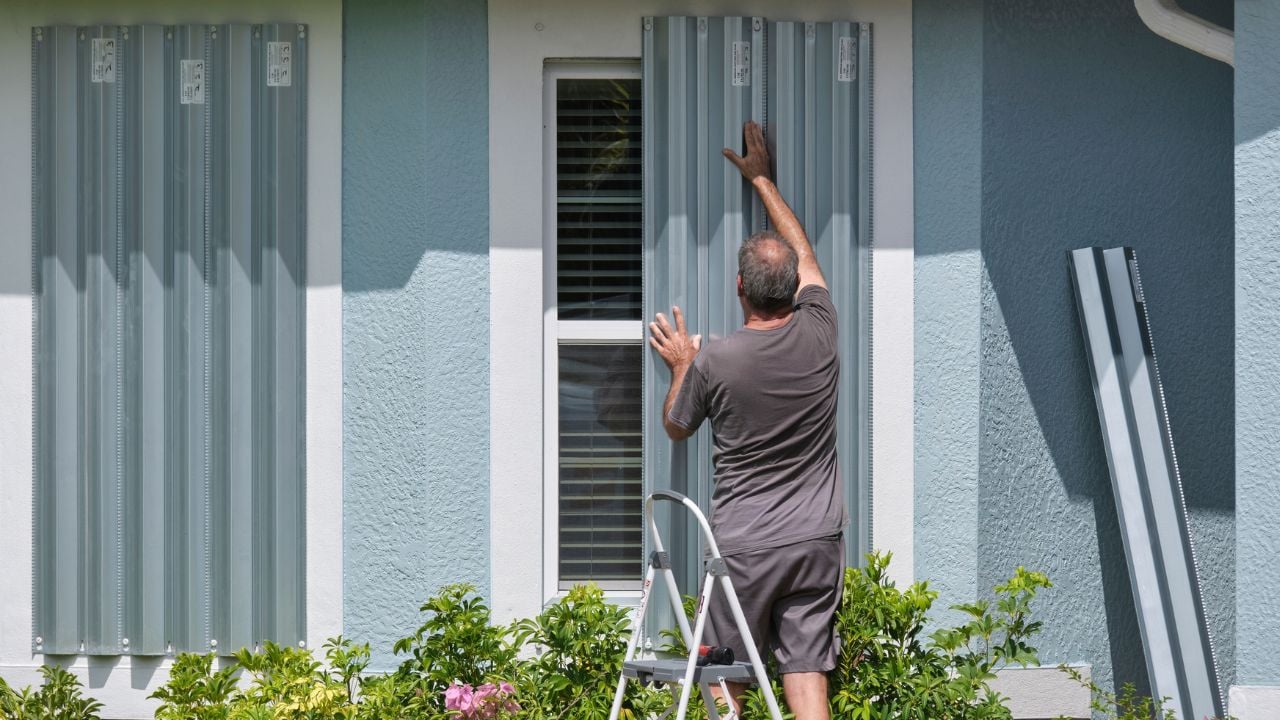
9 Hurricane Supplies Floridians Say Are a Waste of Money

More than half of Americans believe that taping an X across a window will keep it from shattering in a hurricane.
Florida emergency managers have spent years trying to talk homeowners out of it.
Tape isn’t the only item on a Florida hurricane checklist that doesn’t hold up once you look closer.
These are the hurricane supplies Floridians say are a waste of money.
1. Storm Window Film
Florida bans selling adhesive window film as hurricane or storm protection under a law many homeowners have never heard of, yet the product still shows up on prep lists every June.
Florida law makes it illegal to market or sell a product as hurricane, windstorm, or impact-resistant unless it clears the state’s own approval process.
The Florida Building Commission has never certified adhesive film on its own as meeting that standard.
Nothing backs the claim.
Film can help hold shattered glass together after a window fails, so it isn’t worthless as a minor upgrade.
It just isn’t what a Florida homeowner thinks they’re buying.
Actual protection against flying debris still comes down to rated shutters or impact-rated glass, both tested against a launched two-by-four, not a roll of film from the hardware aisle.
2. Storm Tape for Windows
Before nearly every storm, Floridians tape their windows into an X pattern, covering glass that doesn’t need it.
More than half of Americans believe that tape keeps a window from shattering in high wind, according to the Federal Alliance for Safe Homes.
It doesn’t.
The Federal Emergency Management Agency (FEMA) has said plainly that taping a window does nothing to keep it in its frame, and the tape can make the outcome worse.
A taped window that still shatters breaks into bigger, heavier shards instead of small ones, which means more injuries once the glass lets go.
A roll of tape costs a few dollars, and every one of them is better spent on fasteners for a set of shutters.
3. Pre-Filled Sandbags
Orlando’s Streets and Stormwater Division hands out free sandbags every summer, and cities and counties across Florida run similar giveaways once a storm enters the forecast.
That’s ten bags, no charge.
The bagged versions sold at a hardware store run several dollars each for the exact same sand a county truck gives away by the shovelful.
Sandbags only help with minor flooding under about 15 inches anyway, so they were never the fix for storm surge in the first place.
A county truck rolls into the same neighborhoods year after year, usually the week a storm enters the forecast.
4. Cases of Bottled Water
Florida water utilities keep reminding residents before every storm that the safest, cheapest water supply is already running through the tap.
Tampa Bay Water says tap water in the region is tested and regulated at least as strictly as anything sold in a bottle, and it costs less than a penny a gallon to fill at home.
Cases add up fast.
A household stocking the recommended gallon per person per day for three days can fill reused jugs, a cooler, or the bathtub for close to nothing instead of hauling cases out of a shopping cart.
Sports bottles, pitchers, and washed soda bottles all hold water just as well as anything with a brand name on it.
Bottled water still earns a spot in a quick grab-and-go bag, but a whole pantry shelf of cases is money a Florida household didn’t need to spend.
5. 25-Year Survival Buckets
A 25-year survival bucket sounds like the ultimate hurricane insurance for a Florida household.
It isn’t.
Costco sells a version with 150 freeze-dried servings inside for about $80, according to CBS News Miami, the local CBS television affiliate.
Nearly every meal inside needs added water to rehydrate, the exact resource a household is often rationing right after a storm.
A normal outage in Florida runs closer to a few days than a few decades.
Shelf-stable groceries already in the pantry, like peanut butter, canned soup, and crackers, cover that stretch for a fraction of the price.
A bucket built to outlast a crisis is the wrong tool for a Tuesday without power.
Psst! Skip the guesswork on what’s worth buying, then see how hurricane-ready your Florida home is with this checklist.
6. Whole-House Standby Generators
Florida homeowners who go straight for a whole-house standby generator often pay for far more power than a hurricane outage requires.
A high-capacity system can run past $10,000 before installation.
Installation alone can add several thousand dollars more.
That’s the expensive part.
A household that only needs to keep a fridge, a few fans, and phone chargers running through a short outage can cover that with a portable generator, priced between $500 and $2,500 by that same source.
Central air conditioning is usually why buyers upgrade to the bigger system.
Many portable units simply aren’t built to start central air conditioning.
7. Pre-Packed Hurricane Kits
Florida retailers bundle dozens of small items into one bag with one big price tag every summer.
A two-person kit at a major retailer runs well past $100 for a bag of generic gear: Batteries, a poncho, a whistle, a basic radio, water pouches.
A shopper can piece together the same items from a single store run, often for less than half that price.
The markup is the product.
A pre-packed kit does save a trip around the store, which is worth something to a household racing a forecast cone.
It just isn’t worth the premium when the season still has months ahead of it.
8. Extra Gas Cans
The moment a storm enters the forecast, Floridians load up on extra gas cans, often stockpiling more than the fuel will ever be good for.
Gasoline starts breaking down within a few months, CBS News Miami reports, so fuel bought at the start of hurricane season can go bad before a storm ever forms.
That’s stale before it’s needed.
Fire codes commonly cap home gasoline storage around 25 gallons total, with no single container larger than five gallons, which rules out the kind of stockpile some households try to keep.
A five-gallon can hauled loose in a hot trunk is also how house fires start, and it has happened at Florida gas stations during storm season more than once.
Filling up right before landfall, not weeks ahead, is the cheaper and safer move.
How Fast Florida Gas Goes Bad
Florida’s humidity is hard on stored gasoline, breaking it down faster than many drivers expect.
A can filled in June for a storm that doesn’t form until September has already sat past the point where the fuel stays reliable.
Stabilizer additives can stretch that window, but they don’t make the fuel last indefinitely.
The safer math is simple: Buy fuel a few days before landfall, run the tank down after the storm passes, and start over next time instead of carrying a stockpile all season.
9. Heavy Document Safes
A heavy floor safe seems like a smart hurricane buy to many Florida homeowners, right up until they realize it’s the one thing they can’t take with them.
A small fireproof, waterproof document bag protects the same passports, deeds, and insurance papers for a fraction of the price.
FEMA’s own Ready.gov site tells households to keep copies of critical documents in their disaster supply kit, not locked away where they can’t be reached in a hurry.
Weight is the difference.
A floor safe stays bolted to a closet through the whole evacuation, and whatever’s locked inside it stays behind too.
A document bag zips shut and goes straight into the car, along with the pets and the prescriptions.
Florida households that evacuate early are usually the households that packed light instead of loading a floor safe into the truck.
A document bag also travels well between homes, an advantage a bolted floor safe doesn’t offer during a Florida move or a rental turnover.
Emergency planners often suggest keeping a second copy of key documents with a family member out of state, a backup a heavy safe can’t provide no matter how fire-rated it is.
10 Things Only People Who Grew Up in Florida Understand
A kid in Ocala doesn’t need a weather app to know an afternoon storm is rolling in, and that kind of instinct never quite fades.
Growing up in Florida wires in a whole set of habits that outlast childhood, hurricane season included.
10 Things Only People Who Grew Up in Florida Understand
9 Things Florida Beachgoers Do That Instantly Mark Them as Locals, Not Tourists
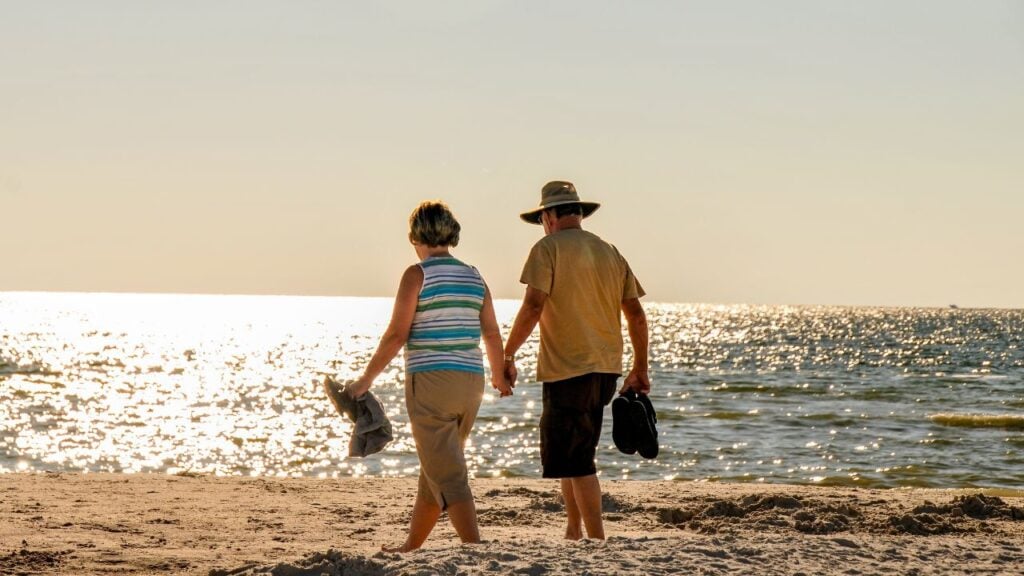
A regular at Fort Lauderdale Beach walks straight to one patch of sand and sets up without a second look.
A tourist a few feet away circles the same stretch three times, phone in hand, still deciding.
9 Things Florida Beachgoers Do That Instantly Mark Them as Locals, Not Tourists
