
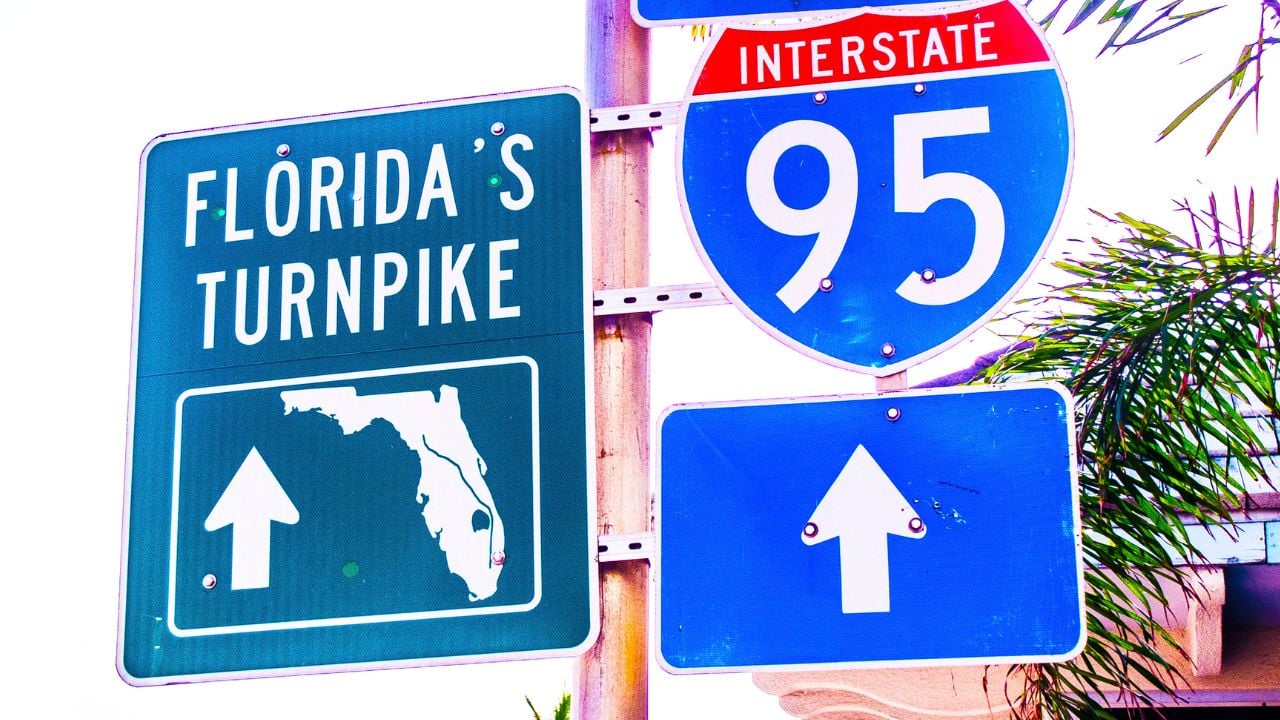
5 Things Floridians Used to Get for Free That Now Cost Money

A driver crosses a stretch of Florida’s Turnpike with no SunPass and without encountering a cash lane.
The toll still arrives in the mail, plus an extra fee for not having a transponder.
You never used to have to pay to drive on a road.
These are the everyday things Floridians used to get for free that now cost money.
Note: This is general information, not financial advice. Fees and program rules are subject to change.
1. Curbside Recycling in Pensacola
Pensacola’s curbside recycling program has a stranger history than many households realize: Free, then canceled, then revived for a monthly fee.
The city offered curbside recycling at no charge for years, with no separate line on the trash bill.
Contamination and rising hauling costs piled up.
Pensacola cut the free program in 2023.
Gone for good?
Pensacola brought curbside recycling back in 2025, but only as an add-on: Opt in, and the fee runs $32.99 a month.
Skip the bin: The trash-only bill drops to about $24.99.
Sorting cans and bottles now carries a monthly price, whether the bin fills up or not.
2. Dumping Trash in Hernando County
Rising disposal costs pushed Hernando County commissioners to end free landfill drop-offs.
Residents used to bring up to five bags of household trash to the landfill without paying a cent, no questions asked.
Commissioners made it official April 28, 2026, voting to end the free drop-off.
Since May 1, 2026, that same trip costs $5.
Five bags.
One flat fee.
The change lands on anyone who used to swing by the dump on a Saturday without a second thought.
3. Boat Launches in Citrus County
A Florida boat ramp that used to be free now charges every trailer $10 a day, or a Citrus County resident can buy an annual pass for $25.
Citrus County’s four public boat ramps stayed free for years before that.
The county’s fee program took effect January 1, 2022.
Non-residents pay $75 a year for the same pass.
One pass, four ramps.
Kayaks and jet skis count too, since the fee covers any watercraft, motorized or not.
Citrus County had already pulled in $372,458 in launch fees within the program’s first 20 months.
That adds up fast for a habit that cost nothing before 2022.
4. Parking Downtown in Fernandina Beach
Jeff Freese, a Fernandina Beach business owner, says paid parking has taken away the island’s laid-back pace.
Drivers parked along Centre Street and in the city lots for free for generations before that.
Not since February 2026.
The city commission approved metered parking that runs $2 to $4 an hour, with a 20-minute grace period before the meter kicks in.
Residents get two free annual permits.
Extra permits cost $24 apiece.
Visitors pay more: A nonresident annual permit runs $124, or $60 for a single month.
Nearly $580,000 in parking revenue rolled in during the program’s first six months.
Deputy City Manager Jeremiah Glisson says most of that money came from visitors, not residents.
A citizen-led referendum to repeal paid parking sits on the Fernandina Beach ballot August 18, 2026.
City commissioners could still keep the program in place even if voters repeal it, since overturning the result takes a four-of-five supermajority vote.
5. Paying County Bills by Card
Cash and paper checks still settle a Pinellas County utility bill for free.
A card payment costs $2.95 per $250 now.
That fee wasn’t there before 2010, when Pinellas County covered every card transaction cost on its own.
Pinellas County Utilities was spending $450,000 a year covering those costs.
Nearly half a million dollars.
The county switched to a third-party processor and added a convenience fee instead.
An electronic check costs less, just $1 per $50,000.
Many other Florida county offices charge a similar convenience fee for card payments now, from property tax bills to traffic fines.
Psst! How much have Florida’s everyday fees gone up? Sort the table below and see for yourself.
Turnpike Tolls Without a SunPass
Florida’s Turnpike dropped cash tolls on the 70-mile stretch between Kissimmee and I-75 back in 2020.
That corridor runs through Osceola, Orange, Marion, and Sumter counties, carrying commuters and theme park traffic alike.
Drivers without a SunPass never got a free ride there.
Skipping the transponder still costs more than using one.
Every invoice mailed to a driver without SunPass adds a $2.50 administrative fee.
That’s the price of skipping.
The toll itself costs more too.
SunPass accounts carry a built-in discount of about 20% over the standard rate, so a driver who skips the transponder pays extra twice: Once on the toll, once on the fee.
What Skipping SunPass Costs on Florida’s Turnpike
Florida’s Turnpike charges two separate penalties to a driver without a SunPass transponder on a cashless stretch.
The toll costs more first, since SunPass accounts carry a built-in discount of about 20% off the standard rate.
Every mailed invoice then adds a flat $2.50 administrative fee on top of that.
Both penalties land on the same invoice: The higher toll rate and the flat fee together.
Why More Florida Fees Are Coming
Florida counties and cities are eyeing even more fees as a November 2026 ballot measure threatens to shrink their property tax revenue.
The proposal would raise the homestead exemption from $50,000 to as much as $250,000, wiping out property taxes for more than 90% of homeowners.
Manatee County Commissioner George Kruse put it bluntly: Local governments may end up charging a fee for nearly every service they run.
Nearly everything.
Kruse named park admission, boat launches, and bus fares, all currently free in Manatee County, as services likely to carry a fee next.
Manatee County’s median home price sits closer to $422,000, a smaller cushion than wealthier counties will have once the new exemption takes effect.
9 Questions Every Floridian Dreads When Family Visits From up North
A brother-in-law from Buffalo drops his bag in the driveway and asks which tree is the orange tree.
The postcard version of Florida he grew up visiting is decades out of date.
He’s not the only relative who never caught up.
9 Questions Every Floridian Dreads When Family Visits From Up North
9 Things Florida Beachgoers Do That Instantly Mark Them as Locals, Not Tourists
A regular at Fort Lauderdale Beach walks straight to one patch of sand and sets up without a second look.
A tourist a few feet away circles the same stretch three times, phone still in hand, still picking a spot.
9 Things Florida Beachgoers Do That Instantly Mark Them as Locals, Not Tourists
