
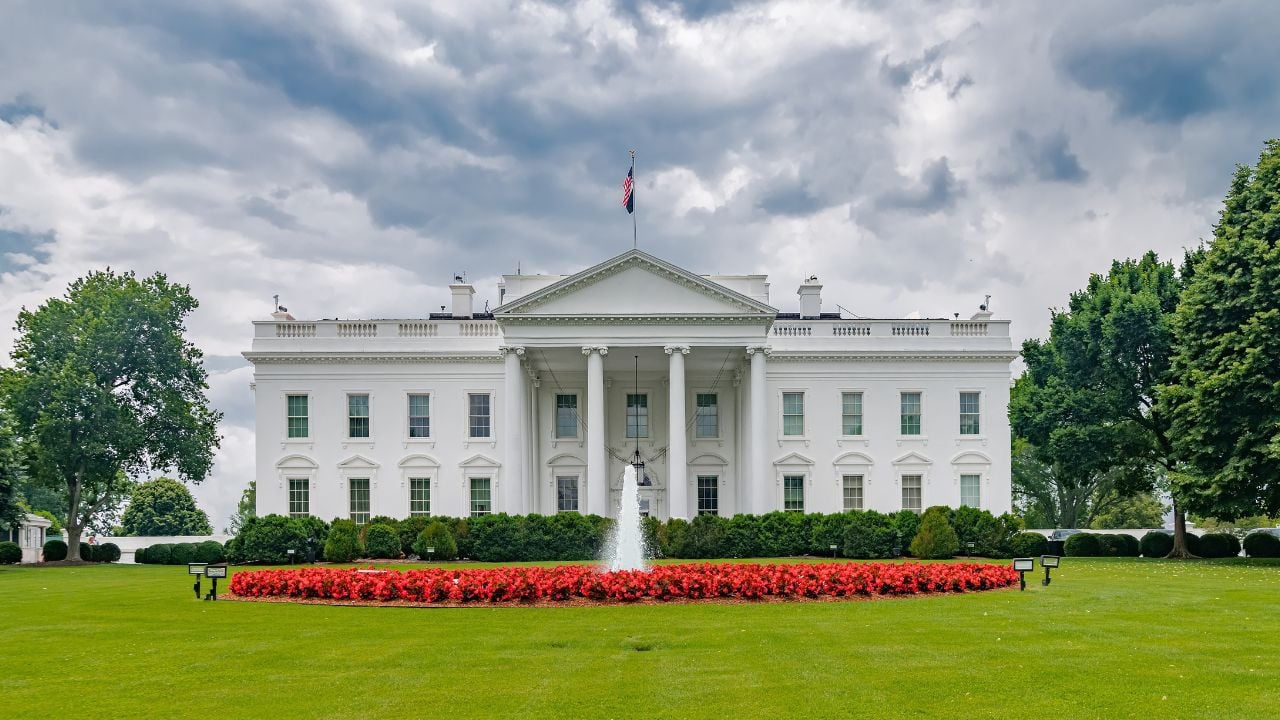
8 Things U.S. Presidents Pay for Out of Their Own Pocket That Floridians Never Knew

A guide at the Truman Little White House in Key West points out the card table where Harry Truman played poker on many nights across his eleven visits there.
Visitors on the tour usually assume Washington picked up every tab on those Florida trips.
It didn’t.
Even on vacation, a sitting president keeps paying personal bills that would surprise many Floridians.
1. Buying Back a Foreign Gift
A sitting president can’t just pocket a gift from a foreign head of state.
Federal rules cap what’s called “minimal value” at $525 as of 2026.
Anything a foreign government hands over above that line technically belongs to the United States, not the president.
If they want to keep it, the president has to buy it back from the government at fair market value first.
No shortcuts.
A federal appraiser logs and values every foreign painting, watch, or piece of jewelry, and personal funds decide what’s worth keeping.
What Counts as “Minimal Value”
The $525 figure only measures one gift’s retail price, not everything a president receives on a single trip.
A gift under that line is a keepsake, and the president keeps it at no cost.
A gift over that line belongs to the United States the moment it’s handed over.
The president can still bring it home, but only after paying the General Services Administration its fair market value.
The Reagan Presidential Library still shows visitors the exact math behind Reagan’s own $180 limit, a fraction of today’s threshold.
2. Paying Their Own Grocery Bill
The White House usher’s office sends presidents an itemized grocery bill every month, the same as any other family’s kitchen budget.
The tradition traces back to John Adams in 1800, according to a former White House chief usher, since the White House has always doubled as the president’s actual home.
Every plate counts, even on Thanksgiving.
One year’s holiday spread, turkey, ham, two kinds of stuffing, and six pies, landed on President Obama’s personal tab, not the government’s.
Michelle Obama once told Jimmy Kimmel Live! that ordering the wrong exotic fruit taught her a hard lesson: That was a $500 peach.
One peach.
“We shouldn’t be mooching off of the taxpayers,” she said, and the rule backs her up.
3. Covering Toothpaste and Tennis Balls
A president’s personal incidentals never touch the federal budget, no matter how small.
Toothpaste, deodorant, and dry cleaning all show up on that same monthly usher’s bill.
So do stranger line items.
A nonpartisan presidential transition briefing on White House finances lists tennis balls and hairdresser visits among the personal costs every First Family covers on its own, right alongside clothing and toiletries.
Even the tennis balls.
It’s a small reminder that living in the White House still means paying your own household bills.
4. Footing the Nanny’s Paycheck
Presidents who bring in a nanny or a babysitter for their kids pay that person directly, not through any government payroll.
The residence staff, including ushers, cooks, and curators, works for the government.
Personal household help works for the family alone.
That distinction has held for decades, spelled out in the same transition briefings that walk every incoming First Family through what’s personal and what isn’t.
Two very different paychecks.
5. Reimbursing Every Political Flight
A president who boards Air Force One for anything other than official government business owes the government money for the seat.
His own campaign committee, the political operation raised and spent in his name, reimburses the government for that seat, never the taxpayer.
The reimbursement rate matches what a comparable charter flight would cost, not Air Force One’s operating rate of roughly $206,000 an hour.
That still adds up fast.
The president and anyone traveling along for political reasons also have to cover their own food and lodging once they land, under rules that have stood for decades.
Nobody flies free.
Psst! How much do you know about presidential firsts? Take our quiz and see how many you can get right.
Quiz
Presidential Firsts Pop Quiz
Answer these questions on presidential firsts and history. We bet you can’t get them all right. Prove us wrong?
Which president became the first to ride in an automobile while in office, in 1902?
6. Funding the First Lady's Wardrobe
The president's own household covers what the first lady wears, since the spouse gets no government clothing budget at all, unlike the president's own official expense allowance.
Laura Bush wrote in her memoir that she was amazed by the sheer number of designer clothes she was expected to buy once she became first lady.
Rosalynn Carter made the same point decades earlier.
The Smithsonian's First Ladies collection notes she wore the same gold-trimmed gown to her husband's 1977 inauguration that she'd already worn six years earlier, at his Georgia governor's inauguration.
The Carters bought that gown themselves, years before he ever reached the White House.
No budget, no exceptions.
A first lady can still borrow or accept designer pieces for a big event, but federal ethics rules govern that arrangement carefully, too.
7. Renting Their Own Vacation House
Presidents cover the cost of their own vacation rental every time they leave the White House for somewhere private.
The Secret Service picks up security and staff housing, and that part runs on taxpayer money.
The house itself doesn't.
When the Obama family rented a farmhouse on Martha's Vineyard, a local realtor told ABC News the going rate ran $35,000 to $50,000 a week, and the family covered it themselves.
It's their own tab.
8. Catering Their Own Private Parties
A president who throws a private party foots the catering bill personally, the same as any other host.
A state dinner is government business, planned by the White House Chief Usher and Social Secretary alongside the State Department's Chief of Protocol.
Congress funds it through the White House's own official appropriations, not a State Department budget line.
A family reunion or a personal friend's overnight stay isn't.
That part falls on them.
The White House residence staff still serves the food and handles the cleanup, but the family pays for the extra hours and the ingredients out of pocket.
A different guest list means a different bill.
Where the Allowance Runs Out
Congress backs every president with a $400,000 salary plus a separate $50,000 annual expense allowance, none of it taxed and none of it required to be itemized, according to federal law.
Spend less than the limit, though, and the leftover reverts straight back to the U.S. Treasury.
Not a cent carries over.
Congress also sets aside separate travel and entertainment allowances for official business, and those numbers shift with each year's appropriations bill.
The moment a purchase falls outside official duties, it becomes personal money, not government money.
The Household Staff's Own History
The people who work inside the president's residence didn't always work for the government.
Household employees were hired and paid directly by the president in the White House's early decades, with no listing on any federal payroll, according to the White House Historical Association's own archives.
A doorkeeper named Edward McManus is the first to show up in the Federal Register, in 1855, drawing a $600 salary.
Federal, eventually.
William Slade became the first bonded steward under Andrew Johnson a decade later, and by 1889, a chief doorkeeper's salary had risen to $1,800 a year.
First lady Helen Taft restructured that staff again in 1909, bringing in a female housekeeper at $1,000 a year to take over the steward's old duties, per the same White House Historical Association archives.
7 Reasons People Are Leaving Florida in 2026
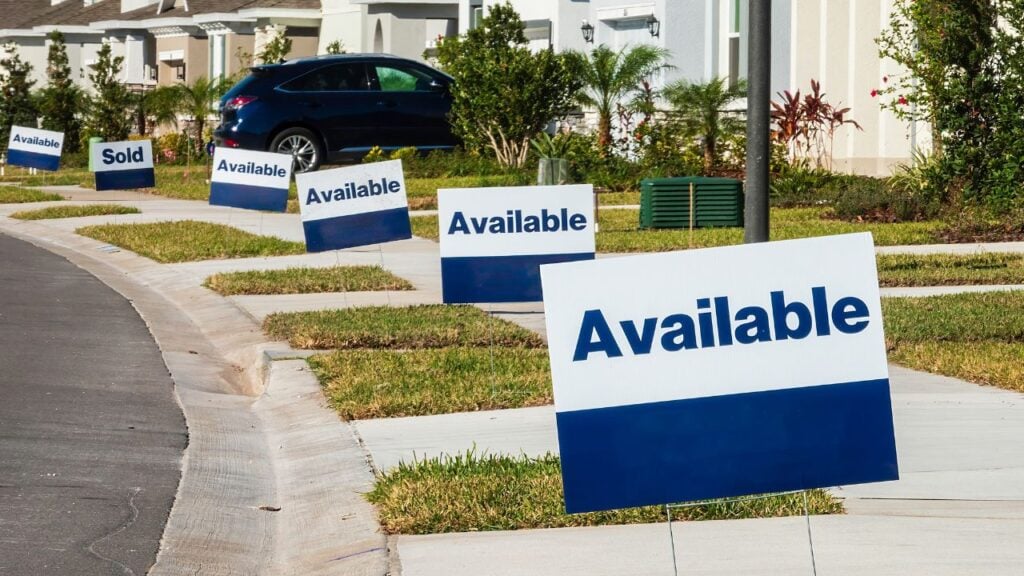
Florida gained a lot fewer new residents last year than it did just two years earlier.
Property taxes, condo bills, and hurricane season top the list of reasons some households are calling it quits.
7 Reasons People Are Leaving Florida in 2026
10 Things Only People Who Grew up in Florida Understand
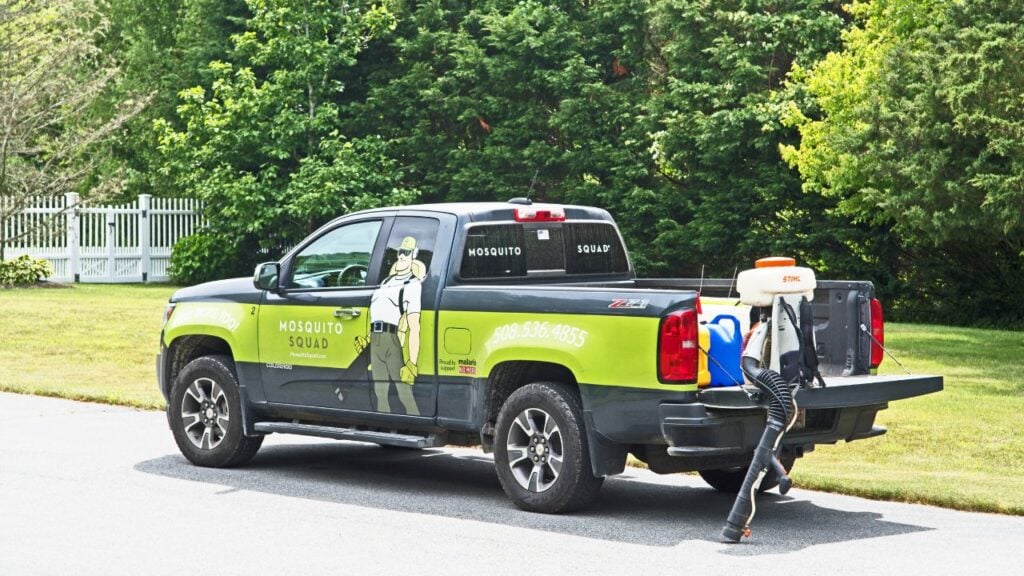
A Florida childhood runs on its own clock, right down to the afternoon storm that clears the pool on schedule.
These are the small, everyday things that mark someone as a true product of a Florida upbringing.
