
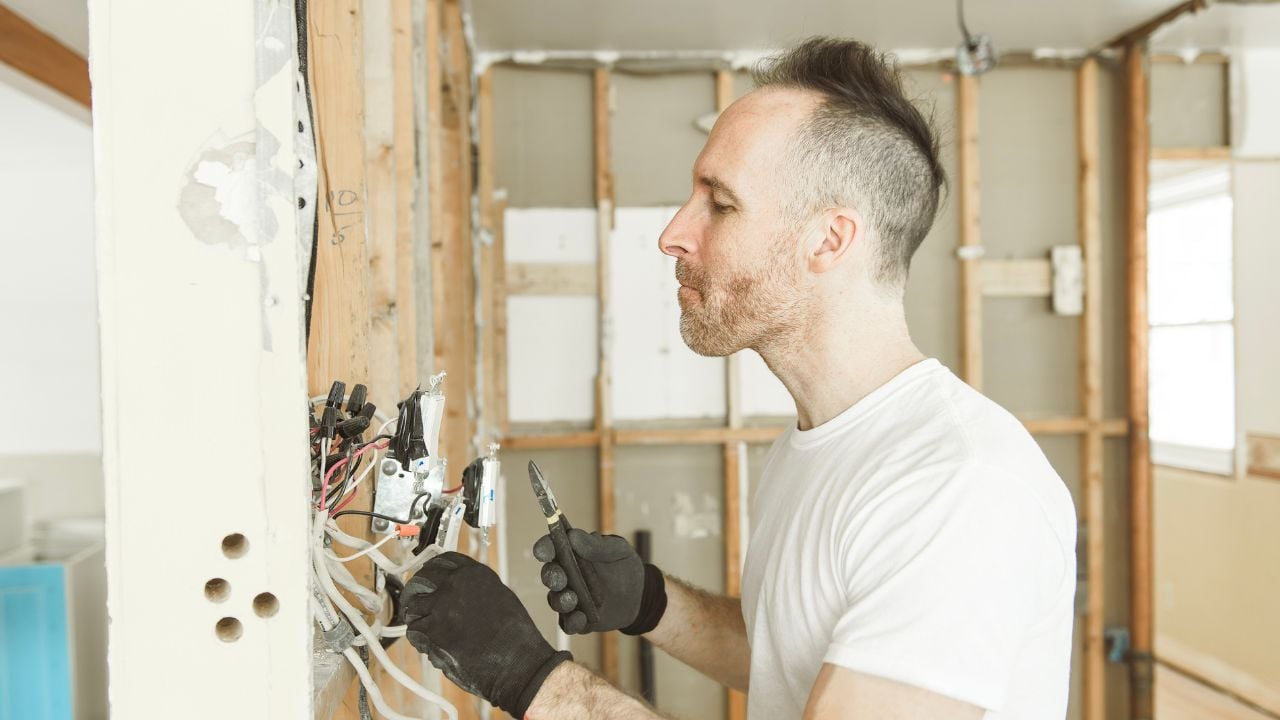
How Much Does It Cost to Rewire an Older House in Pennsylvania in 2026?

Rewiring an older house in Pennsylvania typically runs $8,000 to $30,000 for a full-house job.
That number rises past $36,000 once an electrician has to pull knob-and-tube wiring out of century-old plaster walls.
Pennsylvania’s housing stock is the fourth-oldest in the country, so more homeowners here run into that bill than in almost any other state.
Add a panel upgrade, a municipal permit, and an insurer that won’t renew the policy, and the total moves around even more.
Note: This is general information, not financial, legal, or insurance advice. Wiring costs, permit fees, and insurance requirements are subject to change.
What Rewiring Costs in Pennsylvania
Pennsylvania homeowners pricing out an older house rewire are starting from a national baseline that runs surprisingly wide.
A typical whole-house rewiring project averages $7,000, with the typical range running $1,100 to $13,000.
Materials alone run about $3,700 for a 2,000-square-foot house, according to Forbes Home’s pricing breakdown.
That’s just the wire.
An older Pennsylvania rowhouse or farmhouse pushes past the national average fast because of what’s behind the walls.
Plaster walls, horsehair lath, and rooms wired decades before central air all cost more labor hours to open and patch than drywall.
Plaster adds hours no drywall job needs.
Some homeowners offset a sliver of that bill by reselling leftover fixtures, switch plates, and spooled wire on Facebook Marketplace once the job wraps.
Pennsylvania’s Aging Housing Stock
Pennsylvania carries some of the oldest housing stock in the country, and that history shows up on every rewiring estimate.
The median house in the commonwealth is 57 years old, the fourth-oldest median in the nation behind only New York, Massachusetts, and Rhode Island.
A quarter of Pennsylvania’s occupied houses were built before 1940, per the state’s own housing finance agency.
That’s older wiring than many parts of the country ever have to think about.
Philadelphia’s median house dates to 1949, and Schuylkill County’s to 1944, so entire neighborhoods sit right in the knob-and-tube era.
Houses from that knob-and-tube era typically land at the top of the $8,000 to $30,000 rewiring range, and full knob-and-tube removal on those houses pushes past $36,000.
A house built between 1965 and 1973 carries a different problem instead: Solid-strand aluminum wiring, swapped in during a copper price spike, which loosens at outlets and overheats in ways copper doesn’t.
Both eras cost more.
Removing Knob-and-Tube Wiring
Knob-and-tube wiring is a major reason a Pennsylvania rewiring quote jumps past the national average.
Full replacement runs $12,000 to $36,600, depending on the size of the house, according to Insure.com.
That figure doesn’t include the walls.
Houses old enough to still have knob-and-tube tend to have plaster too, so opening and patching those walls adds a separate bill on top of the wiring.
Knob-and-tube wiring has no ground wire, so stray electricity has nowhere safe to go once a connection loosens or a circuit overloads.
Decades of remodeling made it worse in a lot of houses, since later owners packed insulation right up against wiring that was never built to handle the heat.
The fix is full removal.
It’s not a patch job.
Upgrading the Electrical Panel
Electrical panel upgrades ride along with a lot of rewiring jobs, especially in houses still running on a 60- or 100-amp box.
A panel replacement averages $1,300, with the typical range running $550 to $3,000.
A 200-amp panel box itself costs about $250 to $350 before labor, per Forbes Home’s breakdown, with installation adding four to eight hours of work.
Adding outlets while the walls are already open costs $100 to $200 per outlet, so it’s cheaper to add them during the same visit than to call an electrician back later.
Timing saves money.
Panel Upgrade vs. Full Rewire in Pennsylvania
A Pennsylvania panel upgrade only replaces the box that splits power to every circuit in the house.
An electrician can swap in a new 200-amp panel in a single day, and the knob-and-tube wiring behind the walls stays exactly where it was.
Insurers that flagged the old wiring in the first place usually still decline or surcharge the policy after a panel swap alone.
It’s the wiring, not the box on the wall, that carriers want gone.
Pennsylvania Electrical Permits
Pennsylvania requires a Uniform Construction Code building permit that covers electrical work before an electrician can start rewiring a house.
The rule applies statewide, but the fee itself is set locally.
There are no exceptions.
Some Pennsylvania municipalities run their own code office and set their own fee schedule.
Others hand the whole process to the state’s Department of Labor and Industry, which reviews the plans and issues the permit directly.
Either way, the fee generally falls in the same range Forbes Home cites nationally for a rewiring permit, $25 to $400, plus a small state training surcharge added to every Uniform Construction Code permit issued in Pennsylvania.
A panel-only permit tends to run cheaper, closer to the $50 to $350 Forbes Home reports for panel work alone.
Skip the permit, and a homeowner risks a stop-work order mid-job, plus trouble selling the house later without a signed-off inspection on file.
Psst! How much do you know about Pennsylvania’s electrical history? Take our quiz and see if you can ace it.
Quiz
Pennsylvania Wiring History Quiz
Answer these questions on Pennsylvania’s electrical history. We bet you can’t get them all right. Prove us wrong?
A Pennsylvania city switched on the world’s first three-wire electric lighting system in 1883, with Thomas Edison directing the work himself. Which city?
What Pennsylvania Electricians Charge
Pennsylvania electricians bill by the hour, and that labor line makes up a large share of a rewiring bill.
Licensed electricians nationally charge $50 to $150 an hour, per Forbes Home's survey of providers, and Pennsylvania rates fall inside that same range.
A whole-house rewiring job typically takes three to seven days to finish.
It's not a weekend fix.
That stretches total labor to $1,000 up to $7,400, averaging around $4,600 once the job is done.
Add an inspection, which runs $100 to $150, and the labor and paperwork alone can rival the cost of the wire.
That $50 to $150 hourly spread means the highest bid on a job can run three times the lowest one for identical work.
Insurance and Old Wiring
Insurance companies are often the reason a Pennsylvania homeowner starts pricing a rewire in the first place.
Many standard insurers won't write a policy on a house with active knob-and-tube wiring, and the specialty carriers that will write a policy charge 50% to 100% more every year.
That's not a one-time fee.
It repeats at every renewal until the wiring is gone.
Pennsylvania homeowners generally land in one of four spots: Full coverage at standard rates if they agree to rewire within about 30 days, a stripped-down Homeowners-8 (HO-8) policy that rebuilds with modern materials instead of matching the original plaster and hardwood, a specialty policy at the higher premium, or the state's Fair Access to Insurance Requirements (FAIR) Plan, a government-backed insurer of last resort, when every private company says no.
Insure.com quotes the Insurance Information Institute on one reason renovations make old wiring worse: Insulation packed against knob-and-tube during a remodel traps heat the system was never built to handle.
Leaving knob-and-tube off an insurance application doesn't avoid the problem, either.
It can void the policy the moment a Pennsylvania homeowner files a claim.
FAQ
Quick, straight answers to what Pennsylvania homeowners ask most about the cost to rewire an old house.
How much does it cost to rewire an old house in Pennsylvania?
Whole-house rewiring in an older Pennsylvania home typically runs $8,000 to $30,000. Jobs that involve removing knob-and-tube wiring from plaster walls can rise past $36,000.
How much does it cost to remove knob-and-tube wiring?
Full knob-and-tube replacement runs $12,000 to $36,600 depending on the size of the house, plus a separate cost to open and patch the walls.
Will homeowners insurance cover a Pennsylvania house with knob-and-tube wiring?
Many standard insurers won't write a policy on active knob-and-tube wiring. Specialty carriers will, but they typically charge 50% to 100% more than a standard policy.
Do I need a permit to rewire a house in Pennsylvania?
Yes. Pennsylvania's Uniform Construction Code requires a building permit that covers electrical work before work starts, with the fee set by the local municipality or, in some areas, the state.
How much does an electrical panel upgrade cost in Pennsylvania?
A panel replacement averages $1,300 nationally, with the typical range running $550 to $3,000 depending on the amperage and the labor involved.
Every Uniform Construction Code permit in Pennsylvania carries a state training surcharge, raised from $4.00 to $4.50 under a 2017 law.
That surcharge funds the continuing education for the code officials who sign off on the inspection before the job counts as done.
8 Overlooked Thrift Store Sections Where Pennsylvanians Can Score the Best Finds

A shopper walks all 30,000 square feet of a New Holland thrift store and leaves with just two shirts.
She passed the good shelves four times without knowing it.
8 Overlooked Thrift Store Sections Where Pennsylvanians Can Score the Best Finds
9 Signs You Grew Up in a Pennsylvania Steel Town
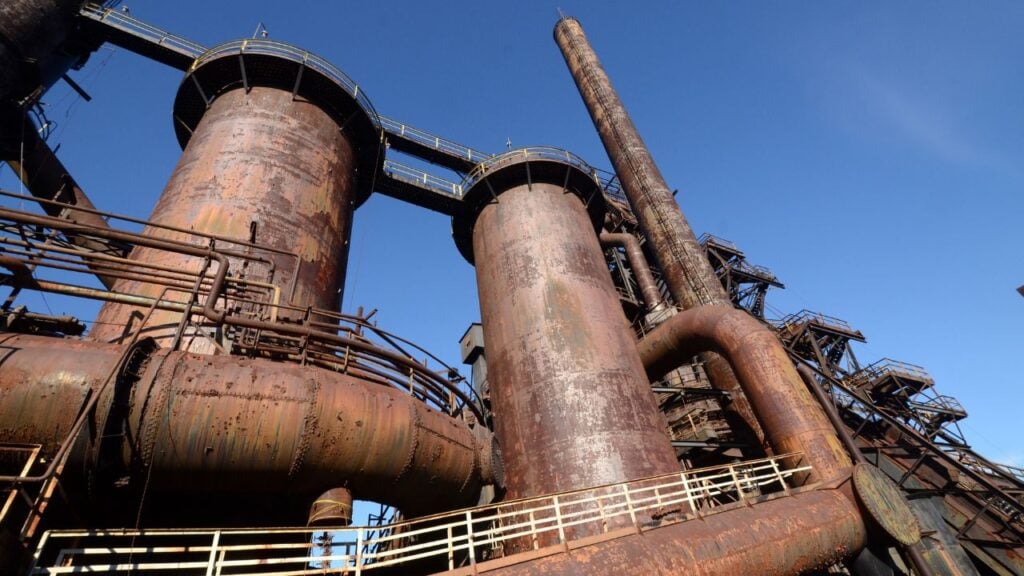
Bethlehem Steel once ran the biggest mill many Pennsylvania families had ever seen, and an entire way of raising a family grew up around it.
Every Sunday, every summer, and every ordinary Tuesday bent around one furnace's schedule.
