
9 Hurricane Prep Steps South Carolina Homeowners Put Off Until It’s Too Late

September 10 is the historical peak of hurricane season. By then, some South Carolina homeowners are still working through a prep list they started back in June.
A shutter order placed too late. A tree nobody called anyone about. A policy nobody reviewed.
These are the hurricane prep steps some South Carolinians put off until it’s too late.
Note: This is general information, not insurance, financial, or legal advice. Insurance rules, grant programs, and deadlines are subject to change.
1. Waiting to Buy Your Flood Insurance
South Carolina homeowners who wait for a storm to enter the forecast before buying flood insurance are already too late.
Standard homeowners policies don’t cover flood damage, storm surge included.
Flood coverage runs through the National Flood Insurance Program, and the South Carolina Department of Insurance is direct about the catch: There’s a thirty-day wait before a new policy takes effect.
Buy a policy the week a storm forms in the Atlantic, and it won’t cover that storm.
Not one dollar of it.
The wait disappears only when a mortgage lender requires flood coverage at closing.
Everyone else needs the policy in place a full month before landfall, not a few days.
2. Skipping Your Home Inventory
A South Carolina homeowner who never photographs their own house is gambling everything on memory once a hurricane comes through.
The South Carolina Department of Insurance tells residents to build a room-by-room inventory of their belongings, with photos, before anything happens to them.
That’s easy to put off when nothing’s wrong yet.
The inventory needs to happen now, not once something’s already wrong.
Once wind or water gets inside, a homeowner is left trying to recall, item by item, what the guest room even had in it.
Save the photos somewhere that isn’t the house.
A phone backed up to the cloud works.
A drawer in the same house that just flooded doesn’t.
3. Putting off Your Insurance Review
South Carolina’s insurance companies don’t wait around either.
Once a storm is named and looks likely to affect the state, many carriers freeze new policies and block changes to existing coverage, per the state’s own Department of Insurance.
No new limits.
Endorsements stop too.
No new policy, period.
A homeowner who meant to raise their dwelling coverage or add wind protection this spring, but never made the change, carries whatever coverage was on file the day the storm got a name.
Reviewing a policy takes an hour with an agent, done on any random Tuesday in May.
Waiting turns that hour into a locked door.
South Carolina’s Catastrophe Savings Account Covers That Deductible
South Carolina lets homeowners open a Catastrophe Savings Account that keeps hurricane-deductible money separate from a regular savings account.
A homeowner with a deductible of $1,000 or less can set aside up to $2,000 in the account.
Anyone with a bigger deductible can save up to twice that amount, capped at $15,000.
Contributions come off South Carolina taxable income.
Money withdrawn to pay a storm deductible, once the governor declares an emergency, stays tax-free too.
4. Letting Your Window Protection Slide
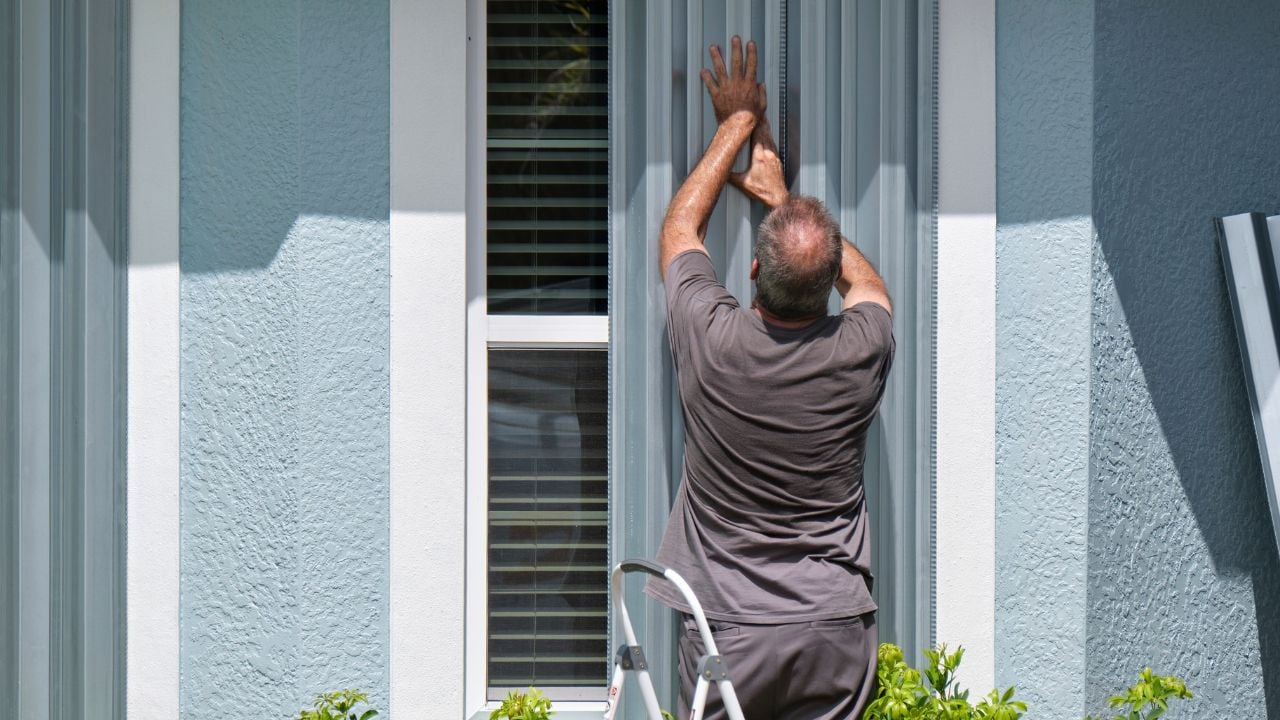
Hurricane shutters and impact windows are a South Carolina homeowner’s best defense against flying debris, and they’re also the prep step with the longest fuse.
Every shutter or window is custom-built to the exact size of its opening.
Installers spend their spring booked with orders placed months earlier.
Call in June or July, once the season is already open, and a full house of openings often can’t be measured, built, and installed before that year’s storms peak.
The shutters made to fit a South Carolina home don’t come off a shelf.
They come off a list.
5. Sleeping on Your SC Safe Home Grant
South Carolina runs a program that pays homeowners directly to strengthen their own roof against a hurricane, called South Carolina Safe Home (SC Safe Home).
The program, open to owner-occupied homes in eleven South Carolina counties, pays toward roof retrofits, storm shutters, and reinforced garage doors, with the top tier reaching up to $7,500 depending on the type of work and the homeowner’s income.
SC Safe Home doesn’t run as a standing waitlist a homeowner can join anytime.
It opens for a funded application window instead, and that window closes again the moment the money runs out.
One window this year opened February 10 and was gone by June 2, months before hurricane season even peaked; a second window opened July 13.
The state also has to approve an application before any work starts, so a homeowner who’s already paid for the job out of pocket can’t apply for reimbursement after the fact.
Applying “early” only means something once a window is open, so the smart move is watching the SC Safe Home portal for the next one instead of assuming a spot is banked in advance.
Psst! How many of these South Carolina hurricane prep moves have you already knocked out? Run through this checklist and see how ready you already are.
6. Ignoring Dead Trees Near Your House
South Carolina’s oak canopy is gorgeous until a dead limb comes down in hurricane-force wind.
Clemson Extension’s guidance is straightforward: Trees within striking distance of the house should be examined regularly for signs of decline or structural issues, with anything weak or dead removed well before storm season.
Do it early.
A hurricane watch or warning is the wrong time to start pruning. Cutting once the wind is already picking up can loosen a limb that would’ve held if it had been trimmed properly weeks earlier.
Arborists know this, and their calendars fill up fast once storms start stacking up in the tropics.
A homeowner who waits for a convenient weekend may not get one before the limb comes down.
7. Never Checking Your Evacuation Zone
South Carolina divides its entire coast into hurricane evacuation zones, and many homeowners couldn’t say which one covers their own street.
Know Your Zone, the state’s free lookup tool, answers that question in under a minute with a home address.
Check it now.
Wait for an evacuation order to look it up, and a homeowner is suddenly cross-referencing a zone map while packing the car.
That’s the worst possible moment to learn you live in Zone A.
Checking now costs nothing, and it takes less time than the search does.
8. Leaving Your Generator Untested
A generator that’s sat untouched in a South Carolina garage since last hurricane season is a gamble the first time the power goes out.
The U.S. Consumer Product Safety Commission (CPSC) put it plainly ahead of this year’s season: The safest time to act is before the power goes out, not during the storm.
South Carolina’s State Fire Marshal issued that same warning after Hurricane Matthew in 2016.
Test it now.
The fix costs nothing but a few minutes: Start the generator, run it under load, and keep it at least 20 feet from the house with the exhaust pointed away from windows and doors.
Skip that test, and the first attempt happens in the dark, in the rain, with the family waiting on it to work.
9. Waiting to Book Your Boat Haul-Out Slot
South Carolina boat owners who wait for a watch to book a haul-out slot usually find the marina’s yard already full.
Charleston-area marinas already run close to capacity in a typical year.
At least one keeps a running wait list just for a slip, per the Post and Courier’s own reporting on the local boating scene.
Add a hurricane to that math, and marinas expect boat owners to have a written hurricane plan already on file, spelling out exactly where the boat goes and who’s responsible for getting it there.
Book it early.
File the plan in the spring, and a slot is still open.
Wait until a storm has a name.
By then the boatyard is already full of boats that got there first.
9 South Carolina Squatter Rules That Leave Homeowners Powerless
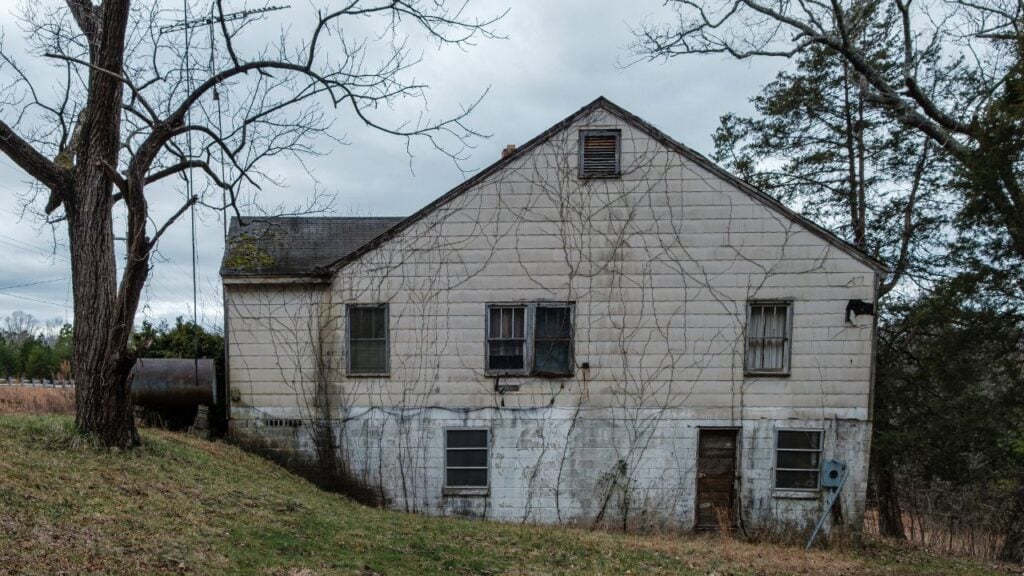
A stranger’s mattress turning up in an empty Horry County beach house is the kind of thing that makes an owner want to change the locks that same night.
South Carolina’s squatter laws don’t reward that instinct, and getting the timeline wrong can cost a homeowner more than the break-in ever did.
9 South Carolina Squatter Rules That Leave Homeowners Powerless
11 Culture Shocks People Experience When Moving to South Carolina
An alligator that’s lived in the retention pond behind the cul-de-sac since spring is just one of the things nobody mentions before closing on a South Carolina house.
New arrivals find out the rest of it the hard way, one unfamiliar rule and one odd local habit at a time.
11 Culture Shocks People Experience When Moving to South Carolina
