

9 New York Abandoned-Property Laws That Don’t Work the Way You Assume

H&M once handed New York $18 million it never meant to give up: Forgotten balances sitting on customer gift cards, swept up by the state’s abandoned-property law.
The retailer never got a vote in the matter.
New York’s Office of Unclaimed Funds runs on that same law behind the scenes, working through millions of forgotten paychecks, bank accounts, and safe deposit boxes many New Yorkers never think about.
Here’s how New York handles money like that, and it rarely matches what people assume.
Note: This is general information, not legal advice. Property and banking rules are subject to change, so confirm the current details with the New York State Comptroller’s Office.
1. What Counts as Abandoned Property in New York?
New York’s Abandoned Property Law has nothing to do with a boarded-up house or a lawn gone wild.
No deeds are involved.
The law covers money instead: Bank accounts, uncashed paychecks, insurance payouts, and old stock certificates a company can no longer track down.
Life insurance money gets its own trigger under Article 7 of the law: A policy’s proceeds count as abandoned once they go unclaimed for three years, or once the insured would have reached the oldest age on the industry’s mortality tables, whichever comes first.
That second clock keeps running even when nobody has ever reported the insured person’s death.
New York’s Office of the State Comptroller runs the whole program, not a housing court or a sheriff’s sale.
Confuse the two, and you’ll go looking for your money in the wrong office entirely.
2. Banks Don’t Keep What You Forget
A New York bank doesn’t get to hold onto an account you forgot about.
Three years is the limit.
Once a checking account, a savings account, or a credit union share sits untouched for three years, state law requires the bank to report it to New York’s Office of Unclaimed Funds as abandoned property.
The money doesn’t become the bank’s.
It moves to Albany instead, and the bank loses any claim to it the moment the paperwork clears.
3. New York Banks Follow a Strict Script Before Touching Your Safe Deposit Box
A New York bank must work through a strict legal sequence before it can drill open an abandoned safe deposit box and empty whatever’s inside.
State banking law spells out the whole sequence first.
Once rent goes unpaid for a year, the bank has to mail certified notice, wait 30 more days, then open the box with a notary and a bank officer present to log every item inside.
No drill-and-dump.
The bank then has to hold everything for at least two years, charging nothing beyond the original rental fee.
Only after that can anything with resale value go to a public auction, advertised in the newspaper first.
Personal papers and keepsakes with no resale value sit in storage for up to ten years before a bank can destroy them.
New York never destroys old military medals at all, forwarding those straight to the state’s Division of Military and Naval Affairs instead.
4. Your Gift Card Balance Doesn’t Vanish
A New York store can’t just let a stalled gift card balance disappear into its own bottom line.
State law already stops the clock on expiration, keeping many gift cards valid for nine years after the last time someone loads money onto one.
But that doesn’t mean the balance sits with the retailer forever.
After five years of no activity, the retailer has to report that unused balance to the state comptroller’s office as abandoned property, years before the card itself would ever expire.
Five years is what counts.
In 2022 alone, New York’s Office of Unclaimed Funds collected $48 million in unused gift card balances, including an $18 million settlement from H&M and nearly $3 million from Apple.
The store loses the money either way.
5. Is There a Deadline to Claim Your Money in New York?
New York keeps a claim on your own money open indefinitely, with no clock attached.
No expiration date.
No use-it-or-lose-it window, either.
Once a bank, employer, or insurer reports an account to the state comptroller’s office, that money sits there, waiting, for as long as it takes.
Some of the accounts in New York’s database go back to the 1940s.
The state will still cut a check to whoever proves they own one.
There’s no fee to search for it, and no fee to file the claim, either.
6. How New York’s Abandoned Property Fund Works
New York’s Abandoned Property Law doesn’t let the comptroller’s office just lock away whatever it collects.
State law, including Section 1404, requires the office to convert abandoned property into cash and deposit it into a single pooled account called the abandoned property fund, not a labeled account sitting under your name.
That fund pays every claim.
Nothing else does.
If the fund ever falls short, state law puts New York itself on the hook for the difference.
New York currently owes more than $20 billion in reported, outstanding unclaimed property.
According to New York Focus’s reporting, the office keeps only around $100 million on hand in reserve at any given time, a fraction of what it owes.
Once the state approves your claim, it pays out of that pooled fund and current operations, not a locked box holding your exact dollars since the day they arrived.
7. You Don’t Have to Pay to Claim It
You don’t have to pay anyone to get your own money back from New York.
Not a cent.
The comptroller’s office runs the search and the claim directly, free, with no company or commission required.
Private “finder” services still exist, and some track down forgotten accounts before the state ever advertises them.
New York law still limits what they can charge, capping any finder’s fee at 15% of whatever it recovers on your behalf.
Skip the middleman, and that whole cut stays in your pocket.
How New York’s Unclaimed Funds Search Works
New York’s own database only needs a last name to start.
Type in a last name or business name, then narrow the results by first name, city, or postal code.
Try a nickname or a common misspelling if nothing turns up at first.
Filing a claim asks for a date of birth, Social Security number, and mailing address.
New York pays many approved claims within 30 days.
Since January 2025, New York mails a check automatically for any newly reported amount of $250 or less, so some people collect the money without ever filing a claim at all.
8. Moving Away Doesn’t Cancel Your Claim
Moving out of New York doesn’t cancel a claim already sitting in the state’s system.
A U.S. Supreme Court decision settled exactly which state gets to hold an abandoned account, back in 1965, in a case called Texas v. New Jersey.
The ruling gives the claim to whichever state shows up as the owner’s last known address on the company’s own records.
Lived in Buffalo, Rochester, or Yonkers when an account went dormant?
New York holds that claim, even for someone who has since spent a decade in Florida.
Distance doesn’t erase it.
Only when a company has no address on file at all does the property default to wherever that company is incorporated.
A current postal code has nothing to do with it.
Psst! How much do you know about New York’s history and state government? Take our quiz and see if you can ace it.
Quiz
New York History IQ
Answer these questions on New York’s founding, symbols, and state government. We bet you can’t get them all right. Prove us wrong?
The legal word “escheat,” used when property reverts to the state, traces back to a Latin verb that means what?
9. Heirs Can Still Claim a Relative's Money
A death in the family doesn't erase a claim on money New York is already holding.
Heirs and estate representatives can step in and collect it, with the right paperwork.
It doesn't disappear.
Every claim like this starts with a death certificate and proof the deceased person owned the property.
A court-appointed executor or administrator adds a certificate from the Surrogate's Court, dated within the last six months.
Without a court appointment, a spouse, child, parent, or sibling can still claim smaller amounts under $1,000 with a small estate affidavit and a signed table of heirs.
Above that line, New York requires the formal Surrogate's Court process before it releases a single dollar to anyone.
9 Things New York Landlords Can Legally Do That Renters Assume Are Illegal
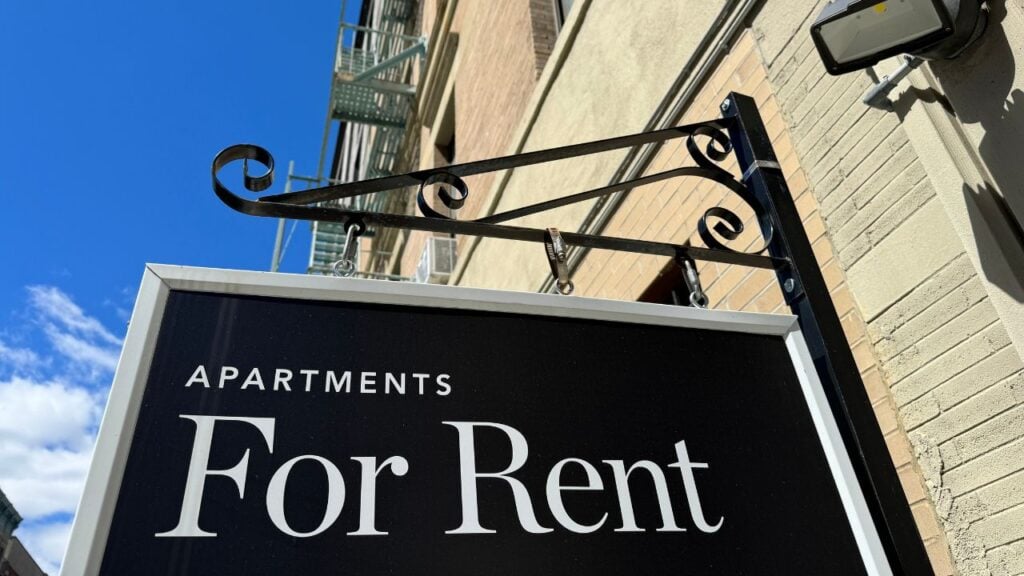
A new tenant protection law doesn't mean every landlord move is suddenly off the table.
These are the things a New York landlord can still legally do that many renters assume crossed a line years ago.
9 Things New York Landlords Can Legally Do That Renters Assume Are Illegal
9 Things That Confuse First-Time Visitors to New York
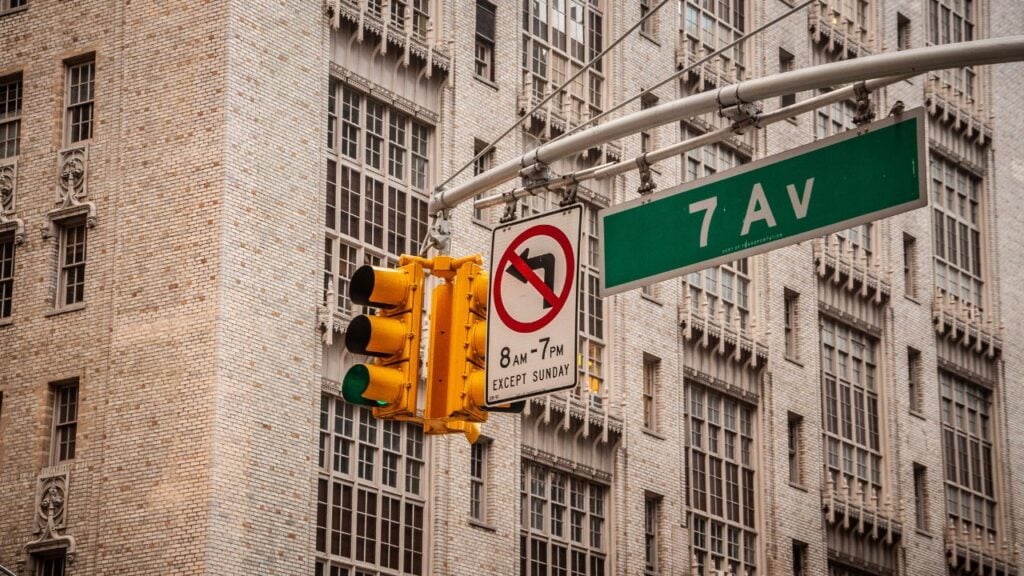
New York runs on a set of rules and habits that make perfect sense to a local and none at all to a first-time visitor.
These are the moments that leave a newcomer standing in a New York store, aisle, or sidewalk completely lost.
