
9 Old-School Cleaning Habits South Carolinians Swear By That Do More Harm Than Good

Every South Carolina grandmother who ever ran a household kept a cleaning trick nobody questioned, passed down long before anyone thought to check whether it worked.
A few of those tricks have been doing damage the whole time.
These are the old-school cleaning habits South Carolinians still swear by that do more harm than good.
1. Vinegar on Marble
South Carolinians who wipe down a marble mantel or foyer floor with a vinegar-and-water solution think they’re reaching for the gentle, natural option.
They’re not.
Vinegar’s acetic acid reacts with the calcium carbonate inside marble, limestone, and travertine, and leaves behind a dull, cloudy etch mark on the stone’s surface.
That mark doesn’t buff out with a little elbow grease.
Professional stone restoration is often the only fix, and a marble stoop or hearth in a historic Charleston or Beaufort house can be original to the building.
One wipe, permanent record.
Plain dish soap and warm water clean marble just as well without touching the stone’s chemistry.
2. Mayonnaise on Water Rings
A white ring left behind by a cold glass on a South Carolina dining table gets the same fix in nearly every kitchen: A dab of mayonnaise, rubbed into the wood and left to work overnight.
It rarely works.
Mayo’s oil fills the ring with a greasy film that masks the color instead of lifting the stain out, and the same tip’s own source admits some watermarks come back worse, not better, once the oil dries.
Leave the mayonnaise on too long and the oil itself turns rancid, drawing gnats and pets to lick at a good tabletop.
A quick trick, a slower mess.
A polish made for wood, or a proper refinish, lifts the same ring without the smell.
3. Waxing Over Old Wax
South Carolina heart pine and oak floors waxed every spring for years are carrying more old wax than anyone realizes, coat after coat, hidden under a shine that looks freshly done.
None of that old wax just disappears.
Each fresh coat piles on top of the last, and the buildup hardens into a cloudy, slippery film underfoot.
Wax now, strip later.
A floor finished in polyurethane should never see wax at all because a new coat of finish can’t bond over it once it’s time to refinish, and stripping every layer back off becomes its own expensive job.
4. Newspaper on Windows
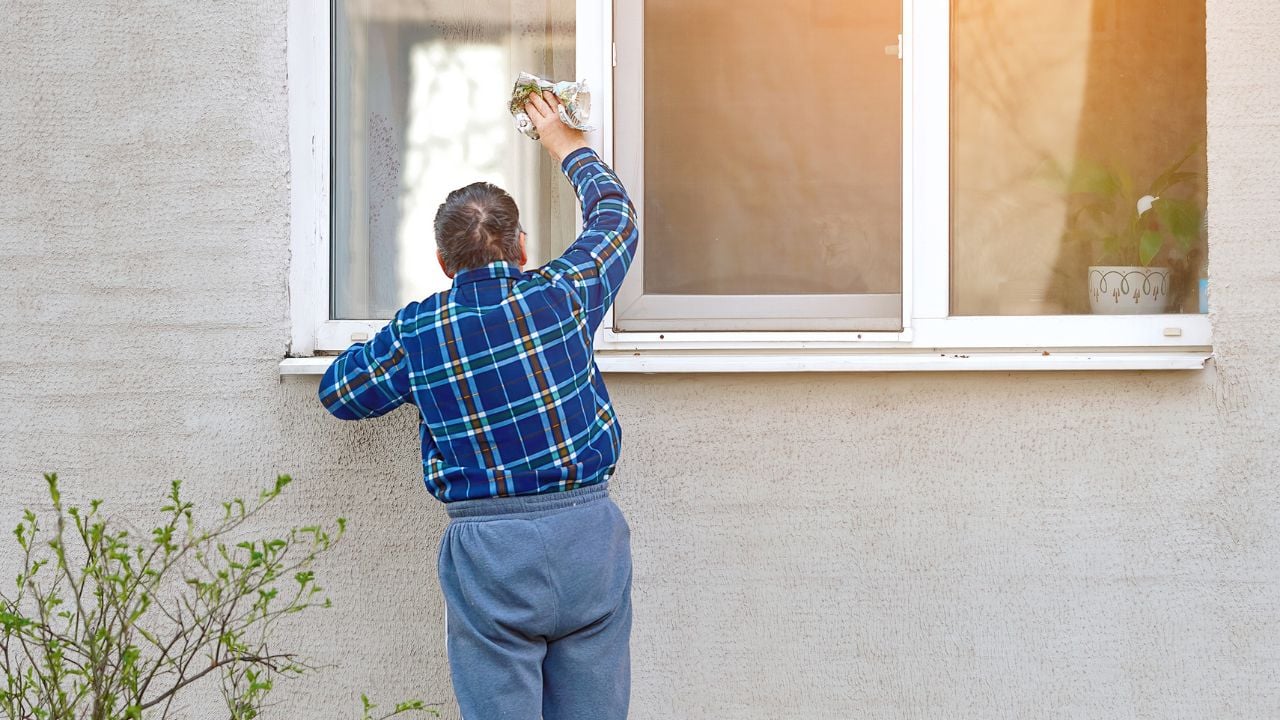
A crumpled section of newspaper and a spray bottle of vinegar water is still the go-to for streak-free South Carolina windows, a trick passed down since before paper towels were common.
Skip it.
Wet newsprint smears its ink onto the glass and the window frame the moment the vinegar water hits the page, and no amount of wiping lifts it clean on the first pass.
Window makers separately warn that abrasive cleaners and rough materials can wear down the low-E coatings built into most replacement windows today, but the ink stain is the one problem newsprint causes every single time.
A stain, not a shine.
A plain microfiber cloth or a squeegee gets the same streak-free glass without any of the risk.
5. Bleach Plus Ammonia
A splash of ammonia-based cleaner poured into a bucket of bleach water for extra muscle is a stubborn shortcut in South Carolina laundry rooms and kitchens alike.
It doesn’t add muscle.
The two chemicals react and release chloramine gas, and it doesn’t take much of it to burn the eyes, throat, and lungs.
Not extra clean.
A splash of one ordinary spray is all it takes to turn a kitchen into a hazard zone, and the smell hits before anyone realizes what happened.
Never mix bleach with an ammonia-based cleaner, full stop, no matter how stubborn the stain.
Where Ammonia Hides in Your Cleaning Cart
The bigger danger in a South Carolina laundry room usually sits on the shelf right next to the bleach, not inside the bottle.
Many everyday glass cleaners and multi-surface sprays carry ammonia on the ingredient label, even when the bottle never uses that word on the front.
Mix one of those into the same bucket or mop water as bleach, and the two react to form chloramine gas within seconds, not minutes.
The safer habit is one active cleaner at a time, with a window cracked for airflow.
Rinse the bucket completely before switching to a different product.
If the fumes ever catch someone before the window’s open, get them to fresh air right away and call Poison Control at 1-800-222-1222 for next steps.
6. Extra Bleach on Whites
South Carolinians soaking church clothes or bed linens in extra bleach for extra whiteness are working against their own laundry.
More bleach doesn’t mean brighter.
Chlorine oxidation breaks the molecular chains inside cotton fibers. One commercial laundry maker puts it plainly: More bleach doesn’t whiten better, it just weakens fibers faster.
Keep it up wash after wash, and the fabric turns thinner, more brittle, and, on many blends, an irreversible yellow instead of a brighter white.
The opposite of the goal.
Once a month, well-diluted, and only on fabrics the care label allows, is the whole safe playbook.
Psst! How many of these old cleaning legends can you call correctly? Flip each card and see how you do.
7. Boiling Water Down the Drain
A full kettle of boiling water poured straight down the kitchen drain to melt away grease is a habit that has outlived the pipes underneath many South Carolina homes.
Not anymore.
Many homes now run on polyvinyl chloride (PVC) drain lines instead of the old cast iron, and one major pipe maker rates PVC for no more than 140 degrees before the plastic starts to lose its strength.
Boiling water runs a good 70 degrees past that limit.
It can soften, warp, or crack a pipe long before the water ever reaches the grease clog it was meant to clear.
Hot, not helpful.
A kettle of hot tap water with a little dish soap clears the same grease without stressing a single joint.
8. Mothballs After a Closet Clean-Out
South Carolinians who spend a spring Saturday scrubbing out a cedar chest or closet shelf by shelf still finish the job the way their mothers did, with a handful of mothballs tossed in as the last step once everything’s wiped down and put away.
That last step isn’t harmless.
Mothballs release naphthalene gas as they slowly break down, and the chemical is banned outright in the European Union and the United Kingdom for its toxicity.
In a closed trunk or a small closet, that gas builds up fast.
It can damage red blood cells and cause serious breathing trouble, especially for kids and pets who end up closer to the fumes than anyone planned.
Cedar alone works fine.
The wood’s natural oils repel moths on their own, and a freshly cleaned closet doesn’t need anything extra dropped in to stay that way.
9. Toothpaste on Silver
Grandmother’s silver tea service comes out of a South Carolina cabinet once a year, and a dab of toothpaste on a rag is still the go-to way to buff away the tarnish.
Toothpaste is a mild abrasive, and it can scratch silver plate in a way solid sterling barely notices, since the plating on many heirloom pieces is only a thin layer over base metal, nothing like solid sterling.
That thin layer forgives nothing.
Rub hard and often enough, and that dull, foggy look is scratches from the toothpaste, not more tarnish forming underneath.
A proper silver polish or a baking-soda-and-foil bath lifts the same tarnish without sanding down the metal underneath.
9 South Carolina Foods That Confuse Anyone Who Didn’t Grow up With Them
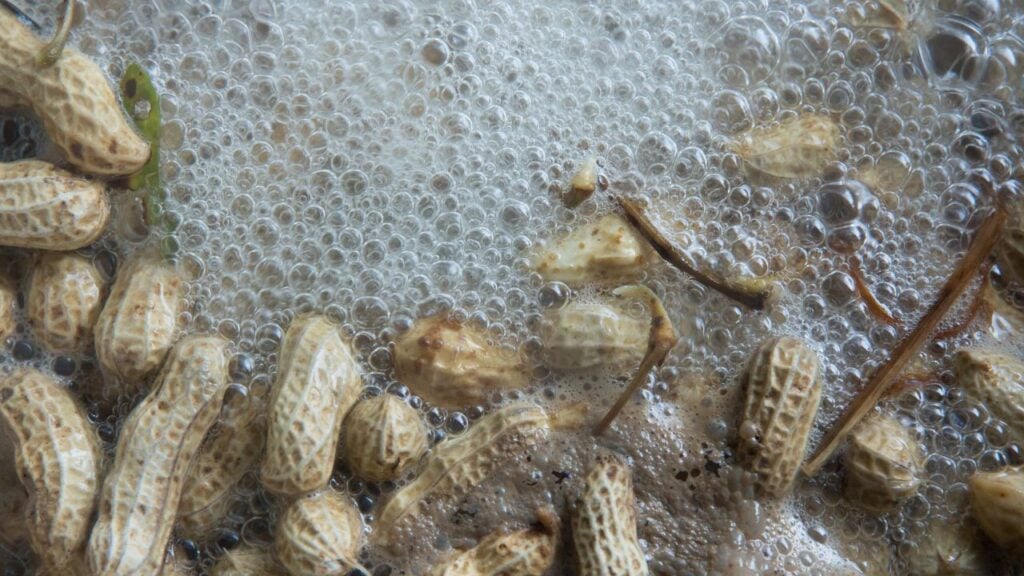
A menu in Beaufort or Columbia can stump even a confident visitor to South Carolina.
The state’s cooking runs on dish names that sound like weather reports or typos, and every single one of them turns out to be dinner.
9 South Carolina Foods That Confuse Anyone Who Didn’t Grow Up With Them
11 Culture Shocks People Experience When Moving to South Carolina

A neighbor mentions, almost offhand, that the alligator in the retention pond has been there since spring.
Nobody warns a new South Carolina homeowner about that before closing, any more than they warn about the lawyer state law requires at the table.
11 Culture Shocks People Experience When Moving to South Carolina
