
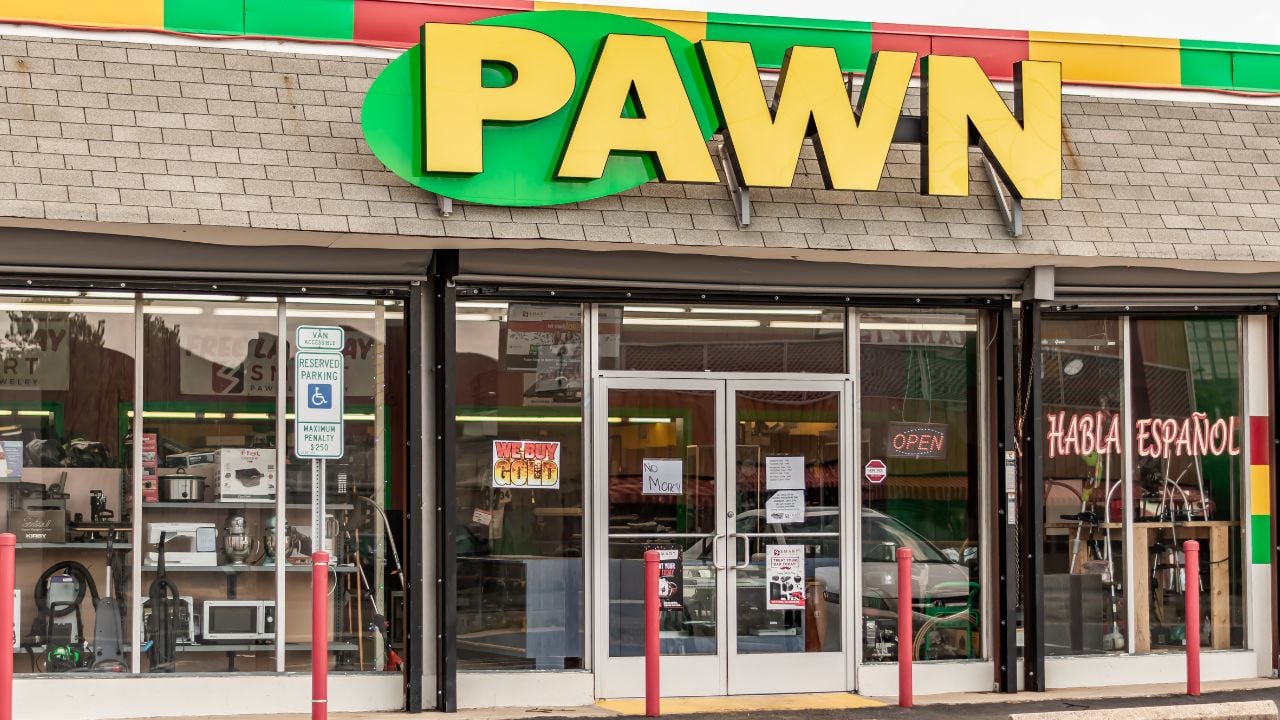
8 North Carolina Pawn Shop Rules Bargain Hunters Learn the Hard Way

A North Carolina pawnbroker can legally hand you a receipt for stolen property and never know it.
No refund is guaranteed if someone comes looking for it.
These are the pawn shop rules that blindside even careful North Carolina bargain hunters.
Note: This is general information, not legal advice. North Carolina’s pawnbroker rules and fees are subject to change.
1. Pawned Items Need 90 Days, Not 30
A North Carolina pawn loan comes with a minimum 30-day term before a borrower even owes a payment.
That’s only the start of the clock.
If the borrower still hasn’t paid 60 days past that 30-day maturity date, the pawnbroker can finally treat the item as forfeited and sell it as its own property.
Add it up, and a pawned item can sit behind the counter for a full 90 days before a shop legally owns it to sell to anyone.
A guitar, a lawnmower, or a diamond ring you’ve been eyeing for weeks may simply not be for sale yet, and no amount of asking nicely changes the calendar.
2. That Deal Isn’t Legal to Sell Yet
North Carolina holds up a pawn shop sale for a reason that has nothing to do with a missed loan payment.
It’s a stolen-goods check.
Buy a bracelet outright for cash, no loan involved at all, and a shop still can’t put it on the sales floor right away.
A pawnbroker can’t sell, exchange, or move a purchased or pawned item until the earlier of seven days after it’s electronically reported to police, or a flat 30 days after the transaction happened.
That deal you spotted yesterday might not be legal to sell today.
Shops that jump the gun risk fines and license trouble for it, so an honest clerk simply tells a customer to come back later.
How North Carolina’s Hold Period Counts Down
North Carolina’s clock on a purchased or pawned item starts when the shop electronically reports it to local police, not when you first spot it on the shelf.
Report it within a day or two of taking it in, and the shop can usually resell it about a week later.
Delay that report, or skip it, and state law forces the shop to sit on the item for the full 30 days instead.
Either way, the wait is the shop’s problem to manage, not something a shopper can talk their way around.
3. No One Guarantees You Won’t Buy Stolen Goods
Courts in North Carolina follow a simple rule that many pawn shop customers never think about.
A thief never legally owned what he sold, so he can’t pass ownership on to anyone else, either.
That rule doesn’t stop at the thief.
If a buyer unknowingly purchases stolen merchandise from a North Carolina pawn shop, state law still requires that item to go back to its true owner.
Good faith doesn’t matter.
Neither does a receipt.
The buyer loses the item, and North Carolina law gives no built-in promise of getting the money back.
4. Interest Cap Never Touches Your Price Tag
A North Carolina pawn shop can price that ring or power tool however the market allows, no matter how tightly state law caps loan interest.
State law limits pawn loan interest to 2% a month, plus a handful of capped monthly fees.
That cap applies to money a pledgor borrows against an item.
It never applies to what the shop marks the item up once it’s for sale.
Different rule, different math.
A bargain hunter who thinks a markup looks steep has no statute to point to, the way a borrower does on the loan side.
Psst! How much do you know about North Carolina pawn shop rules? Flip each card and see how many you get right.
5. Sales Tax Still Stacks on the Sticker
A North Carolina pawn shop price and a private seller’s price for that same guitar or ring can look identical on the tag and still cost a buyer differently.
The tag isn’t the total.
The pawn shop price carries sales tax.
The private-seller price, the kind found in an online classified listing or a yard sale, usually doesn’t, since a casual seller typically isn’t set up to collect and remit it the way a licensed retailer is.
The state’s general sales tax rate runs 4.75%, and every county adds its own rate on top of that.
Combined rates now run anywhere from 6.75% up to 8.25% in Mecklenburg County, the state’s highest, after a countywide rate increase took effect July 1, 2026.
A $200 price tag can become close to $214 to $217 once the register rings it up, depending on the county.
Do that math before comparing a pawn shop listing to a private-seller price online.
The pawn shop price carries tax, and the private-seller price usually doesn’t.
6. As Is Means No Warranty, Ever
Pawn shops in North Carolina can sell a broken toaster and walk away clean, as long as the sign says “as is.”
North Carolina’s version of the Uniform Commercial Code lets a seller drop the built-in guarantee that an item works at all, as long as that “as is” language is plain to see.
That guarantee is called the implied warranty of merchantability, and it’s the thing that normally protects a buyer of used goods.
Waive it, and it’s gone.
Test the drill, plug in the amp, and check the stitching before you pay.
Once the sale closes, a defect becomes the buyer’s problem alone.
7. Nothing Requires the Shop to Take It Back
Shoppers get no automatic right to return a pawn shop purchase under North Carolina law, and federal law doesn’t fill that gap either.
The only general right to cancel a purchase, the Federal Trade Commission’s Cooling-Off Rule, covers sales made at your home or a temporary location, not a store counter.
A pawn shop purchase happens at the seller’s regular place of business.
That rule doesn’t apply.
Once you’re out the door, whatever return policy the shop chooses to offer is the only one you get.
8. Don’t Expect a Used Car on the Floor
A North Carolina pawn shop lot is never going to have a repossessed car sitting on it, the way it might in a movie set somewhere else.
North Carolina pawnbrokers can’t legally take your car, recreational vehicle (RV), or mobile home as loan collateral, motorcycles aside.
The rule sits in the same state statute that lists everything a pawnbroker is barred from doing.
Vehicles are on that list.
Browse the display cases instead.
North Carolina’s Reporting Rule Cuts Both Ways
That same reporting requirement is how North Carolina catches stolen merchandise before it ever reaches a shopper.
State law requires a pawnbroker to send transaction records straight to the sheriff’s office or police department covering the shop’s own city or county, not to some statewide clearinghouse.
Officers there check incoming pawn tickets against open theft reports as soon as those records land.
It isn’t foolproof.
A stolen item that was never reported to police in the first place won’t trigger any flag at all, hold period or not.
North Carolina’s local reporting requirement only catches what someone already reported, so an out-of-state theft or a victim who never filed a report slides through the same hold period clean.
8 North Carolina Roadside Finds That Aren’t Automatically Finders Keepers
Finding something valuable along a North Carolina roadside doesn’t automatically make it yours to keep.
State law treats lost, abandoned, and protected property very differently depending on where and what you find.
8 North Carolina Roadside Finds That Aren’t Automatically Finders Keepers
8 Money Mistakes North Carolina Renters Make Before Signing a Lease

A North Carolina lease hides dollar limits many renters never check before they sign.
These are the mistakes that turn move-in day into an expensive surprise.
8 Money Mistakes North Carolina Renters Make Before Signing a Lease
