
8 Texas Dance Hall Rules Newcomers Break Their First Night

Gruene Hall didn’t get any air-cooling system until this year, and even now it only chills the room to about 85 degrees.
Nobody explains that, or much else, at the door.
A Texas dance hall runs on manners regulars pick up without ever being taught them, from what to wear to who runs the floor.
A first-timer usually breaks a handful of them before the band finishes its first set.
1. Sneakers Give You Away
A Texas dance hall’s front door rarely comes with a dress code, and no boots are technically required to two-step.
That’s the trap.
Smooth leather soles glide across a worn wood floor, letting a dancer pivot and turn without a fight.
Rubber-soled sneakers do the opposite, gripping the boards while the rest of the body keeps turning.
That mismatch is how a first-timer’s ankle rolls halfway through a song.
Regulars reach for an old pair of boots with the shine already worn off the sole, not a stiff new pair bought that morning.
Slide your foot across the floor before the band starts.
If it sticks, so will you.
2. Bring Your Own Bottle
Some of Texas’s oldest dance halls still run on a bring-your-own-bottle system (BYOB), selling only beer, wine, and setups: Think ice, soda, and a mixer, nothing stronger.
Hard liquor is on you.
Regulars walk in with their own bottle tucked in a paper bag, order a setup at the bar, and pour their own drinks at the table.
A newcomer who skips that step spends the night nursing a beer, wondering where the full bar went.
Call ahead or check the hall’s own rules before you go, since some Texas dance halls sell only beer, wine, and setups, and others run a full bar like any other honky-tonk.
Why Some Texas Dance Halls Still Say BYOB
Texas barred bars from selling a mixed drink by the glass statewide until 1970, when voters finally repealed the ban on open saloons on a county-by-county vote.
Dance halls built the setup system to survive those dry decades, selling only beer while a customer supplied their own liquor and paid for the ice and mixer that went with it.
Some of the state’s oldest halls never bothered adding a full liquor license once the law changed, so the same setup system just kept running.
3. Come Dressed for the Heat
Gruene Hall, the oldest continuously operating dance hall in Texas, went almost its entire history without air conditioning.
Ceiling fans, a few swamp coolers, and whatever breeze drifted through the open windows were the only relief.
That’s not an outlier.
Many of the state’s historic dance halls were built the same way, with big windows and open doors doing the cooling long before anybody thought to wire in a unit.
A newcomer who shows up in club clothes, expecting a chilled room like any modern bar, sweats through the first song and wonders why nobody else looks bothered.
Regulars dress light and loose, since the floor heats up fast once the band starts, cooling system or not.
Even Gruene Hall’s new air-cooling system, added this year, only chills the room to about 85 degrees, and the big windows stay open the whole time.
The heat is part of the deal.
4. Kids Work the Floor Too
Texas dance halls built their reputation as family gathering spots long before they ever became a night-out destination.
Gruene Hall, one of the state’s best-known halls, keeps that tradition alive and welcomes all ages onto its floor unless a ticketed show says otherwise.
Grandparents two-step past toddlers spinning circles of their own, and nobody blinks.
A newcomer who leaves the kids with a sitter, expecting a rowdy 21-and-up bar scene, shows up dressed for the wrong night.
The crowd skews every age at once, from grade-schoolers to great-grandparents.
Mind your manners.
The kid two-stepping past your knee has probably been coming here longer than you have.
5. Watch for the Whistle
Old-school Texas dance halls sometimes still run a snowball dance.
Regulars know exactly what that whistle means.
The band plays a song like any other, couples pair off as usual, and then the bandleader blows a whistle partway through.
Every couple on the floor has to break apart on the spot and grab a new partner before the music catches back up.
There’s no warning beyond that whistle.
A newcomer glued to the same partner all night, or too slow to grab a stranger’s hand when it blows, ends up standing alone in a room that just doubled its dancers.
Tom Sefcik Hall in Seaton has run snowball dances for decades, a holdover from the days when a circle of men called a bullring waited at the center of the floor for their turn to cut in.
Grab whoever’s closest.
Hesitate, and you’re the one standing still.
6. No Cover Still Means a Tip
At many Texas dance halls, including Gruene Hall, a show comes with no ticket and no cover charge at all.
The band still earns pay.
When there’s no door charge, the band’s whole night often rides on whatever lands in the tip bucket that circulates through the crowd.
A newcomer who skips it, assuming a free show means free for everyone including the musicians, just watched a band work a full set for nothing.
Drop something in every time it comes around, even a couple of dollars.
Request a song while you’re at it, and tip again if they play it.
7. Dancing Isn’t a Nightly Thing
Texas dance halls don’t all operate like a bar that’s open every night of the week.
Twin Sisters Dance Hall, south of Blanco, holds its public dance once a month, on the first Saturday, and that’s the whole schedule.
Many of the smaller, older halls run the same way, renting out for a monthly dance, a wedding, or a community fundraiser instead of a nightly crowd.
A newcomer who drives out on a random Tuesday night, expecting music and a packed floor, finds a dark building and a locked gate.
Check the calendar first.
The bigger halls in bigger towns run nightly or weekly; the smaller community halls out in the country don’t.
Psst! How much do you know about Texas dance hall history? Take our quiz and see how many you can get right.
Quiz
Texas Dance Hall IQ
Answer these questions on Texas dance hall history and the two-step’s roots. We bet you can’t get them all right. Prove us wrong?
In what year was Texas Dance Hall Preservation, the nonprofit that works to save the state’s historic halls, founded?
8. Drinks Stay off the Floor
A classic Texas dance hall's building splits in two: A front room holds the bar, and a back room is built just for dancing.
That layout isn't an accident.
Regulars keep their beer, their conversation, and their table talk in the front room or at the tables ringing the floor, not out on the boards.
A newcomer who wanders onto the dance floor mid-song with a drink in hand becomes the thing everyone's dodging.
Spilled beer turns a smooth wood floor into a hazard for every boot sliding across it.
Step off the floor to sip, then step back on to dance.
Texas dance halls treat the two spaces as different rooms even when they share one roof, and regulars never mix them up.
10 Small-Town Texas Diners Worth the Detour
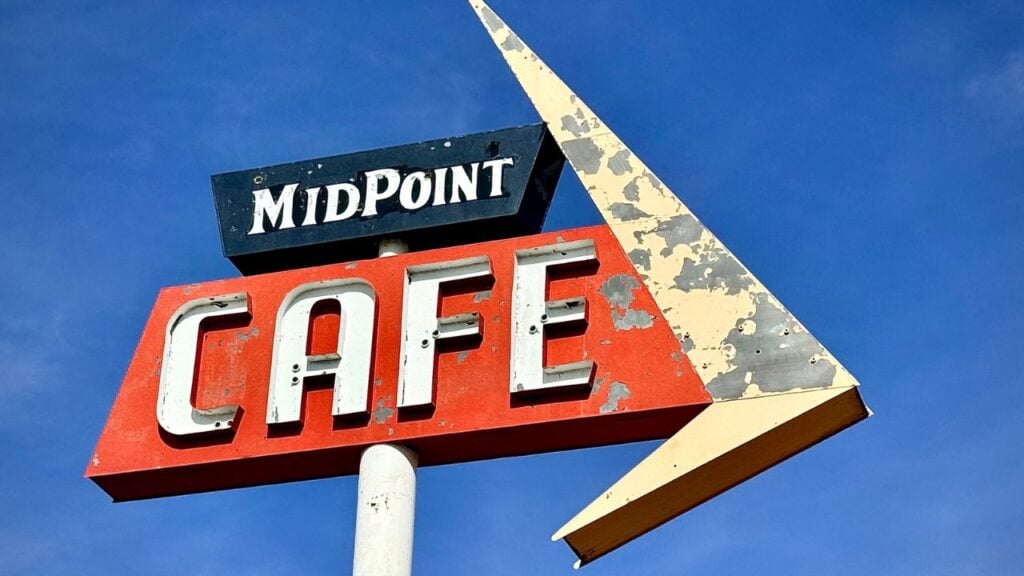
The best meal in Texas rarely turns up in Austin, Dallas, or Houston.
It's waiting in a town many people drive straight past, at a counter that's been slinging pie since the Carter administration.
10 Small-Town Texas Diners Worth the Detour
9 Odd Texas Laws Most Americans Have Never Heard Of
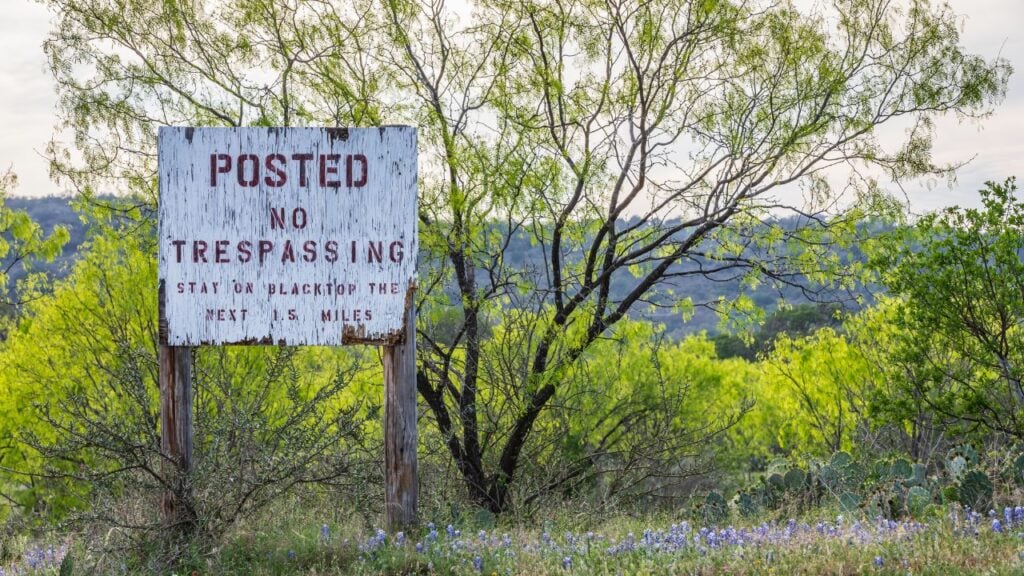
Everything is bigger in Texas, including the surprises buried in its law books.
Some of these rules protect everyday freedoms, and others cover situations many Americans would never think to legislate at all.
