
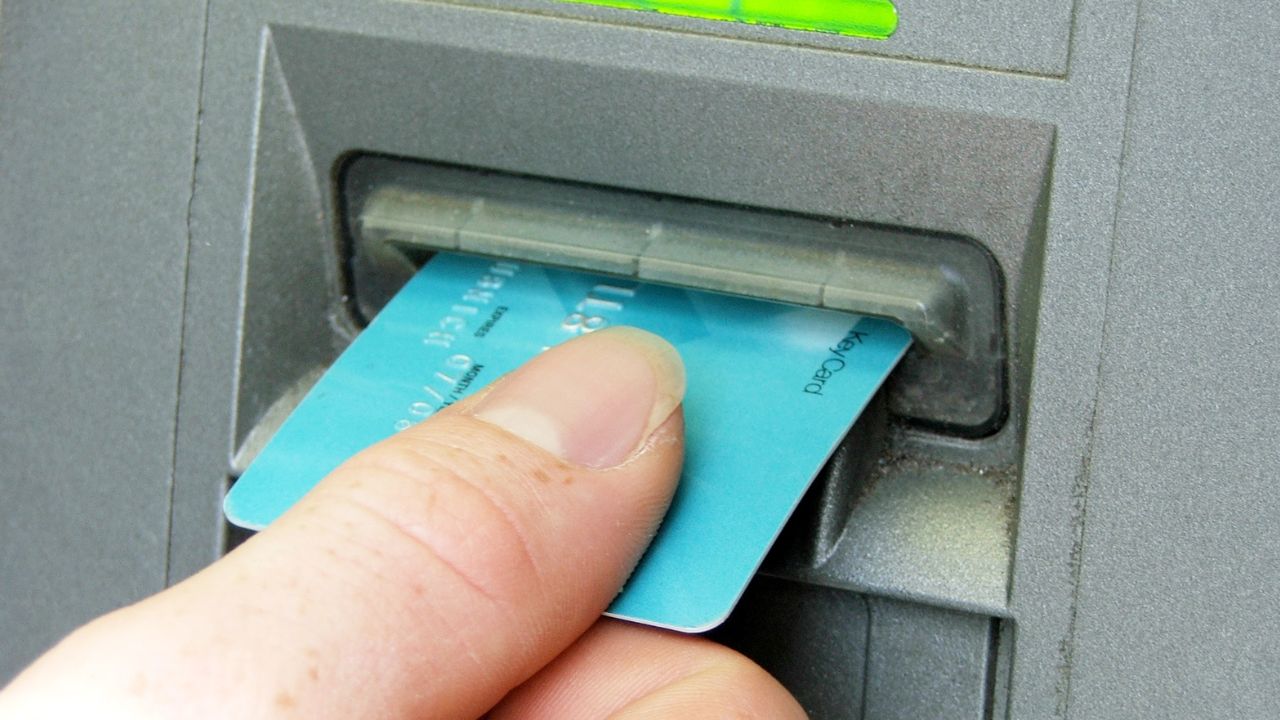
9 Surprising Bank Fees North Carolina Customers Are Charged For

Bank of America can charge $12 a month for a checking account that a customer never overdrew, never bounced a check on, and never used incorrectly.
A low balance on the wrong day is all it takes.
These are the unexpected fees that banks charge North Carolinians and Americans across the country.
Note: This is general information, not financial advice. Bank fees, waiver requirements, and account terms are subject to change.
1. Letting Your Balance Slip
North Carolina customers banking with Wells Fargo can watch $15 disappear from Everyday Checking the moment their balance or deposits fall short for the month, no overdraft required.
The bank waives it five ways: $500 in qualifying direct deposits, a $1,500 minimum daily balance, $5,000 in combined balances, a primary account holder between 17 and 24, or a qualifying military direct deposit.
Miss every waiver path by even a dollar, and the fee posts anyway.
No warning arrives.
It happens to many people, retirees drawing Social Security, part-time workers, and anyone between jobs whose paycheck runs smaller some months.
2. Getting Paid by Wire
Truist can charge North Carolina account holders just for having money wired to them, not for sending a dime.
Truist waives the first incoming wire each month, then bills $15 for a second incoming domestic wire in that same cycle, or $20 if the wire crosses a border.
A home sale closing, an inheritance, or a parent helping with a down payment can easily add up to two wires in one month without anyone trying to hit that number.
The bank didn’t send it.
The customer just received it, and Truist billed them for the privilege.
3. Keeping Savings Under $1,000
First Citizens Bank, headquartered in Raleigh, charges its North Carolina Money Market Savings customers $10 a month the moment the daily balance dips under $1,000.
The account never has to hit zero to trigger it.
It never has to see a single withdrawal, either.
Not one.
A bad week, a big bill, or a slow payday pulls the balance under the line, and the fee posts before the next statement explains why.
First Citizens still bills it, even when the account sat completely untouched the entire month.
4. Leaving an Account Untouched for a Year
First Horizon Bank charges North Carolina checking customers $5 a month once an account goes a full year without a single deposit or withdrawal.
The rule catches any checking balance under $5,000.
Nothing has to go wrong for the fee to start: No missed payment, no fraud alert, no call from the bank first.
The account simply sits there.
Five dollars comes out of it every month until someone notices and starts using it again.
5. Swiping Your Card Overseas
North Carolina cardholders banking with Truist pay a 3% assessment on every purchase or withdrawal made in a foreign currency, whether they’re buying dinner in Mexico or a bus ticket in Portugal.
A $500 hotel bill picks up $15 in assessment fees alone.
The currency conversion cost adds even more on top.
That adds up fast.
The cardholder didn’t misuse the card or trip any security flag.
They simply spent money outside the country, the way the trip required, and Truist billed them for making the crossing.
The Hidden Markup Behind a 3% Overseas Fee
Truist’s 3% international assessment fee is only one cost North Carolina bank customers face on a foreign purchase.
Card networks set their own exchange rate for a transaction made in a foreign currency.
That rate typically runs a percent or two away from the rate a currency exchange counter would quote, a markup that sits separately from any bank assessment fee.
Neither cost shows up as its own line on a statement, so the true price of an overseas purchase often lands higher than the number on the original receipt.
6. Banking Below the Line
North Carolina customers banking with Bank of America can lose $12 a month on Advantage Plus Banking the instant their direct deposit or balance falls under the waiver line.
The bank waives it with a $250 direct deposit, a $1,500 minimum daily balance, or membership in its Preferred Rewards program.
Fall short of all three, even by a little, and the charge lands automatically.
It happens instantly.
There’s no mistake to point to, and no math to argue with either.
7. Moving Your Own Money
North Carolina savers at First Citizens Bank pay $3 every time they move money out of savings more than twice in a single month, even though every dollar already belongs to them.
First Citizens allows two free withdrawals or transfers each month before the meter starts.
The third withdrawal costs $3, whether it’s a transfer to checking to cover a bill or cash pulled out for a weekend trip.
It’s their money.
The bank charges for moving it anyway.
8. Depositing Someone Else’s Bad Check
First Horizon Bank charges North Carolina customers $16 when a check they deposit from someone else comes back unpaid.
The bank calls it a charged-back item fee, and it applies whether the check came from a landlord, a client, or a relative paying them back.
The customer did nothing wrong.
They just deposited a check somebody else wrote, and First Horizon still pulled $16 out of their account for it.
9. Having Mail Bounce Back to the Bank
First Citizens Bank charges North Carolina customers $5 every time a statement or notice comes back to them marked undeliverable.
A move, a landlord who tosses forwarded mail, or one missing apartment number is enough to trigger it.
The customer never asked for that.
It just happens.
First Citizens charges the fee anyway, and it can repeat every cycle until the customer fixes the address on file.
Psst! How much do you know about the history behind America’s banks and ATMs? Take our quiz and see how many you can get right.
Quiz
Banking History IQ
Answer these questions on ATMs, bank mergers, and FDIC history. We bet you can’t get them all right. Prove us wrong?
Which state saw the first ATM in the U.S. go live in 1969?
5 Secrets Harris Teeter Employees Wish North Carolina Shoppers Knew
A wrong price at the register isn't always an accident, and Harris Teeter has a written policy for exactly that moment.
These are the moves North Carolina shoppers rarely see coming, straight from the people who work the register.
5 Secrets Harris Teeter Employees Wish North Carolina Shoppers Knew
8 North Carolina Roadside Finds That Aren't Automatically Finders Keepers
A roadside find in North Carolina can look abandoned and still legally belong to someone else.
These are the roadside finds that come with more fine print than many North Carolinians realize.
8 North Carolina Roadside Finds That Aren't Automatically Finders Keepers
