
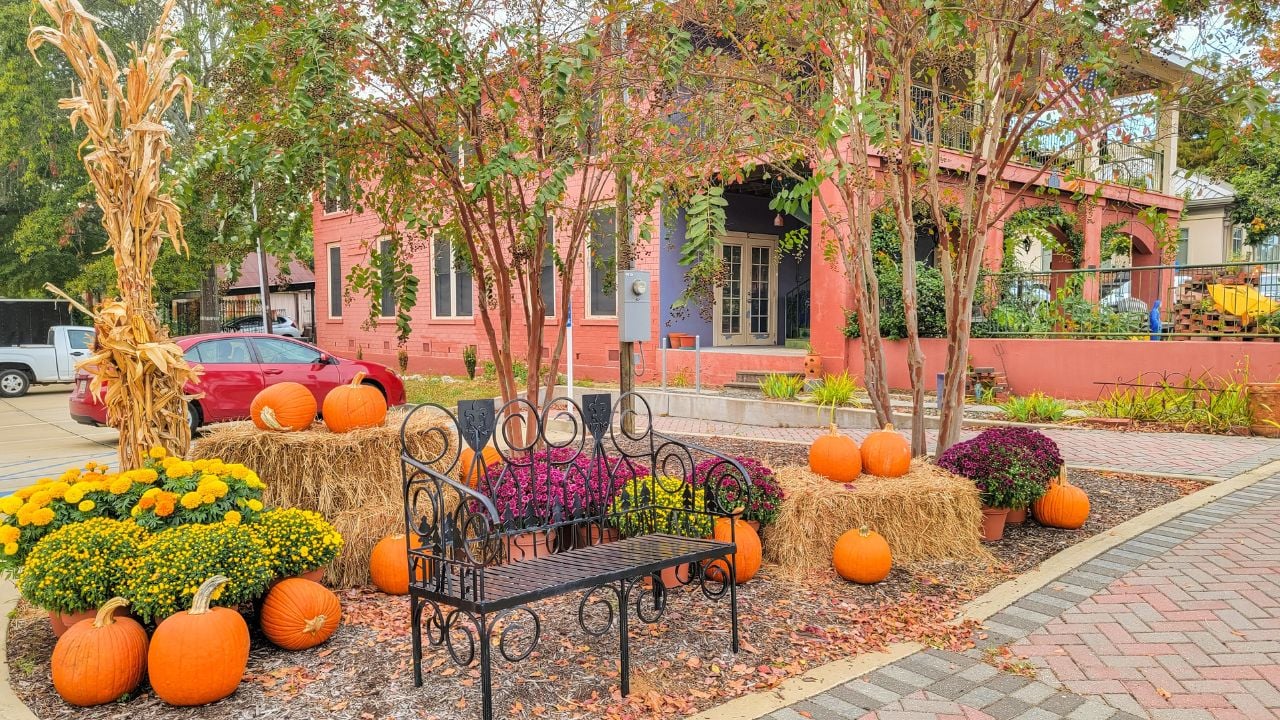
9 Louisiana Towns Visitors Skip Because They Never Leave New Orleans

Louisiana has 64 parishes, and New Orleans sits in only one of them.
That leaves 63 to explore.
These are the small Louisiana towns that rarely make tourists’ itineraries but should.
1. Natchitoches
Natchitoches predates New Orleans by four years, founded as a French fort and trading post on the Red River in 1714.
That makes it the oldest permanent settlement in the entire Louisiana Purchase territory.
Older than Louisiana.
Its National Historic Landmark district still lines the Cane River, brick storefronts and iron balconies doing business the way they always have.
Steel Magnolias filmed its wedding and beauty-shop scenes on those same streets in 1989, and the town now runs a self-guided film trail past the spots.
Every December, Natchitoches strings its riverfront with lights for the Christmas Festival, 260 miles from the French Quarter, a straight shot up I-49 that a New Orleans itinerary rarely makes room for.
2. Breaux Bridge
Breaux Bridge has carried the title “Crawfish Capital of the World” since the Louisiana Legislature made it official in 1959.
The town sits in the heart of Cajun crawfish country, and it built a festival around that reputation the very next year.
Every Saturday, Buck & Johnny’s on Berard Street opens at 8 a.m. for the zydeco breakfast, a crawfish étouffée omelet next to a dance floor that fills up before the coffee has time to cool.
Fiddles at breakfast.
Breaux Bridge sits just 126 miles west of the French Quarter, an easy day trip that almost nobody staying near Bourbon Street ever makes.
3. New Iberia
New Iberia holds the country’s oldest independently owned rice mill still in daily operation, the Conrad Rice Mill, running under its Konriko label since 1912.
Rice, not beignets.
New Orleans sits 133 miles east on I-10, a distance many Bourbon Street itineraries never bother covering.
A few blocks over, the Shadows-on-the-Teche plantation home has stood on the bayou since 1834, a National Historic Landmark now run by the National Trust for Historic Preservation.
New Iberia’s back door opens onto Avery Island, where the McIlhenny family still bottles Tabasco pepper sauce inside a working factory open for tours.
What Avery Island Is
Avery Island, just outside the Louisiana town of New Iberia, isn’t surrounded by ocean, and no lake borders it either.
It’s a salt dome, an ancient underground plug of salt pushed up 160 feet through the wetlands by geological pressure until it broke the surface.
Edmund McIlhenny built his pepper sauce business right on top of that salt in 1868, mining it from under his own pepper fields.
4. St. Francisville
St. Francisville protects two of Louisiana’s grandest antebellum properties within a few miles of each other, both well north of anything a Bourbon Street bar crawl touches.
Rosedown Plantation’s 1835 mansion sits inside 18 acres of restored formal gardens that Martha Turnbull tracked by hand in her own diary for six decades.
A few minutes away, the Myrtles Plantation has stood since 1796, one of the state’s most-visited historic homes.
Reputedly haunted, too.
Both are listed on the National Register of Historic Places, something many New Orleans visitors never find out.
5. Grand Isle
Grand Isle is Louisiana’s only inhabited barrier island, a strip of sand and marsh the Town of Grand Isle has called home for generations.
Almost nobody staying in the French Quarter drives the two hours south to see it.
Twice a year, as many as 2.5 million birds a day move through the wider Gulf Coast migration corridor, and Grand Isle’s live oak forest, just a few dozen acres of it, is one of the first patches of solid ground exhausted “fall-out” birds reach after flying 500 miles nonstop across the Gulf of Mexico.
That’s not an exaggeration.
Birders have logged close to 250 species on this one small stretch of coast.
Psst! How much do you know about Louisiana beyond New Orleans? Take our quiz and see how many you can get right.
Quiz
Louisiana Beyond the Quarter
Answer these questions on Louisiana history and state trivia. We bet you can’t get them all right. Prove us wrong?
In the rural Cajun tradition called the Courir de Mardi Gras, costumed riders on horseback chase down what for the community gumbo pot?
6. Eunice
Eunice has kept a live Cajun radio and TV show running out of its restored 1924 movie palace every Saturday night since 1987.
The show, Rendez-vous des Cajuns, tapes inside the Liberty Theatre in front of a room that dances more than it sits.
Fiddles, accordions, and a dance floor that never stays empty.
Next door, the National Park Service runs the Prairie Acadian Cultural Center, telling the story of the French-speaking farmers who settled these prairies long before anyone paved a road to New Orleans.
Eunice sits 158 miles west of New Orleans, and a visitor who never leaves the French Quarter never hears a single note of it.
None of it sits near an interstate exit.
On purpose.
7. Ville Platte
Ville Platte calls itself the "Smoked Meat Capital of the World," and nobody in Evangeline Parish argues with it.
A French Quarter trip that turns back at the Atchafalaya Basin Bridge on I-10 never smells the smoke rolling out of Ville Platte's meat markets.
Meat markets around town smoke everything: Boudin, sausage, rabbit, and neck bones, using recipes passed down inside the same families for generations.
Nothing skips the smokehouse.
The last full weekend of every June, meat markets and home smokers compete for bragging rights at the Louisiana Smoked Meat Festival's World Championship Cookoff, a tradition that started in 1993.
New Orleans has nothing like it.
8. Washington
Washington is Louisiana's third-oldest settlement, founded around 1720 on the banks of Bayou Courtableau, decades before the state itself existed.
Steamboats made it rich.
By the 1800s, Washington had grown into the largest steamboat port between New Orleans and St. Louis, shipping cotton, cattle, sugar, and molasses up and down the bayou.
The railroad ended that run, but the money it built never left.
About 80 percent of Washington's buildings are still listed on the National Register of Historic Places, antebellum homes and Victorian storefronts that a New Orleans road trip routinely drives past on the way to somewhere else.
9. Ponchatoula
Ponchatoula's town council declared it the "Strawberry Capital of the World" back in 1968, and the claim has held up.
Nobody's challenged it since.
Every spring, the Ponchatoula Strawberry Festival draws close to 300,000 people for strawberry shortcake, strawberry wine, and a parade, just 51 miles north of the French Quarter.
An hour away, and still skipped by many New Orleans itineraries.
Ponchatoula also goes by "America's Antique City," with dozens of shops lining Pine Street inside buildings that have stood since the early 1900s.
Furniture, jewelry, and vintage neon signs, all of it a straight shot up I-55 from a city that rarely looks north.
Why New Orleans Keeps All the Attention
New Orleans keeps the crowds because the numbers back it up: More than 19 million visits landed inside one city in 2024 alone.
That kind of gravity is hard to argue with.
A first-time visitor books three or four nights, blocks out the French Quarter, Frenchmen Street, and a swamp tour, and calls it the whole Louisiana trip.
That is technically true.
New Orleans fills a single parish out of Louisiana's 64, and the other 63 rarely make it onto a French Quarter itinerary.
A rental car sitting in a French Quarter garage can clear Orleans Parish and hit open highway within fifteen minutes, yet many never leave the hotel valet stand for the whole trip.
9 Unwritten Rules of Driving in Louisiana That Newcomers Learn the Hard Way
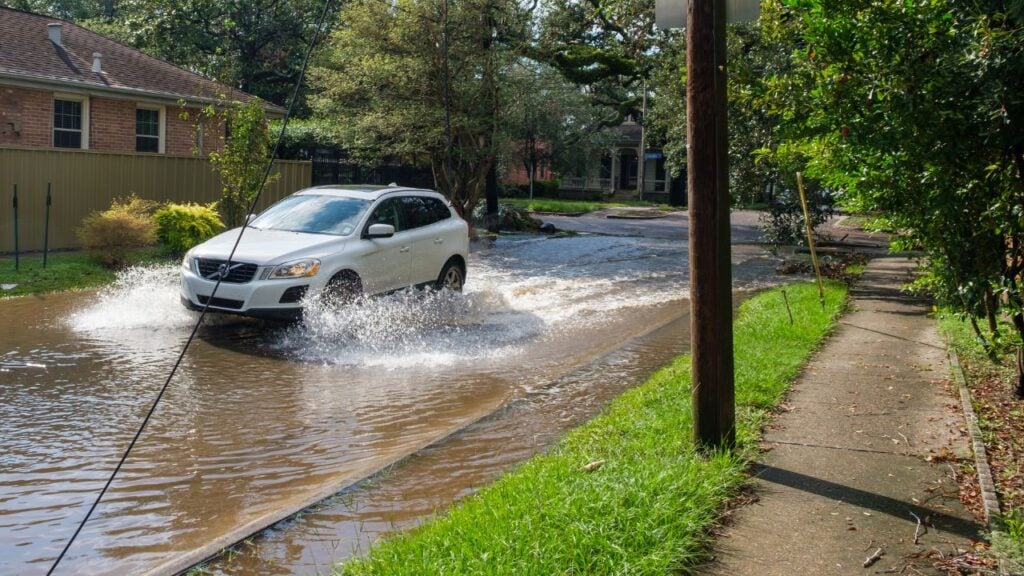
Louisiana's open container law comes with a loophole built right in: Order a frozen daiquiri from a drive-thru window, and it's perfectly legal to drive off with it as long as the straw stays taped shut.
These are the rules every Louisiana driver picks up growing up, never handed over in writing.
9 Unwritten Rules of Driving in Louisiana That Newcomers Learn the Hard Way
The States With the Worst Drivers, Ranked. Here's Where Ohio Falls
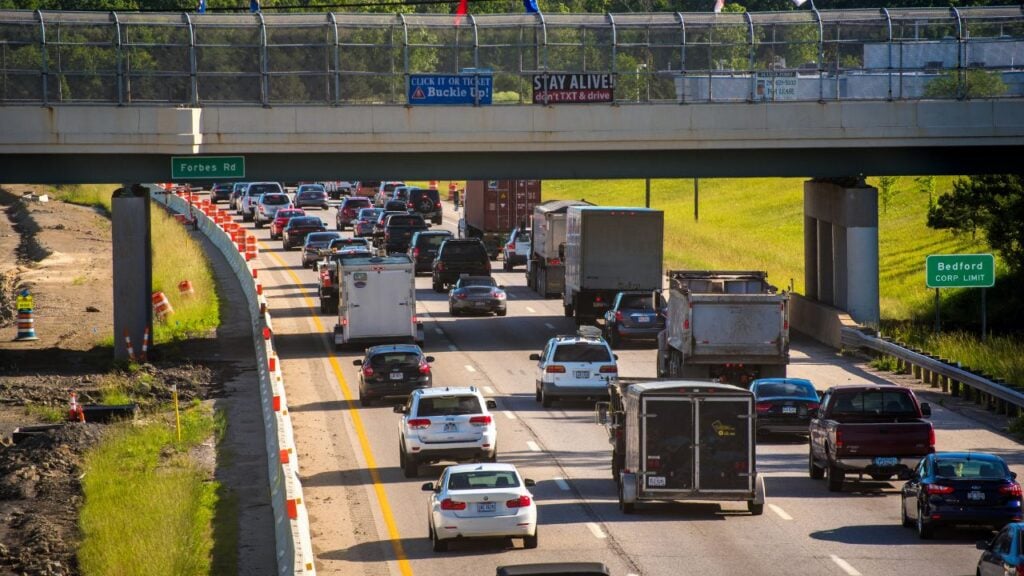
Ohio recorded 1,125 traffic deaths last year, the fourth straight year that number has dropped, but a new nationwide study measured something else entirely.
It ranked how drivers in every state behave behind the wheel, not just how many crashes happen, and the results don't flatter every part of the country.
The States With the Worst Drivers, Ranked. Here's Where Ohio Falls
