
7 Things New York Pet Owners Can Be Fined For

Do you think a lapsed dog license just means a strongly worded reminder in New York?
It doesn’t.
Miss your renewal three times in five years, and a judge can add jail time on top of the fine.
These are the things that New York pet owners can be fined for.
Note: This is general information, not legal advice. State fines, local ordinances, and enforcement practices are subject to change.
1. Skipping a Rabies Shot
New York’s rabies law doesn’t stop at the family dog.
State law requires every dog, cat, and domesticated ferret four months or older to carry a current rabies vaccination.
Let that lapse, and a court can fine the owner up to $200 for each offense.
A vaccine only counts as current for as long as its label says, either one year or three.
So, the fine can land on an owner who simply let the booster slide past its date, not just one who skipped the shot outright.
2. Letting Your Dog’s License Lapse
Dog owners in New York need a current license once a pet turns four months old, and the fine for skipping it rises fast.
A first offense costs a minimum of $25, a second within five years jumps to $50, and a third can run $100 or land the owner up to 15 days in jail.
Three strikes.
That’s when the fine reaches triple digits and jail becomes possible.
New York City runs its own licensing program on top of the state law, with fines that run steeper than the statewide minimum.
Town, city, or county clerks handle the same state minimums everywhere else, from Erie County in the west to Suffolk County out on Long Island.
3. Leaving a Pet in a Hot or Cold Car
A pet doesn’t have to suffer permanent harm before New York’s law kicks in.
State law bans confining a companion animal in a vehicle during extreme heat or cold that puts it in imminent danger of death or serious injury, whatever the exact temperature reads.
No thermometer required.
A first offense costs $50 to $100.
Get caught twice, and the fine rises to $100 to $250 for every offense after that, a number written into the statute itself rather than left to a judge’s mood.
The law doesn’t care whether the errand runs five minutes or fifty.
It looks at the danger to the animal, not the clock.
Psst! How much do you know about New York’s pet laws? Guess each one, then tap to see if you’re right.
4. Tethering Your Dog Without Meeting Shelter Rules
Chaining a dog outside for the day comes with rules many owners in New York never read.
State law fines an owner $50 to $100 for a first violation of the tethering and shelter rules, and $100 to $250 for every offense after that.
That’s just the starting number.
Once an owner is cited, the clock starts ticking.
Seventy-two hours later, every day the shelter still doesn’t meet the rule counts as a brand-new offense, stacking fine on top of fine until it’s fixed.
A judge can also knock money off the fine if the owner shows receipts for building or repairing a proper shelter, turning the fine into an actual fix instead of just a bill.
The Math Behind New York’s Tethering Fine
The tethering fine in New York isn’t a single flat number.
A first citation costs $50 to $100, but the 72-hour grace period is where the math starts.
Once those three days pass, every additional day the shelter still doesn’t meet the rule counts as its own separate offense, so an owner who lets a bad tie-out sit for a full week after the citation can end up owing the original fine plus four more stacked on top of it.
Fix it fast, and the second bill never shows up.
5. Abandoning a Pet
New York treats abandonment as more than a moral failing.
State law makes it a misdemeanor to abandon an animal or leave it to die in a street, road, or public place, punishable by up to a year in jail, a fine of up to $1,000, or both.
A crime, not a lecture.
The same law covers a sick or injured animal left lying in public more than three hours after the owner gets notice, so walking away doesn’t stop the clock on responsibility.
Local shelters and county SPCAs, from New York City to the North Country, usually file the complaint.
6. Neglecting Basic Food, Water, or Shelter
Depriving a pet of food, water, or basic shelter breaks New York’s cruelty law, dramatic case or not.
State law makes it a class A misdemeanor to deprive an animal of necessary food, water, or medical care, or to fail to furnish adequate shelter, a charge that carries up to a year in jail and a fine of up to $1,000.
A lower bar than expected.
An empty water bowl on a scorching afternoon counts the same as a visible injury, and so does a dog left without shelter through an upstate winter.
Local humane officers and animal control agents across the state investigate these complaints, and a single verified case is enough to bring the charge.
7. Owning a Dog Already Declared Dangerous That Bites Again
A dog already declared dangerous by a New York court puts its owner back in serious legal jeopardy the moment it bites again.
An owner who negligently lets a dog already declared dangerous bite someone and cause serious physical injury faces a misdemeanor punishable by up to $3,000 in fines, up to 90 days in jail, or both.
That’s just the criminal side.
Even without that harsher charge, a designated dangerous dog that bites a person, a guide dog, a hearing dog, or a service dog can bring its owner a civil penalty up to $400, and if the victim is a person and the bite causes serious physical injury, that number rises to $1,500.
The designation itself comes from a court hearing, not a neighbor’s opinion, so the steep fines only apply once a judge has already put the dog on record.
Where the Poop-Scooper Law Applies
The pooper-scooper law in New York was written to reach the whole state, but its wording only forces the issue in three places.
Public Health Law puts a fine, up to $250, on any dog owner who leaves waste on a sidewalk, gutter, or public area in a city of 400,000 people or more.
Only one city in New York hits that population mark on its own.
Lawmakers named two more.
Yonkers and Albany carry the same requirement, fine and all, even though neither comes close to that population line.
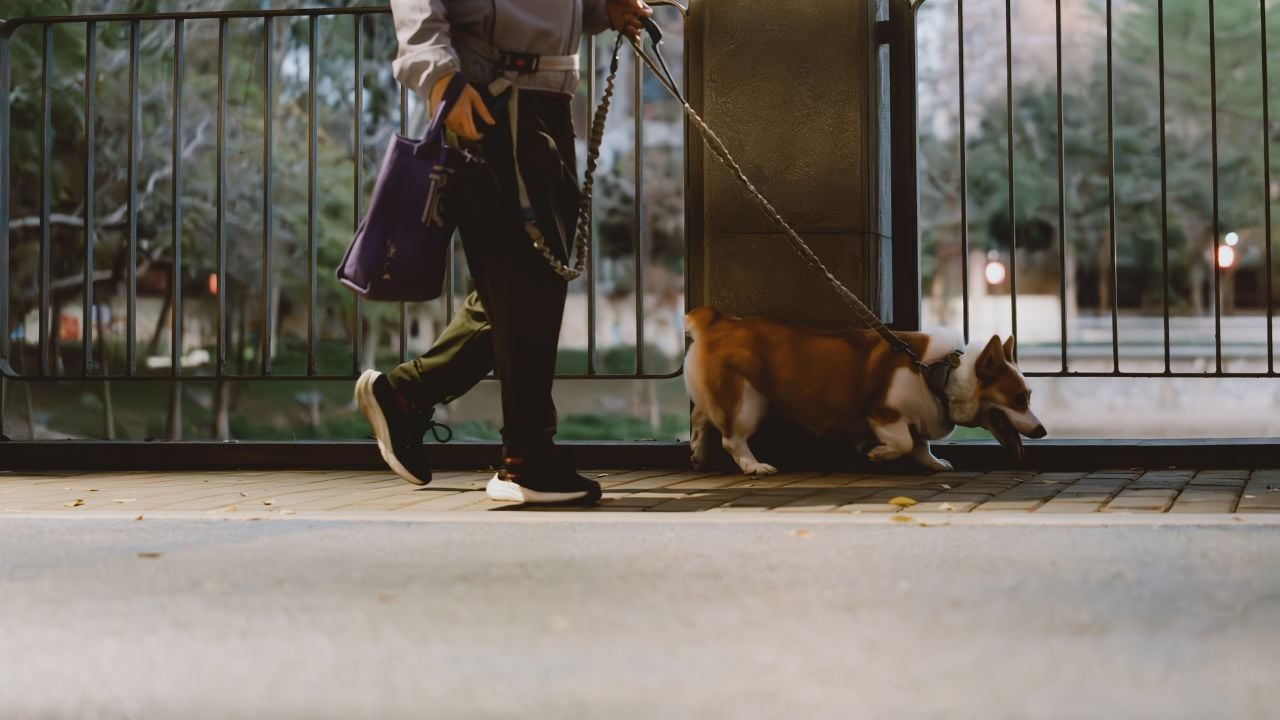
So a dog owner walking a corgi down a street in Albany answers to the same law as someone walking a leashed dog through Central Park, while dog owners in many of New York’s smaller towns answer to whatever pooper-scooper rule their own municipality passed instead.
8 Reasons People Are Leaving New York in 2026

More than 400,000 people packed up and left New York for another state in a single year, roughly the population of a city the size of Tampa walking out the door.
A pet fine is a small line item next to what’s pushing longtime residents to rethink staying.
8 Reasons People Are Leaving New York in 2026
9 Things New York Landlords Can Legally Do That Renters Assume Are Illegal
New York’s Good Cause Eviction law has spread to more than a dozen cities since it passed in 2024, and many renters assume the whole state now works in their favor.
It doesn’t, and landlords still have more legal room to maneuver than many tenants realize.
9 Things New York Landlords Can Legally Do That Renters Assume Are Illegal
