

7 South Carolina Town Names Even Longtime Residents Say Wrong

South Carolina residents will confidently correct a tourist’s pronunciation of a hometown road, then turn around and butcher the name of a town two counties over.
Nobody’s immune.
The state is full of names that look like one thing on a road sign and sound like something else entirely once a local says them out loud.
These are the South Carolina town names that even people who’ve lived in the state for decades still get wrong.
1. Huger
Huger sits about 25 miles northeast of Charleston, and the spelling doesn’t match how South Carolinians say it out loud.
Drop the H.
Drop the R.
What’s left lands somewhere between “YOU-jee” and “HOO-jee,” depending on which part of Berkeley County is doing the asking.
Many South Carolinians who grew up two hours away still guess “HYOO-jer,” reading it the way English spelling normally works.
Here’s the twist that trips up people who think they’ve finally got it figured out: Huger Street in Chesterfield County, on the opposite side of the state, keeps the H and the R that Berkeley County drops.
Same six letters, two completely different answers depending on where you grew up.
2. Bonneau
Bonneau sits in Berkeley County outside Moncks Corner, and getting its name right has become a small local test that outsiders keep failing.
Many people read the spelling and reach for “BOHN-oh,” the way the U2 frontman says his own name.
That’s the wrong answer here.
Longtime residents say “BUN-oh,” full stop, and they notice immediately when someone doesn’t.
According to a reader’s letter published in SCIWAY’s pronunciation guide, one Mount Pleasant woman with generations of Lowcountry roots learned this the hard way.
A Bonneau native corrected her on the spot, saying the town can always tell who’s from Bonneau by how they say it.
Decades of Lowcountry roots didn’t save her.
Why Bonneau and Huger Sound French in the First Place
Bonneau and Huger are both direct legacies of the Huguenots, French Protestant refugees who fled religious persecution in France and resettled along the South Carolina coast starting in the 1680s.
About 500 Huguenots reached South Carolina during that first wave, and many settled in Berkeley County’s Orange Quarter, the same stretch of the Lowcountry where Bonneau and Huger sit today.
That history is why so many of the state’s hardest names carry soft, swallowed consonants and silent letters that don’t match standard English spelling rules.
The pronunciation survived. Nobody ever respelled the road signs to match it.
3. Pinopolis
Pinopolis is a South Carolina community on a finger of high ground jutting into Lake Moultrie, in Berkeley County northwest of Charleston.
Read the spelling cold, and many people land on “pin,” the bowling kind.
Wrong syllable entirely.
Longtime residents say “pie-NOP-uh-lis,” stressing the first syllable the way you’d order a slice of pie.
A 19th-century resident coined the name for all the pine trees standing around the settlement, tacking on “polis,” the Greek word for city.
South Carolinians who’ve never had reason to drive out to this Lake Moultrie peninsula default to the spelling instead.
They land on “pin” almost every time.
Pinopolis sat high enough to survive the 1939 flood that created Lake Moultrie around it.
Everything lower didn’t.
4. Blenheim
Blenheim is a town of about 115 people in Marlboro County, and its name comes from an English palace almost nobody there has ever seen.
Blenheim Palace, in Oxfordshire, England, was the home of the Duke of Marlborough, the same duke Marlboro County is named for.
Spell it out and the ending looks like it should rhyme with “time.”
It doesn’t.
Longtime residents say “BLEN-um,” with a silent H and no trace of “time” anywhere in it.
Many South Carolinians know this name from a soda label before they ever learn the town, and they read that label the way it’s spelled.
Blenheim Ginger Ale got its start on the town’s own mineral water, before production moved down the road to Hamer.
The soda kept the name. Almost nobody kept the pronunciation.
Psst! How much do you know about South Carolina’s trickiest place names? Take our quiz and see how many you can get right.
Quiz
Palmetto State Pop Quiz
Answer these questions on South Carolina places and history. We bet you can’t get them all right. Prove us wrong?
Horry County, home to Myrtle Beach, drops a whole letter from how it’s spelled. Which letter disappears when locals say it out loud?
5. Eutawville
Eutawville is a town of about 235 people in Orangeburg County, built around the site of a Revolutionary War battle.
The Battle of Eutaw Springs was fought there in 1781, the last field battle of the Revolutionary War in the Southern states.
Sound out the spelling and "Eutaw" looks like it should rhyme with "paw."
Wrong vowel.
Longtime residents don't say it that way.
They say "yoo-TAH-vil," with "Eutaw" landing exactly like the state Utah.
South Carolinians who know the battlefield from a history class, not a road trip, tend to keep the "aw" sound instead.
That's not what anyone from Orangeburg County calls it.
6. Okatie
Okatie is an unincorporated South Carolina community stretching across Beaufort and Jasper counties, wedged between Interstate 95 and Highway 170 west of Hilton Head Island.
Spelled out, the back half of the name looks exactly like the name Katie.
Wrong guess.
That's still the guess a lot of drivers make, longtime South Carolinians included.
Longtime residents say "oh-kuh-tee," three even syllables with no "Katie" anywhere in it.
The name comes from the nearby Okatee River, not a person at all.
Sun City Hilton Head, a retirement community built for roughly 14,000 residents, sits inside Okatie's borders.
People say the name out loud constantly there.
Many still get it wrong.
7. Beaufort
Beaufort is the town many South Carolinians would swear they've got right, right up until someone asks them to say it out loud in front of a native.
The spelling looks like it should read "BOW-fort," the way North Carolina says its own Beaufort a few hundred miles up the coast.
Wrong guess.
In Beaufort, it's "BYOO-fort," rhyming with "you."
The town's name honors Henry Somerset, the second Duke of Beaufort, and the best twist in Beaufort's story comes straight from English history: Somerset pronounced his own name "BOW-fert," the exact version South Carolina rejects.
Even the man the town is named after would have gotten corrected here.
9 South Carolina Small Towns Worth the Detour
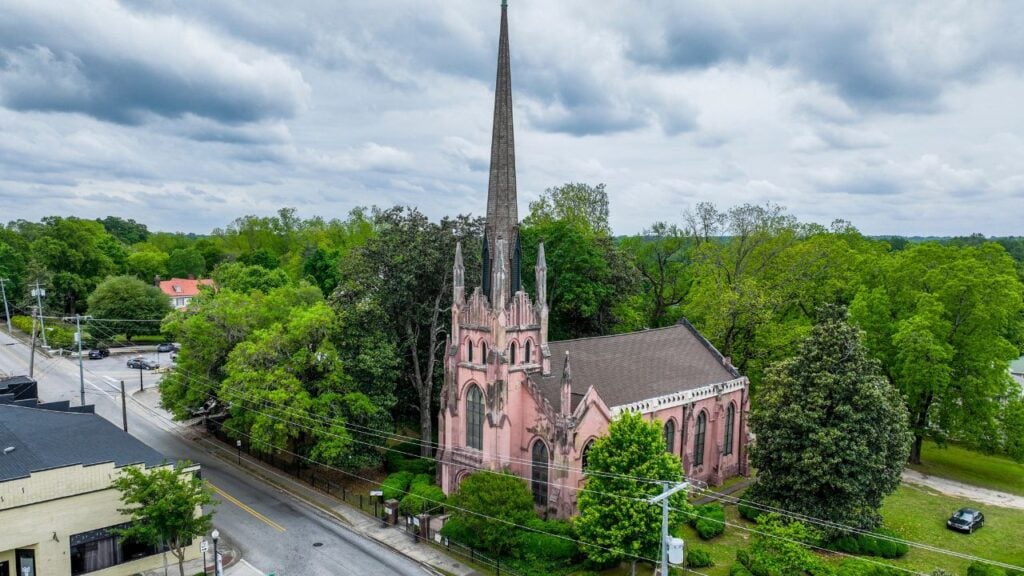
The most interesting hour in South Carolina rarely happens where the tour buses park.
It happens down a two-lane road, in a town of 300 or 3,000 that many road-trip itineraries skip entirely.
9 South Carolina Small Towns Worth the Detour
9 South Carolina Foods That Confuse Anyone Who Didn't Grow Up With Them
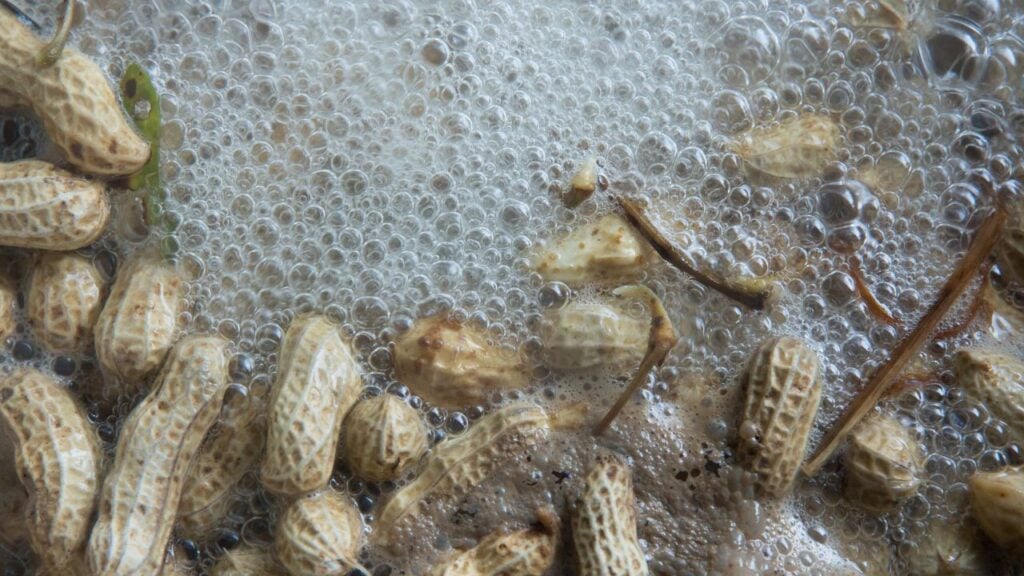
Ordering confidently off a menu in Beaufort or Columbia takes more than knowing how to say the town's name right.
South Carolina cooking runs on dishes with names that sound like weather reports or typos, and every one of them turns out to be dinner.
9 South Carolina Foods That Confuse Anyone Who Didn't Grow Up With Them
