
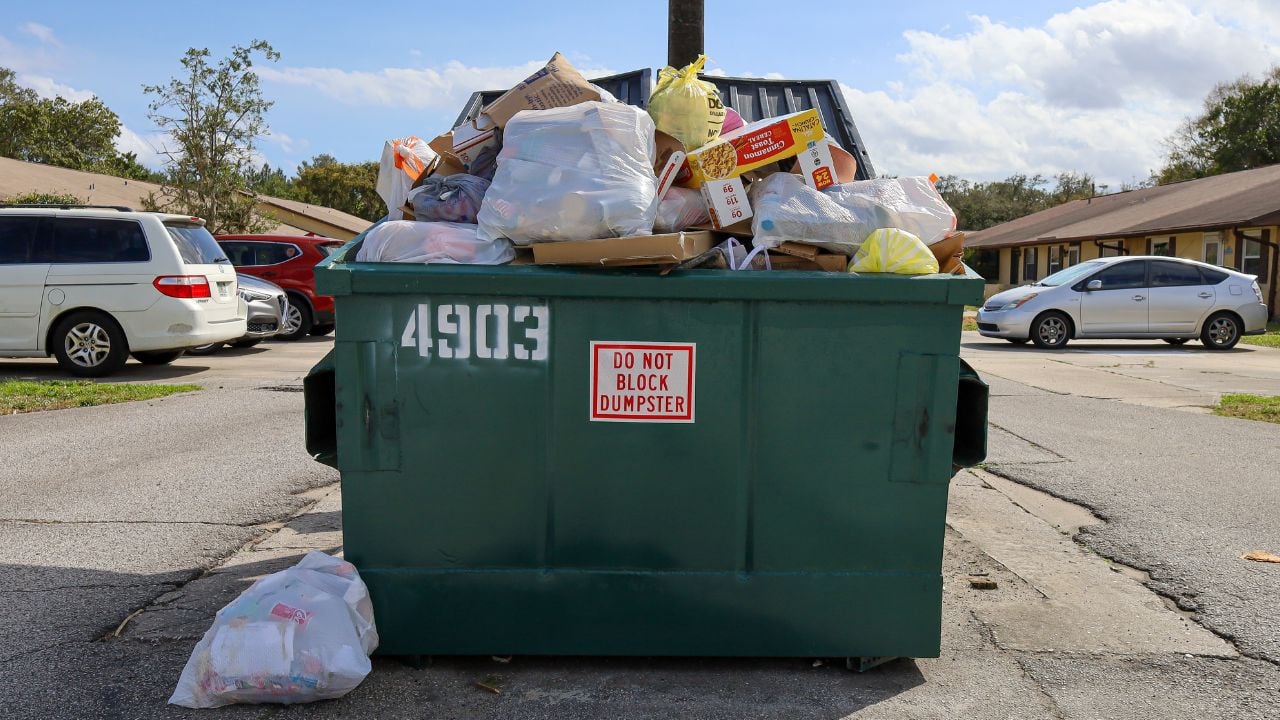
8 Texas Trash Violations That Turn Into a Bill Nobody Saw Coming

In Fort Worth, a camera mounted on a garbage truck helps decide whether you owe money.
No police officer required.
Cities, counties, and even homeowners associations across Texas now write bills for ordinary trash mistakes.
These are the Texas trash violations turning routine habits into costly bills.
Note: This is general information, not legal advice. Ordinances, fines, and enforcement vary by city and county and are subject to change.
1. Dumping Bagged Trash Where It Doesn’t Belong
Texas makes it a crime to dump household trash anywhere that isn’t an approved solid waste site.
A vacant lot, a roadside ditch, or a neighbor’s fence line all count.
So does a business’s dumpster you don’t have permission to use.
Texas draws no exception for size or intent.
Texas law treats a business’s bin the same as an open field, so tossing a bag of household garbage into it because your own cart is full is still a criminal offense.
Small amounts still count as a Class C misdemeanor, fined up to $500.
Cross 1,000 pounds or fill a closed barrel.
The charge becomes a state jail felony with fines that can top $10,000.
How Little Trash It Takes to Cross Into a Higher Tier
Texas measures illegal dumping by weight or volume, whichever hits the threshold first.
Five pounds is barely a full kitchen trash bag.
Set out two full bags on a vacant lot instead of one.
The weight alone can push the charge from a $500 Class C misdemeanor into a Class B misdemeanor, fined up to $2,000 with up to 180 days in jail.
2. Burning Trash During an Active Burn Ban
Texas counties without curbside pickup let residents burn household trash outdoors in some cases.
That permission disappears the moment a county judge issues a burn ban.
Burn bans come and go with the drought, sometimes county by county.
A lot of Texans lose track of which bans are active.
Ignorance isn’t a defense.
Knowingly burning anything, trash included, while a burn ban is in effect is a Class C misdemeanor under state law.
Courts routinely add surcharges on top of the base fine.
A burn pile that spreads to a neighbor’s fence line or a dry pasture turns a citation into a far bigger legal problem than the trash ever was.
3. Hauling an Uncovered Load to the Dump
Texas requires every truck bed hauling loose material, trash and refuse included, to be covered and secured before it hits a public road.
A pickup loaded with broken drywall, yard bags, or a mattress headed to the transfer station qualifies.
Skip the tarp and the load doesn’t need to spill for a trooper to write the ticket.
State transportation law fines an uncovered load $25 to $500.
It applies whether the trash is headed to the landfill, the recycling center, or a relative’s curb.
A cheap tarp fixes it.
One bungee cord across the tailgate settles the whole question.
4. Leaving Bulk Trash Out Before or After Pickup
Houston’s solid waste code lets crews cite a resident for trash placed at the curb before its scheduled collection day, not only for a pile the city never comes to pick up.
In 2025, residents on Houston’s north side started finding green citation slips warning them to clear the pile within 48 hours or face a fine.
That fine can run anywhere from $50 to $2,000.
Timing is everything.
Some of those residents said the city’s own heavy trash collection was running two weeks behind.
They were still cited for a pile they never had a legal way to remove in time.
The clock starts the moment the pile hits the curb, not the moment the truck finally shows up.
5. Overloading Your Cart or Leaving Loose Bags Beside It
Fort Worth, like a growing number of Texas cities, now fines a cart whose lid won’t fully close.
It also fines every loose garbage bag set down next to that cart instead of inside it.
The overloaded cart runs $6.
Each loose bag adds $3.
The garbage truck’s camera and image-recognition system is the technology keeping score.
Nobody hands you a paper ticket.
The fee simply lands on the utility bill as part of the solid waste charges.
A resident who stacks three extra bags beside a full cart on a busy week owes $15 before they’ve noticed a thing.
Psst! How much do you know about Texas trash and litter history? Take our quiz and see if you can ace it.
Quiz
Texas Trash IQ
Answer these questions on Texas litter, landfills, and recycling. We bet you can’t get them all right. Prove us wrong?
What year did the famous “Don’t Mess with Texas” anti-litter campaign air its first TV commercial?
6. Setting Out Banned Electronics or Appliances With Bulk Trash
Dallas draws a hard line around what belongs in a curbside bulk trash pile. Old electronics and refrigerant appliances aren't on the approved list.
A television, computer, microwave, or a refrigerator still holding coolant left with the pile counts as an excluded item.
The city doesn't issue a warning first.
Dallas code compliance officers write a direct citation for the excluded item, separate from the per-cubic-yard fee that covers an oversized pile.
That citation carries a minimum fine of $261, issued the moment an officer spots the banned item at the curb.
Texas backs that rule statewide, too.
State law has barred dumping computer equipment and covered television equipment at a municipal landfill since 2015.
7. Leaving Cans or a Dumpster in Full View of the Street
Many Texas homeowners associations write their own trash rules straight into the deed.
A common rule bans a cart or a dumpster visible from the street outside of pickup day.
That's not just a strongly worded letter.
Texas Property Code lets a court award damages of up to $200 for every single day a deed-restricted violation goes uncorrected.
That adds up fast.
Leave a can at the curb through a slow appeal.
A $200 problem becomes a $2,000 problem within two weeks.
8. Flicking a Lit Cigarette or Match Out the Window
Texas prosecutes a flicked cigarette or match under the exact same litter law that covers the bagged trash in item one, Health and Safety Code §365.012, just a separate subsection written for anything still burning.
That subsection treats a lit cigarette or match differently from ordinary litter the moment it starts a fire.
Tossing lighted litter onto open land, a road right-of-way, or a railroad easement is its own defined offense under that law, separate from ordinary littering.
If it sparks a fire, the penalty jumps to a fine of up to $500, up to 30 days in jail, or both.
One spark changes everything.
That's on top of any wildfire damage a driver could owe.
The habit is easy to forget about on a long drive across dry ranchland.
It's exactly the kind of stretch where the law comes down hardest.
How Fast a Small Fine Compounds
Texas doesn't treat a second trash violation the same as the first.
Under the state's illegal dumping law, a repeat conviction automatically bumps the punishment up to the next category, so a second $500 offense can become a $2,000 offense without the amount of trash changing at all.
Municipal fines stack the same way.
Fort Worth's per-bag charge adds up bag by bag.
Houston's citations warn residents that an uncleared pile can draw a second, separate fine on top of the first.
Patterns cost more.
By a third illegal dumping conviction, Texas courts have to warn the defendant in writing that the vehicle used to haul the trash there can be seized and forfeited.
Who's Watching the Curb Now
Texas has handed a lot of this trash enforcement over to technology and to neighbors instead of patrol officers.
No patrol car is needed.
Fort Worth's garbage trucks already photograph noncompliant carts.
Other Texas cities are testing similar systems on their own routes.
State law adds a financial incentive on the human side, too.
A city or county may offer a $50 reward to anyone whose tip leads to a successful illegal dumping prosecution.
That single detail explains why so many Texas illegal dumping cases start with a tip from someone who lives right down the road.
8 Reasons People Are Leaving Texas in 2026

Texas added 391,243 new residents last year, more than any other state, but that net gain from other states has cooled fast.
Property tax bills and rising insurance costs top a list of reasons many longtime residents are now loading their own moving trucks.
8 Reasons People Are Leaving Texas in 2026
10 Small-Town Texas Diners Worth the Detour
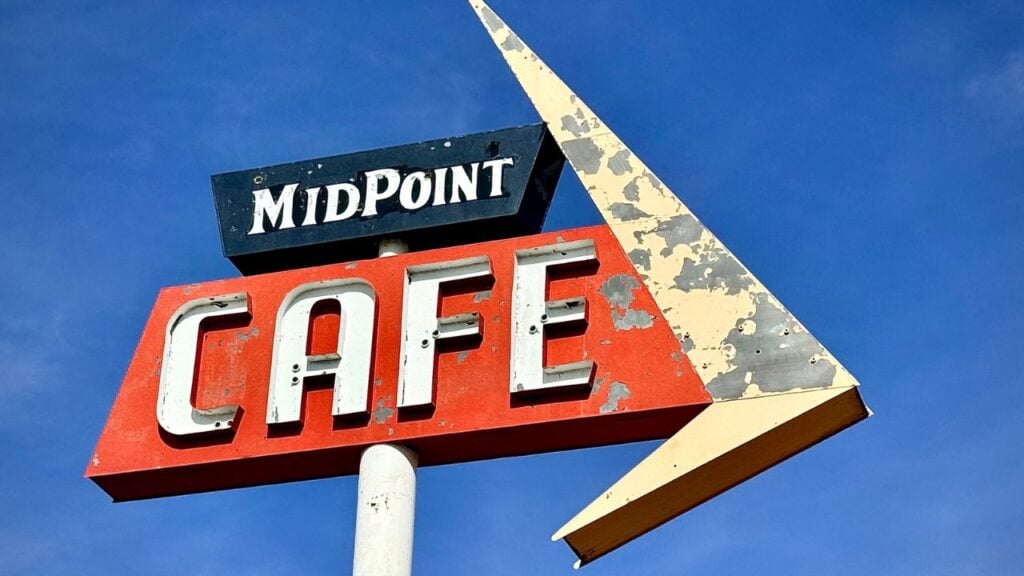
The best meal in Texas usually isn't waiting in Austin, Dallas, or Houston.
It's down a road few drivers ever take on purpose, at a counter that's been serving the same regulars since long before the highway bypassed it.
