
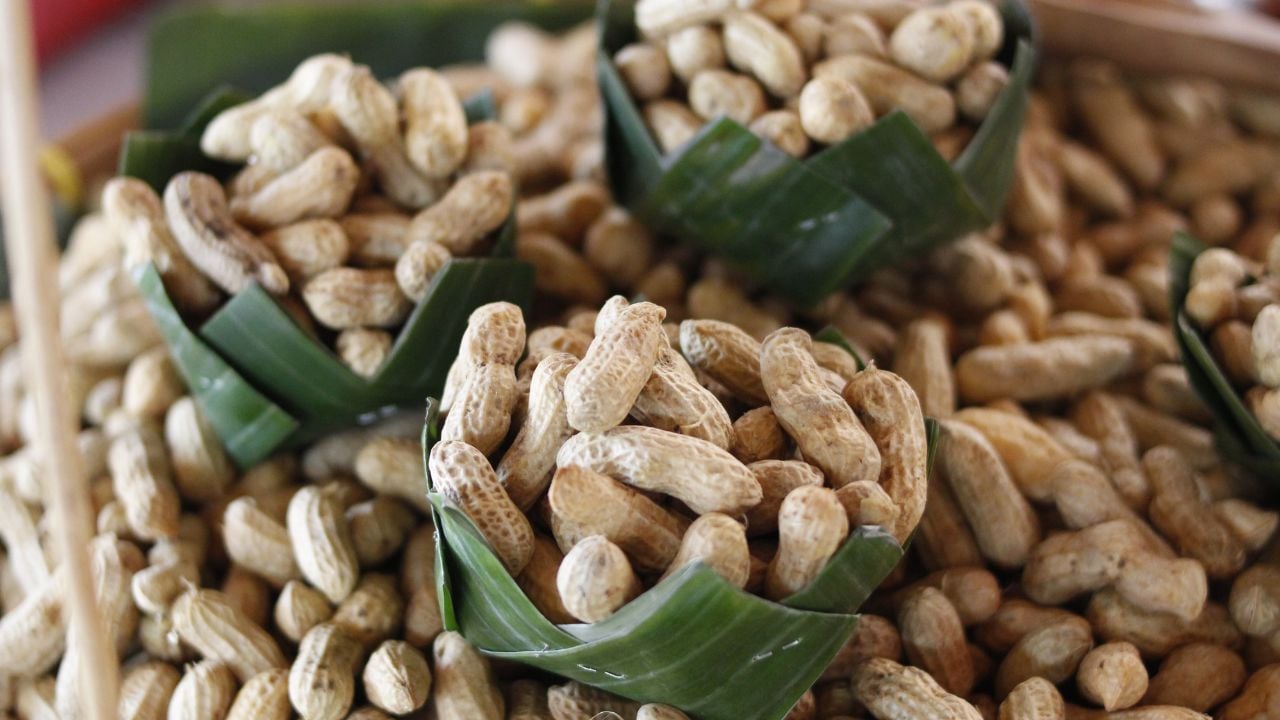
8 Boiled Peanut Rules South Carolinians Take More Seriously Than Visitors Expect

Only about a dozen of South Carolina’s peanut farms grow the raw, undried peanuts a boiled peanut stand needs.
Everybody else grows peanuts bound for roasting, peanut butter, or candy.
Needless to say, visitors driving past a plywood “boiled peanuts” sign in July have no idea how seriously South Carolinians take their boiled peanuts.
1. Green-Peanut Season Only
South Carolina’s boiled peanut season isn’t a suggestion.
It’s a hard biological window.
Raw, undried peanuts start coming out of the ground in late June and keep going through October, and about a dozen of South Carolina’s 522 peanut farms grow that undried crop at all.
Everyone else contracts their peanuts out for roasting, candy, and peanut butter.
That calendar has no exceptions.
South Carolinians treat that calendar as gospel.
Once the last of the fresh crop clears out in the fall, a regular stops expecting the roadside stands to reappear, and doesn’t confuse the shelf-stable can at the gas station with the genuine article.
A visitor who asks a South Carolinian for boiled peanuts in February usually just gets a slow, confused stare.
“Green” Peanuts Aren’t a Color
South Carolina’s “green” peanuts don’t get their name from the shell’s color at all.
The word describes a peanut that’s freshly dug and never dried, so it still carries its natural moisture straight out of the field.
A dried “raw” peanut, the kind sold bagged in a grocery store year-round, can technically be boiled too, but it needs an overnight soak in salted water first.
A true green peanut skips that step and cooks through in a fraction of the time.
2. Order by the Quart
South Carolina roadside stands don’t sell boiled peanuts by weight or by a loose handful.
They sell by the pint or the quart, scooped into a plastic grocery bag or a wax-coated cup.
Ask for “just a small bag” or “a couple handfuls” instead, and the person running the pot has to translate your order into a size that exists on their table, which slows down the whole line behind you.
A regular walks up already knowing which size they want.
There’s no hesitation at all.
3. Squeeze the Shell Before You Buy
South Carolina’s boiled peanuts announce their doneness through the shell, not through a crunch.
A properly boiled peanut’s shell gives easily under light pressure, and any shell that still springs back means the batch needs more time in the pot.
That squeeze rarely lies.
A South Carolinian gives an unfamiliar stand’s peanuts that test before paying, and simply waits for the next batch if the shell doesn’t give.
A first-time visitor, used to a roasted peanut’s snap, often assumes a soft peanut has gone bad and tosses out a perfectly good batch.
4. Suck the Brine First
South Carolinians don’t peel a boiled peanut open the way they’d peel a roasted peanut.
They bring the whole wet shell to their mouth first and draw out the salty liquid trapped inside before they ever crack it.
That brine’s half the point.
A visitor who peels the shell open with their fingers first, the way they’d handle a dry peanut, loses much of that liquid down their hand.
Only after the brine’s gone does a South Carolinian work the shell apart with their thumbs or their back teeth and slide the softened peanut loose.
5. Nobody Complains About Salt
South Carolina’s boiled peanut regulars accept whatever a pot delivers that day, and they never send a bag back over the salt level.
That’s because the peanuts keep absorbing salt from the brine long after the pot comes off the heat, so a scoop pulled at nine in the morning can taste noticeably milder than a scoop from that same pot at four in the afternoon.
The batch just keeps changing.
Clemson peanut specialist Dan Anco tastes a batch throughout the boil for exactly this reason: Peanuts that are salty enough while they’re still hot only get saltier if they sit in the brine, so timing the drain matters more than the recipe.
A visitor who ends up with an oversalted batch late in the afternoon sometimes assumes the vendor made a mistake instead of just showing up at the wrong hour.
6. Ask Before You Grab
South Carolina’s boiled peanut stands frequently sell more than one seasoning level side by side, a plain salted batch next to a Cajun-style batch loaded with hot sauce, crab boil seasoning, and sometimes habanero.
The labeling isn’t always obvious enough to tell them apart at a glance.
Skip that question as a visitor, and you can end up with a mouthful of heat you never agreed to.
That question saves regret.
A regular asks which cooler is which before reaching in because grabbing blind from the wrong pot turns a snack into a genuine problem.
7. Bring Small Bills
South Carolina’s smallest boiled peanut operations, little more than a card table and a cooler on the shoulder of the road, rarely bother with a card reader.
Even the stands the state tracks make a point of listing exactly what they’ll take.
Levers Peanuts Stand in Newberry County, one of the roadside markets certified by the South Carolina Department of Agriculture, lists cash and debit or credit cards as its accepted payment methods on its own listing, rather than leaving customers to assume.
South Carolinians make no assumptions.
That’s why many keep a few small bills in the console, while a visitor who pulls up expecting to tap a phone at every stand can drive off with an empty cup.
8. Look for “Farmer-Owned” on the Sign
South Carolina’s boiled peanut stands aren’t all run by the people who grew the peanuts, and locals know the difference matters.
Myrtle Beach-area grower Johnny Graham, who has grown, boiled, and sold peanuts at J&J Farms for more than two decades, treats that word as his own shorthand for quality: a stand whose sign says farmer-owned is one he trusts to have good peanuts.
That word tells everything.
A visitor who’s never heard the phrase treats every roadside sign the same, whether it’s a grower’s own crop or peanuts trucked in and resold.
A South Carolinian scans for that word before ever pulling over.
Psst! How much do you know about boiled peanuts beyond South Carolina’s roadside stands? Take our quiz and see how many you can get right.
Quiz
Boiled Peanut Trivia
Answer these questions on boiled peanut history and trivia beyond the roadside stand. We bet you can’t get them all right. Prove us wrong?
Southern food writers gave boiled peanuts a fancy nickname, putting them in the same class as a pricey delicacy. What’s the nickname?
Long Before It Was a Snack
South Carolina's boiled peanut habit didn't start at a roadside stand at all.
The practice of boiling peanuts likely traveled to South Carolina with enslaved people from West Africa, who already boiled a related groundnut back home, and the custom took root on plantations once peanuts became a common garden crop.
Confederate soldiers leaned on that same food decades later, boiling and roasting peanuts over campfires when bread and meat ran out toward the end of the Civil War.
Simple survival food, at first.
South Carolina eventually made that history official.
On May 1, 2006, Gov. Mark Sanford signed a bill naming boiled peanuts the state's one and only official snack food, ahead of any other Southern favorite that tried to make the case.
The law even carries a caveat: It states plainly that no school district has to serve peanuts to students, especially those with allergies.
Pimento cheese and boiled okra both have loyal followings, but neither one has a law with its name on it.
8 Zaxby's Habits That Instantly Mark a South Carolina Regular
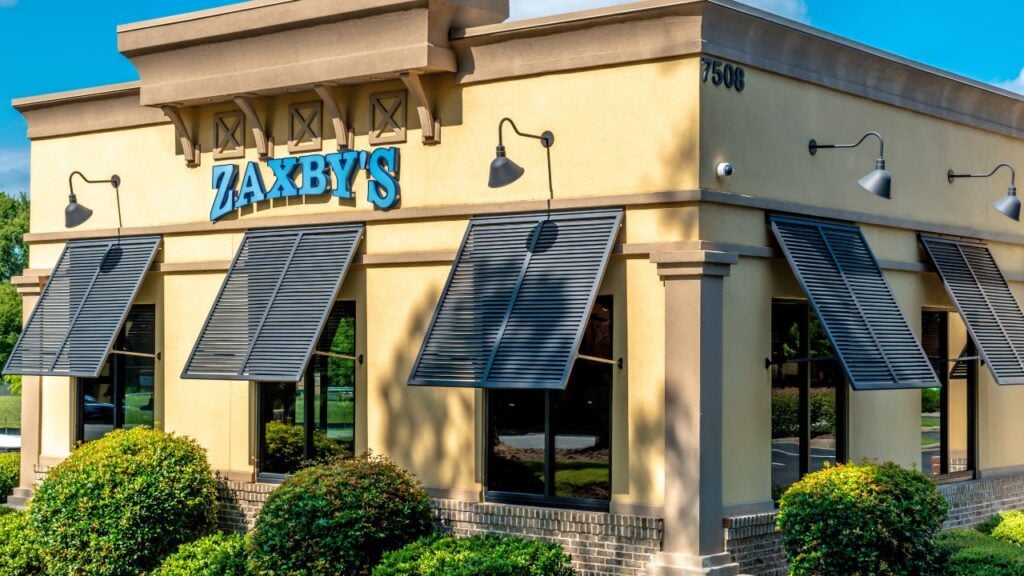
The Zaxby's near Clemson's Memorial Stadium starts filling up nearly an hour before kickoff, and regulars already know their order before they reach the intercom.
Everyone else is still reading the menu board.
8 Zaxby's Habits That Instantly Mark a South Carolina Regular
9 South Carolina Small Towns Worth the Detour

The best hour in South Carolina rarely happens where the tour buses park.
It happens down a two-lane road in a town of a few hundred people.
These are the South Carolina towns worth turning off the highway for.
