

8 Things Upstate New Yorkers Are Tired of Explaining to New York City

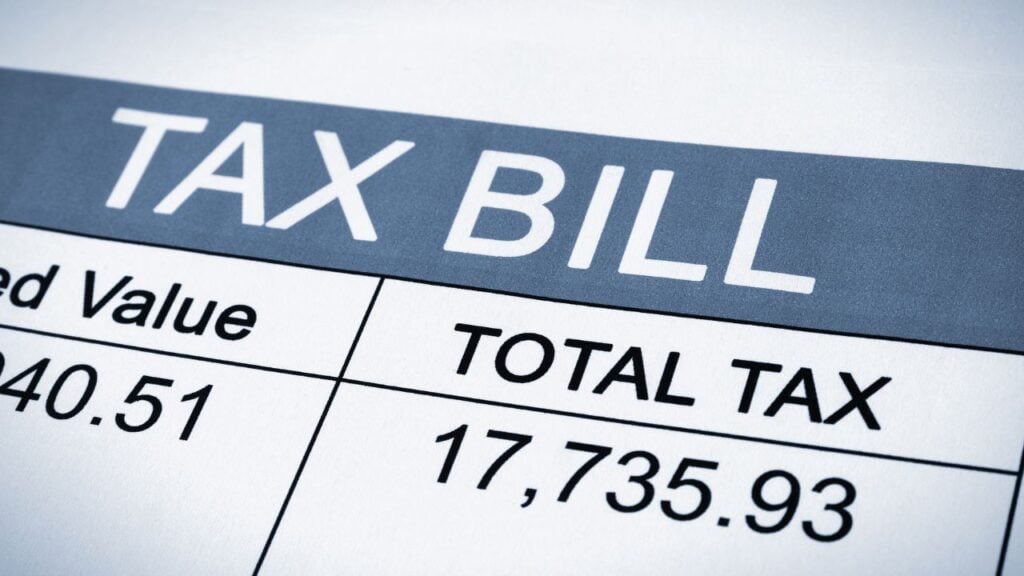
Some of the highest property tax rates in the entire country sit in upstate New York, on some of the state’s cheapest homes.
None of those counties touch New York City.
These are the things Upstate New Yorkers are tired of explaining to New York City residents.
1. Where Upstate Starts
New York State draws an official line between upstate and downstate, even though nothing on the ground marks it.
There’s no single agreed version, but state agencies commonly draw it at ten counties as downstate: The five boroughs of New York City, plus Nassau, Suffolk, Westchester, Rockland, and Putnam.
Everything else is upstate by that same definition, Buffalo and the Canadian border included.
Fifty-two counties, one label.
New Yorkers from the city still call Westchester or the Hudson Valley “upstate” on a regular basis, and an actual upstate resident stopped bothering to correct it a long time ago.
How Big “Upstate” Is
New York State covers about 54,600 square miles from the Adirondacks down to Coney Island.
Only ten counties make up the downstate side of that map.
The other 52 counties, everything the state calls upstate, cover more ground than the entire state of Pennsylvania.
2. Closer to Canada Than NYC
Upstate New York runs a lot closer to other countries and other states than many downstate residents picture.
Buffalo sits about 100 highway miles from Toronto, Ontario, and serves as the main U.S. gateway into the Toronto-Hamilton region across the Peace Bridge.
Cleveland sits under 200 miles away.
New York City sits nearly 400.
A quick day trip.
Tell someone from the city you’re from Buffalo, and they picture a longer subway ride, not a shorter drive to Canada.
3. New York’s Only Subway
A downstate visitor to Buffalo, upstate New York’s largest city, has asked a local more than once for the nearest subway stop.
Syracuse’s Centro and Rochester’s Regional Transit Service (RTS) run bus-only systems, and Buffalo’s Niagara Frontier Transportation Authority (NFTA) runs buses too, plus the state’s only light-rail line outside New York City.
That light-rail line runs just 6.4 miles with 14 stations, and the local has to explain that’s the whole system.
Compare that to the New York City subway’s 472 stations.
Fourteen stations versus 472.
Upstate New Yorkers own a car because they have to, not because they haven’t discovered the train yet.
4. Snow Means Something Else
A storm that leaves New York City with rain can leave upstate New York snowed under overnight.
Syracuse averages about 128 inches of snow a year, more than any other U.S. city with a population of 75,000 or more.
Buffalo and Rochester rank close behind it.
Lake-effect snow off Lake Erie and Lake Ontario builds storms downstate simply doesn’t see, dumping a foot or more in a single afternoon while the coast just sits under rain.
More than a foot, overnight.
A New York City coworker asking why you didn’t just take a later train isn’t being difficult.
They don’t know what a lake-effect band looks like on a radar screen.
5. Albany Runs the State
Albany, not New York City, has run New York since 1797, when the state legislature named it the permanent capital.
The governor’s office, the state legislature, and every state agency upstate residents deal with sit in Albany, 143 miles north of Manhattan.
One address handles it all.
Many people from the city assume state government runs out of Manhattan somewhere, and an upstate resident has spent a lifetime explaining that the Department of Motor Vehicles (DMV) paperwork, the budget fights, and the governor’s desk all sit that same 143 miles from Times Square.
6. Property Taxes Run Backwards
Upstate New York flips the cost-of-living math that New York City residents grow up with.
Monroe County, home to Rochester, carries an average effective tax rate of 2.36% on a median home worth $244,700.
Brooklyn’s Kings County carries just 0.73%, on a median home worth $912,500.
Binghamton’s upstate metro area posted the highest effective property tax rate of any metro area in the entire country in 2025, at 2.27%, according to real estate data firm ATTOM.
Cheaper house, bigger bill.
A downstate coworker assumes a cheaper upstate house means a cheaper tax bill too, and an upstate resident has to correct the math out loud: Monroe County’s rate runs more than triple what Kings County charges.
7. Wings Started in Buffalo
Upstate New York, not New York City, invented the two dishes many people mean by New York food, outside a deli conversation.
Buffalo’s Anchor Bar first served Buffalo wings in 1964, tossed in hot sauce as a late-night order.
Rochester’s Nick Tahou Hots built the garbage plate the same way, piling meat, home fries, and beans onto one plate back in 1918.
No Manhattan kitchen.
Neither dish came out of the five boroughs.
An upstate New Yorker ordering wings in a downstate bar has watched a bartender act surprised that the dish has an actual hometown, and that hometown isn’t the five boroughs.
8. Downstate Misjudges This Park
Upstate New York holds a wilderness many downstate residents have never fully pictured.
The Adirondack Park spans about six million acres, more than Yellowstone, Glacier, Grand Canyon, and Everglades national parks combined.
Nearly half of that land is constitutionally protected as “forever wild,” a clause New York voters wrote into the state constitution in 1894.
Not a weekend cabin.
No legislature can sell off a single acre of it.
A downstate visitor who mistakes the Adirondacks for a big campground hears the correction fast: Six million acres, constitutionally protected, forever.
Psst! How much do you know about the divide between upstate and downstate New York? Take our quiz and see how many you can get right.
Quiz
Upstate vs. Downstate Trivia
Answer these questions on New York’s upstate-downstate divide. We bet you can’t get them all right. Prove us wrong?
The U.S. Supreme Court once ruled that a big share of a famous New York landmark belongs to New Jersey instead. Which landmark?
The Canal Behind the City's Fortune
Upstate New York built the very thing that made New York City rich, long before anyone drew a downstate line at all.
The Erie Canal opened in 1825, stretching 363 miles from Lake Erie at Buffalo to the Hudson River at Albany.
Shipping a ton of freight from New York City to Buffalo used to cost around $90.
The canal cut that to $4 a ton.
More than 20 times cheaper.
Grain, lumber, and goods from the Great Lakes suddenly had a cheap route straight to Manhattan's harbor, and merchants downstate noticed immediately.
New York City became the country's busiest port within 15 years of the canal's opening, moving more cargo than Boston, Baltimore, and New Orleans put together, according to the Canal Corporation.
Downstate merchants collected the profits in Manhattan's counting houses.
Upstate laborers had already spent eight years digging the 363-mile ditch by hand and mule to get them there.
10 Words New Yorkers Use That Confuse Everyone Else

New York's vocabulary changes at county lines almost as fast as its accents do.
Someone from Long Island stands "on line" while someone from Buffalo stands "in line," and both think the other person is wrong.
10 Words New Yorkers Use That Confuse Everyone Else
8 Reasons People Are Leaving New York in 2026
More than 400,000 people left New York for another state in a single year, upstate and downstate alike.
Taxes lead the list, but they're far from the only reason packing trucks keep pulling out of driveways from Buffalo to the Bronx.
