
8 Things Georgia Grandmothers Keep in Their Kitchens That Never Seem to Expire

Think a jar in the back of your Georgia grandmother’s pantry has to be trash by now?
Not necessarily.
She might still be working through a jug of sorghum syrup from last year’s Blairsville Sorghum Festival. The syrup’s sugar content means it’d be hard-pressed to spoil.
These are the things a Georgia grandmother’s kitchen holds onto no matter how much time passes.
1. Sea Island Red Peas
Sea Island red peas are a small, ruby-colored heirloom pea grown along coastal Georgia.
Sapelo Island’s Gullah-Geechee community has kept the crop alive for generations.
Many Georgia grandmothers along the coast still keep a bag of it on hand.
Smithsonian magazine has counted it among the country’s rarest foods, since so few farms still grow it.
A bag of the dried peas doesn’t need a freezer or a refrigerator to stay edible.
Dry storage is enough.
Utah State University Extension found that dried beans and peas sealed away from light and oxygen can last ten years or longer.
A Brigham Young University taste test even found beans stored for thirty years still won over more than 80 percent of tasters.
The same bag can go from one New Year’s Day pot of peas and rice to the next without losing a step.
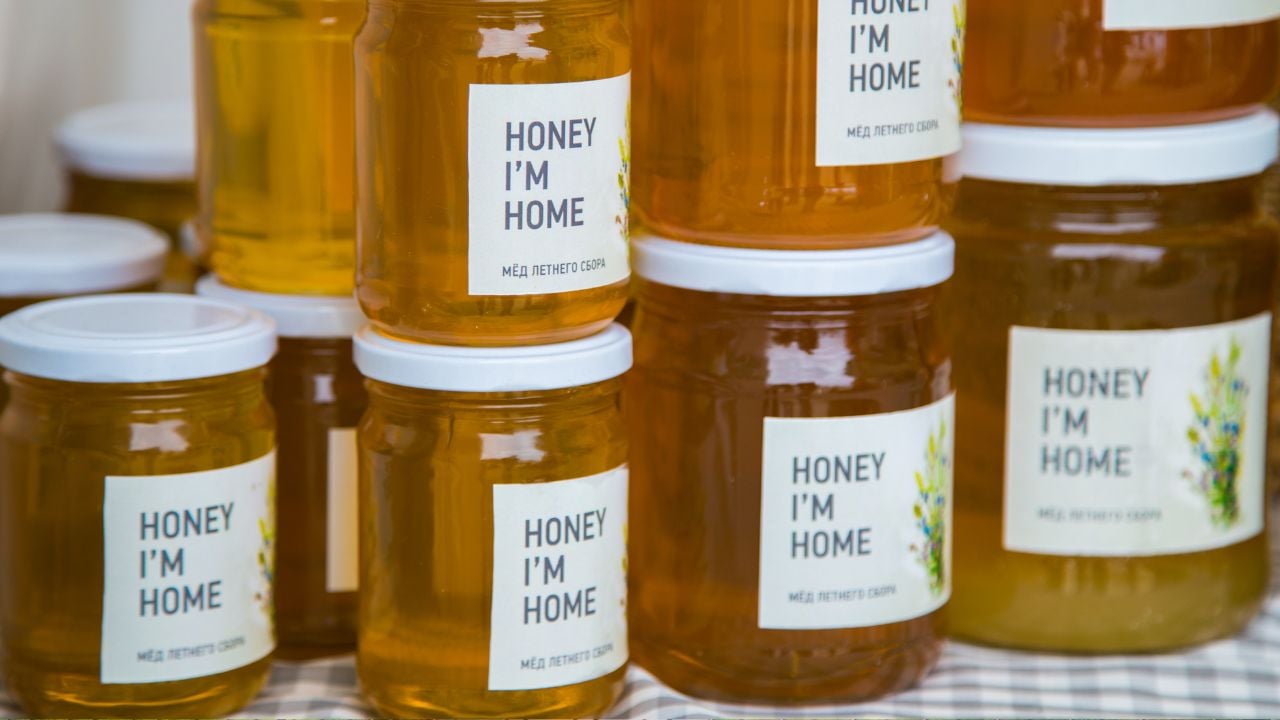
2. Sourwood Honey
Sourwood honey comes from beekeepers working the Blue Ridge foothills near Clarkesville, Georgia, where the sourwood tree blooms for only two to three weeks each summer.
That narrow window makes it one of the most prized honeys in the country.
A Clarkesville beekeeper’s honey even won the World Honey Show’s top award in 2005.
None of that fame comes from a freshness date.
Properly sealed honey can sit on a shelf for decades, even centuries, according to the National Honey Board.
Centuries, not months.
The only change over time is texture.
Honey can turn cloudy and crystallize with age.
That’s not spoiling, just the sugars settling out of solution.
A few minutes in warm water fixes it right up.
3. Sorghum Syrup
North Georgia’s mountain counties have made sorghum syrup for generations.
A Georgia grandmother from that part of the state usually has a jug of it going at all times.
Union, Towns, Lumpkin, and White counties once ran two dozen mills between them.
Blairsville still throws an annual sorghum festival that’s run for more than 50 years.
The syrup itself is nearly impossible to spoil.
Its sugar content pulls moisture away from anything trying to grow in it, so an unopened jug sits fine in a cabinet for years.
It might crystallize with age.
That’s not spoiling, just sugar doing what sugar does.
4. Fig Preserves
Many Georgia grandmothers keep a fig tree in the yard.
Fig preserves are usually what becomes of everything the birds don’t get to first.
She cooks the whole figs down with sugar until they’re soft and syrupy, then seals them into jars before the next batch of figs even ripens.
A properly sealed jar of preserves stays safe long after the shelf label would suggest.
The jars from two summers ago are usually still on the shelf when this year’s batch goes up beside them.
Still good.
Nobody in the family remembers the last time a jar went to waste.
The Science Behind a Georgia Grandmother’s Sealed Jars
The University of Georgia runs the National Center for Home Food Preservation, the program that sets the safe processing times canners across the country still follow.
A sealed jar of preserves stays safe to eat as long as the seal holds and there’s no sign of mold, whatever the calendar on the shelf says.
The flavor and color are usually past their peak within the first year or two, even though the jar itself is still fine.
5. Coca-Cola
A Coca-Cola in a Georgia grandmother’s pantry carries a date stamped into the cap.
Federal law never requires it to be there.
The Food and Drug Administration doesn’t require expiration or freshness dates on most packaged food, soft drinks included.
Infant formula is the one federal exception.
No date required.
What’s stamped on the cap is a manufacturer’s own quality mark, not a safety cutoff.
An unopened bottle stays safe to drink well past it.
Coca-Cola’s own Atlanta pharmacy origin from 1886 is well-worn territory.
A Georgia grandmother with Atlanta roots still treats it like a birthright.
There’s often a case of bottles in her pantry that’s been there a while.
Nobody in her kitchen has ever checked.
6. Pure Vanilla Extract
A bottle of pure vanilla extract in a Georgia grandmother’s cabinet can outlast the recipe box sitting next to it.
Pure vanilla extract has to be at least 35 percent alcohol by federal standard.
Nothing grows in it.
Some of the aroma fades if a bottle sits open near a hot stove for years.
The vanilla itself never turns.
It’s often the same bottle, decade after decade.
7. Muscadine Jelly
Muscadine jelly fills a Georgia grandmother’s pantry shelf every August, made from grapes off a backyard vine or a small vineyard down the road.
Muscadines run as high as 25 Brix on the scale growers use to measure sweetness, well above most table grapes, according to Mississippi State University’s Extension Service.
That much natural sugar pulls moisture away from anything trying to grow inside a sealed jar.
The seal matters.
The calendar doesn’t.
Muscadines were also the first native grape species cultivated in North America, according to the University of Florida’s agricultural extension service.
Georgia’s warm, humid climate still suits them better than many other places.
A shelf holding muscadine jelly from three different summers isn’t unusual in a Georgia grandmother’s kitchen, each jar dated in marker on the lid so nobody argues about which jar’s oldest.
8. Vidalia Onion Relish
Vidalia onion relish turns a Georgia grandmother’s spring onion harvest into something that outlasts the season.
She puts up a fresh batch nearly every year, once the crop comes in.
The onions themselves can legally come from only one place, a 20-county region of southeast Georgia protected by state and federal law since 1986.
Onion relish made from a tested recipe and processed in a boiling-water canner is shelf-stable at room temperature, according to the University of Georgia’s National Center for Home Food Preservation.
Properly canned food stored in a cool, dry spot holds its best quality for at least a year, according to the Center’s own guidance.
The seal decides that, not the date on the label.
A Georgia grandmother rarely puts it to the test.
She restocks too soon.
A fresh jar usually goes up long before the last one is anywhere close to running out.
Psst! How much do you know about the South’s kitchen history? Take our quiz and see how many you can get right.
Quiz
Southern Kitchen History IQ
Answer these questions on Southern food and kitchen history. We bet you can’t get them all right. Prove us wrong?
Which Columbus, Georgia grocer created Royal Crown (RC) Cola in 1905 after refusing to keep paying full price for Coca-Cola syrup?
What Doesn't Last
Baking powder is the biggest exception in a Georgia grandmother's kitchen, the one shelf item that doesn't get to stick around indefinitely.
An opened can loses its lift within six to ten months.
Biscuits made with tired baking powder come out flat no matter how good the recipe is.
Every single time.
Ground spices fade the same way.
A jar of ground cinnamon or paprika holds its punch for about a year before it turns into little more than colored dust.
Whole spices last far longer than their ground counterparts, up to three years by the same reckoning, so a whole cinnamon stick or peppercorn outlasts the ground version by a wide margin.
11 Habits That Instantly Give Away a Lifelong Georgian

A lifelong Georgian can rattle off the day's pollen count before checking a single app, and won't think twice about it.
These are the habits that give a lifelong Georgian away before they say a word.
11 Habits That Instantly Give Away a Lifelong Georgian
6 Things Georgia Kids Did After Dark in the Summer of the 1980s
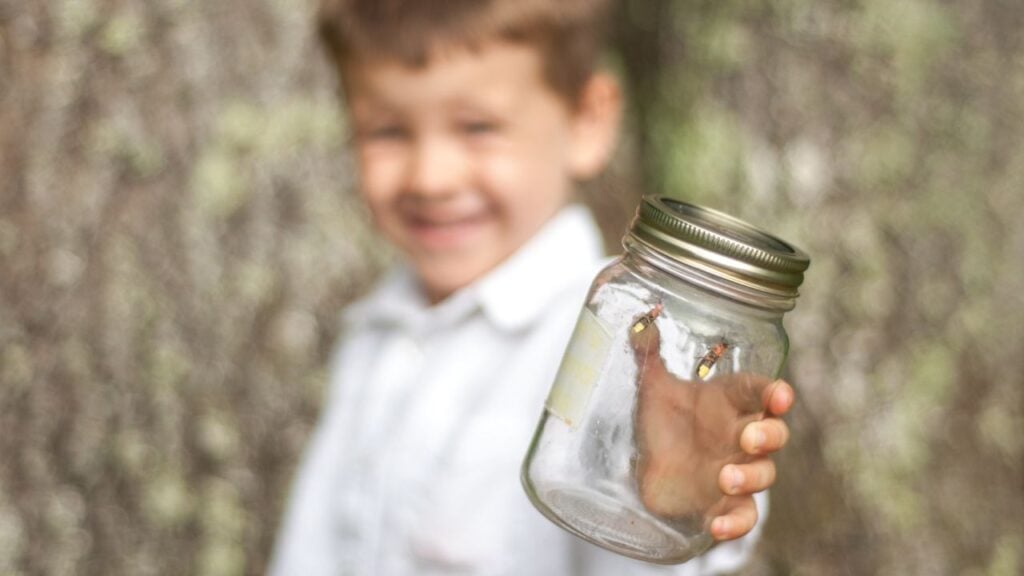
Georgia kids in 1985 ran the neighborhood after dark with no phone, no location dot, and nobody keeping track but the streetlights.
These are the after-dark habits Georgia kids grew up on that would raise eyebrows today.
6 Things Georgia Kids Did After Dark in the Summer of the 1980s
