
8 Things a Texas HOA Can Do to a Homeowner Who Falls Behind

Think a Texas homeowners association can sell your house out from under you with nothing but a certified letter?
Not anymore.
A Texas homeowners association (HOA) now needs a judge’s sign-off before it forecloses on a single home, but that limit doesn’t erase its leverage everywhere else.
These are the things a Texas HOA can still legally do to a homeowner who falls behind.
Note: This is general information, not legal advice. Association rules vary by community and are subject to change, so check your own governing documents.
1. Place a Lien on Your Home
Texas homeowners associations don’t have to sue you before a lien lands on your house.
The association’s own declaration, the document filed with the county when the subdivision went up, creates that lien automatically.
The moment a regular or special assessment goes unpaid, the lien attaches to the property.
No lawsuit is required.
Filing that lien in the county’s public records is a separate step.
Texas law requires two notices first, the second sent by certified mail.
The association can’t file the lien until at least 90 days after that second notice goes out.
Sell the house before you catch up, and the lien follows the deed straight to closing.
That’s the part many homeowners never see coming.
2. Charge Interest and Fees
Interest, late charges, and collection costs all land on a delinquent account automatically once a Texas HOA starts collections.
State law lets it happen with no lawsuit and no judge involved.
No exceptions.
The association adds every dollar straight onto the balance secured by that lien from the first item.
The exact rate comes from each community’s own declaration, so two Texas subdivisions off the same highway can charge homeowners very different amounts for falling behind by the same few months.
A homeowner three or four months behind can watch a manageable balance turn into a much larger balance before the association even threatens court.
3. Bill You for Attorney’s Fees
Once collection gets rolling, a Texas HOA can pass its own legal bills on to a delinquent homeowner.
State law requires the association to warn you first, in writing, that it will start charging attorney’s fees after a date named in that warning if the account isn’t caught up by then.
Skip past that date.
The association tacks its lawyer’s hours onto what you owe.
There’s a ceiling on this, at least in a nonjudicial foreclosure.
Texas law caps those attorney’s fees at whichever is greater: $2,500, or a third of the actual assessments and costs owed.
That cap disappears once the case heads to a courtroom, where a judge decides what’s reasonable instead.
4. Layer Fines on Top
A Texas HOA can add fines for breaking the community’s rules straight onto the same delinquent account already carrying a homeowner’s unpaid assessments.
They join the same lien.
Fines have to follow the same notice-and-cure process as everything else: A certified letter, a chance to fix a curable violation, and 30 days to request a hearing before the board.
Here’s the limit that matters most: A Texas HOA can never foreclose on a lien made up solely of fines, or the attorney’s fees tied only to those fines.
It can still sue over them, add them to the account, and report the situation to a credit bureau.
It just can’t take the house over fines alone.
5. Suspend Your Pool Access
A Texas HOA can cut off pool and clubhouse access the moment a homeowner falls behind.
State law names this as an enforcement option, right alongside fines and credit reporting.
The same notice rules apply, though.
An association has to mail a certified notice first, spell out what’s owed, and give the homeowner a chance to request a hearing before the board within 30 days.
Miss that window.
The pool badge or the gate code stops working until the balance clears, regardless of how many summers a family already paid to use it.
Psst! How much do you know about Texas HOA law? Flip through these myth-or-fact cards and see how many you get right.
6. Report You to Credit Bureaus
Texas HOAs can report a delinquent account straight to a credit reporting agency, the same as a credit card company or a lender would.
State law puts this on the same list as fines and amenity suspensions.
A certified notice has to go out first, with 30 days to request a board hearing before the report goes anywhere.
Texas law also requires the association to send a detailed report of what’s owed at least 30 business days ahead of time and offer the homeowner a payment plan before that report reaches a credit bureau.
Once that report lands, the consequences follow a homeowner well past the subdivision line, showing up in a car loan application, a refinance, or a new credit card long after the dues are paid off.
A lower score doesn’t clear fast.
7. Sue You for What’s Owed
Apart from the lien, a Texas HOA can sue a delinquent homeowner directly for the unpaid balance.
This is a personal debt case, the kind a hospital or a credit card company might file, aimed at a money judgment against the homeowner, not the house.
Here’s the twist many homeowners miss: State law exempts a suit to collect assessments from the certified-notice-and-hearing rule that covers fines, suspensions, and credit reporting.
No advance warning is required.
Win that judgment, and a Texas HOA can chase it down like any other creditor holding a court order, against a bank account or other property apart from the house.
8. Foreclose and Force a Sale
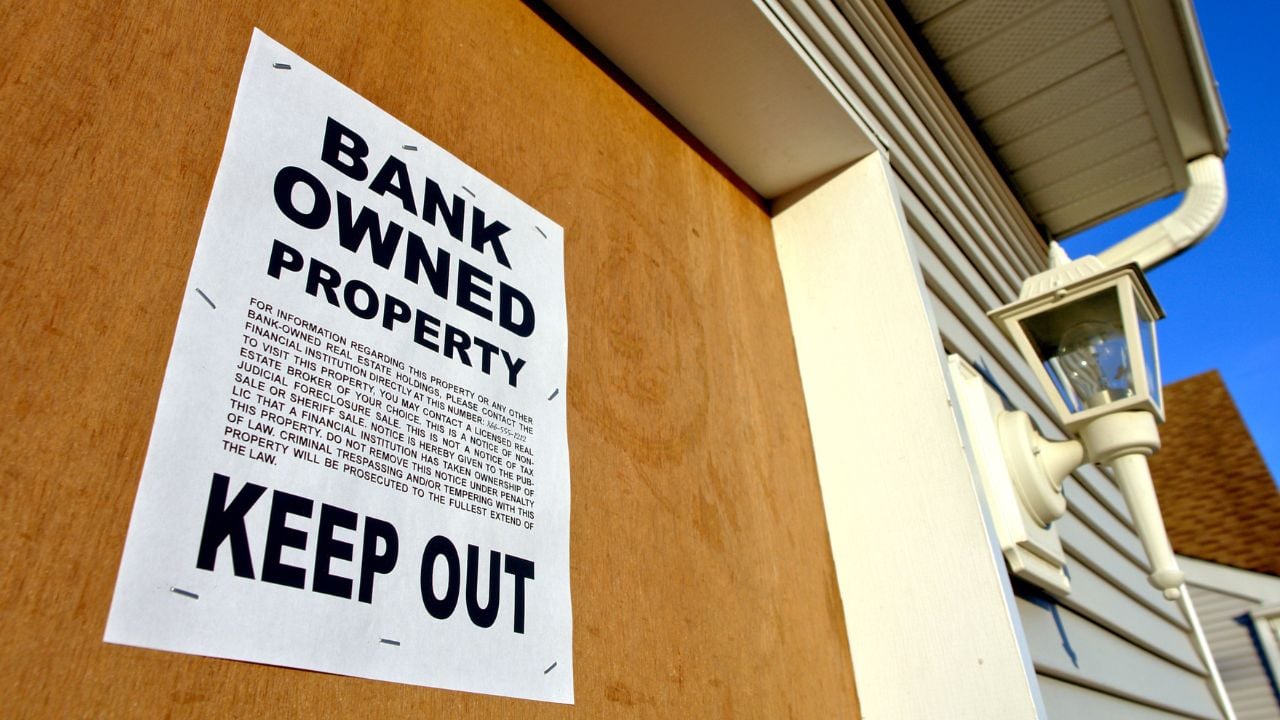
A Texas HOA can foreclose its lien and force the sale of a delinquent homeowner’s house, the power that makes every earlier item on this list look small by comparison.
The HOA isn’t alone anymore.
Since September 2011, Texas law has required an association to win a court order in an expedited foreclosure proceeding before it forecloses, unless the homeowner waives that step in writing.
A handful of older declarations still spell out a private power of sale.
Even those need the judge’s blessing first.
That judicial foreclosure requirement works differently for condominium associations, a caveat homeowners in a townhome or condo need to check separately.
What a Texas HOA Can’t Do
Falling behind on Texas HOA dues doesn’t strip a homeowner of every legal protection.
Some things stay off-limits.
An association can’t shut off electricity, water, or any other utility.
It can’t change the locks or bar a homeowner from stepping onto their own property.
Padlocking a house or blocking a driveway crosses into a separate legal violation the association would have to answer for on its own.
The Off-Ramp Texas Law Requires First
Texas law forces every Texas HOA through a required off-ramp before the courthouse ever enters the picture.
A mandatory pause.
Active-duty homeowners carry an extra layer of protection, too.
The Servicemembers Civil Relief Act gives special rights and relief in an HOA enforcement action, and Texas law requires every certified notice to say so in plain words.
A homeowner serving overseas who misses that notice buried in a stack of mail still keeps those federal protections waiting when they get home.
The Payment Plan Every Texas HOA Has to Offer
A Texas homeowners association can’t skip straight to court the moment a homeowner misses a payment.
Say a homeowner owes $1,200 in delinquent assessments in a community of more than 14 lots.
Texas law lets that same $1,200 spread across as many as 18 monthly payments instead of one lump sum.
Smaller associations of 14 lots or fewer don’t carry that same requirement.
Before the account can move to an outside collection agent at all, the homeowner is owed a certified notice spelling out the exact amount due and at least 45 days to catch up first.
9 Texas Dumpster Diving Laws That Could Turn a Free Find Into Legal Trouble

Texas has no single law banning dumpster diving, and that’s exactly what catches people off guard.
A handful of state statutes and city ordinances can turn a free find into legal trouble fast, and this rundown shows exactly where the line sits.
9 Texas Dumpster Diving Laws That Could Turn a Free Find Into Legal Trouble
10 Small-Town Texas Diners Worth the Detour

The best meal in Texas doesn’t always come from a big-city address.
These small-town counters and pie cases have kept regulars coming back for decades, long before anyone posted a review online.
